Summer flooring projects sound simple at first glance, but anyone who's dealt with subfloor surprises knows how quickly things can go sideways once the surface is removed. In Southern California, especially around early summer, concrete can act a bit differently than expected. The heat can trick people into thinking everything is dry and ready when it's not. That's where having a plan for concrete substrate testing makes a big difference. If the base isn't fully ready and balanced, new flooring might not last through the warmer season, let alone through fall traffic and winter shifts.
Having a plan isn't about making things more complex. It's about catching things before they slow you down or ruin what you've already installed. Whether you're working on a home renovation or refreshing a retail floor, checking the condition of the slab below can save a lot of trouble and money long term. Every good summer remodel should start with a few smart checks before materials hit the floor.
Why Testing Matters Before You Install Over Concrete
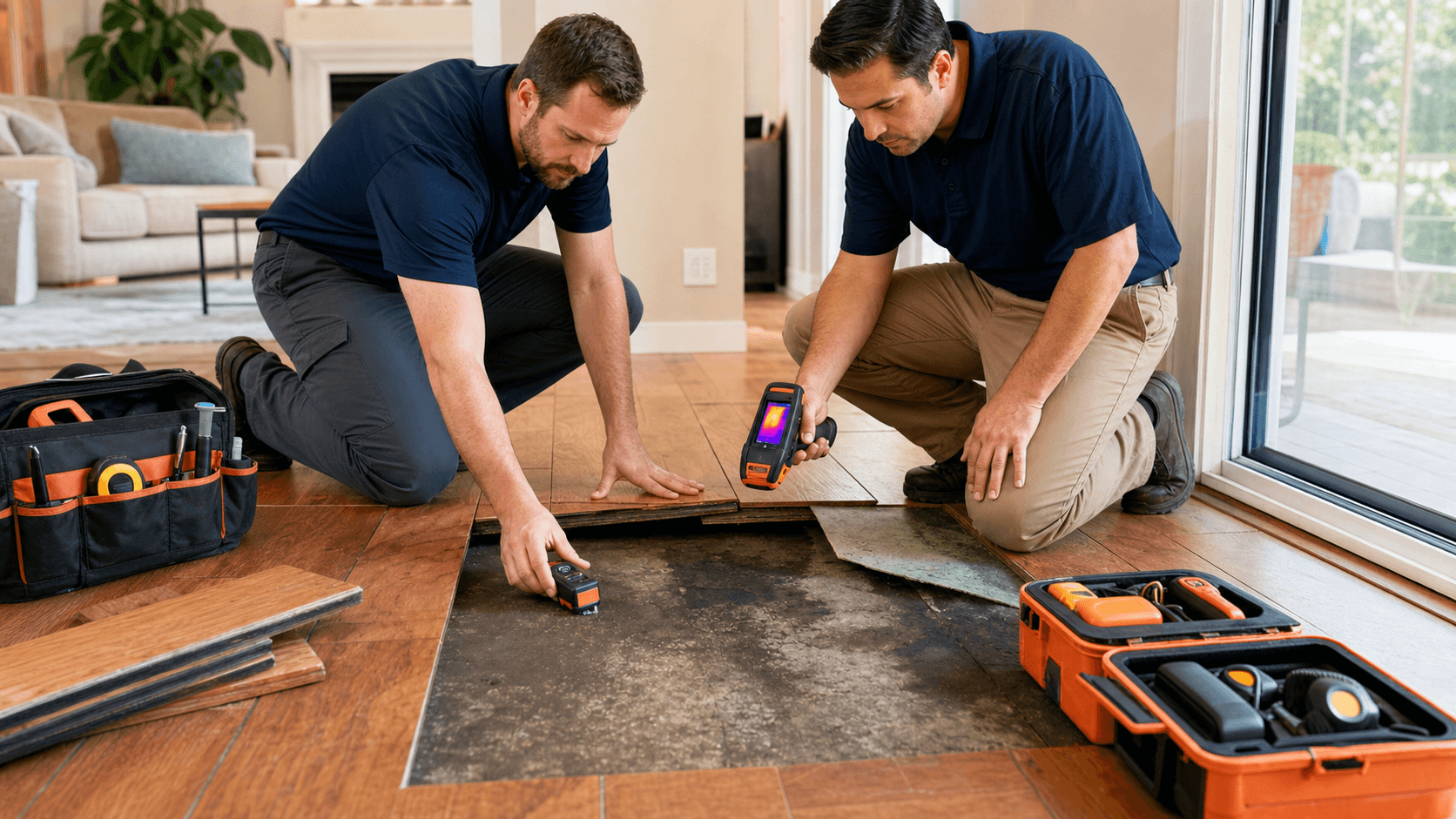
Concrete might look solid and dry on the outside, but underneath, it often holds more water than you can see. This becomes tricky when your goal is to lay adhesives, glue down planks, or snap in floating floors. Without proper testing, that hidden water can turn into future problems quickly.
- Heat affects how water moves through concrete, sometimes speeding up surface drying while deeper layers stay damp.
- Flooring adhesives won't bond well if there's any lingering dampness below the surface. The top might feel fine, but a few weeks later, you might notice planks lifting or curling.
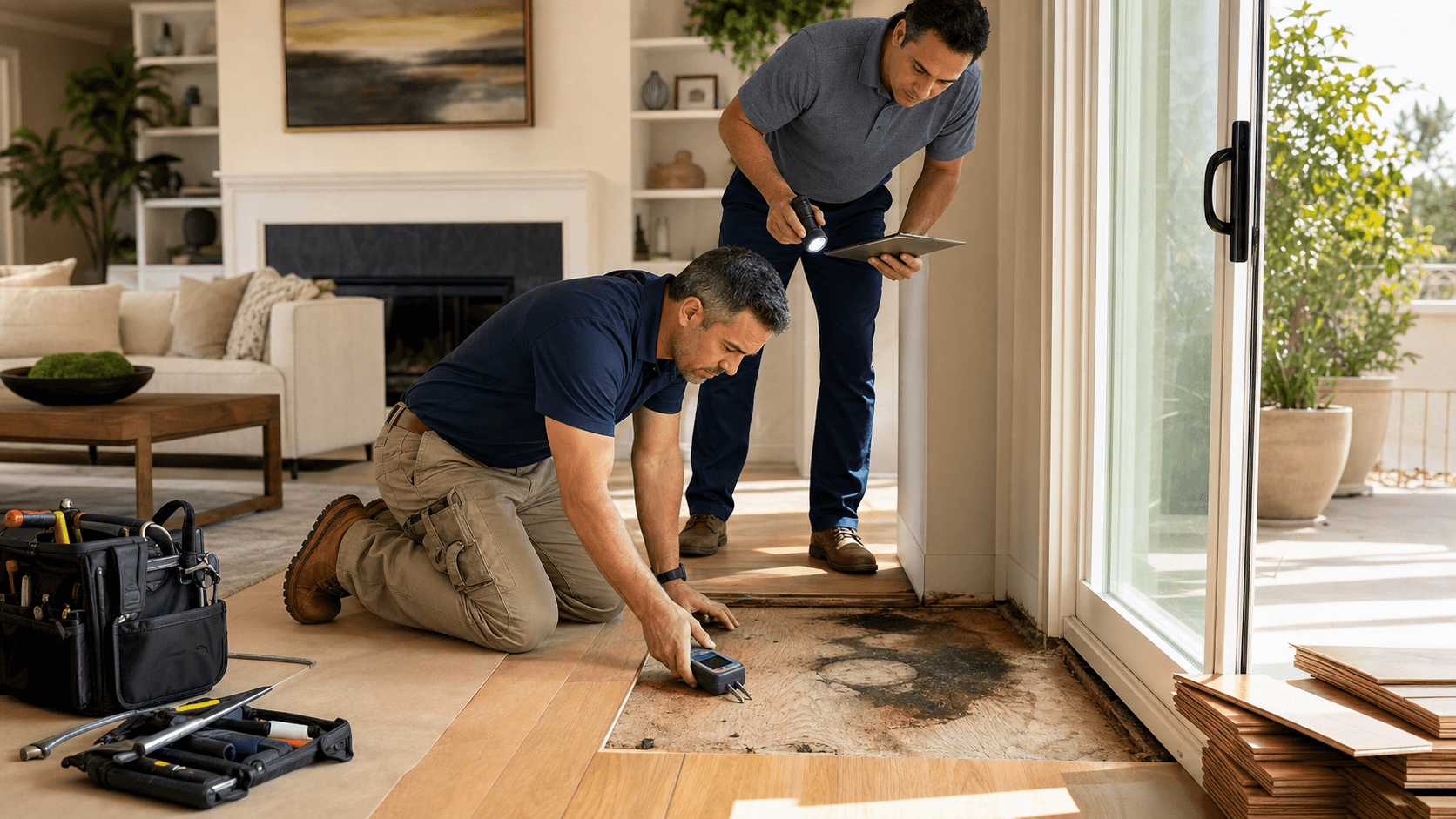
- Incorrect guesses about concrete conditions can lead to mold under the floor, especially if summer humidity adds to the problem after installation.
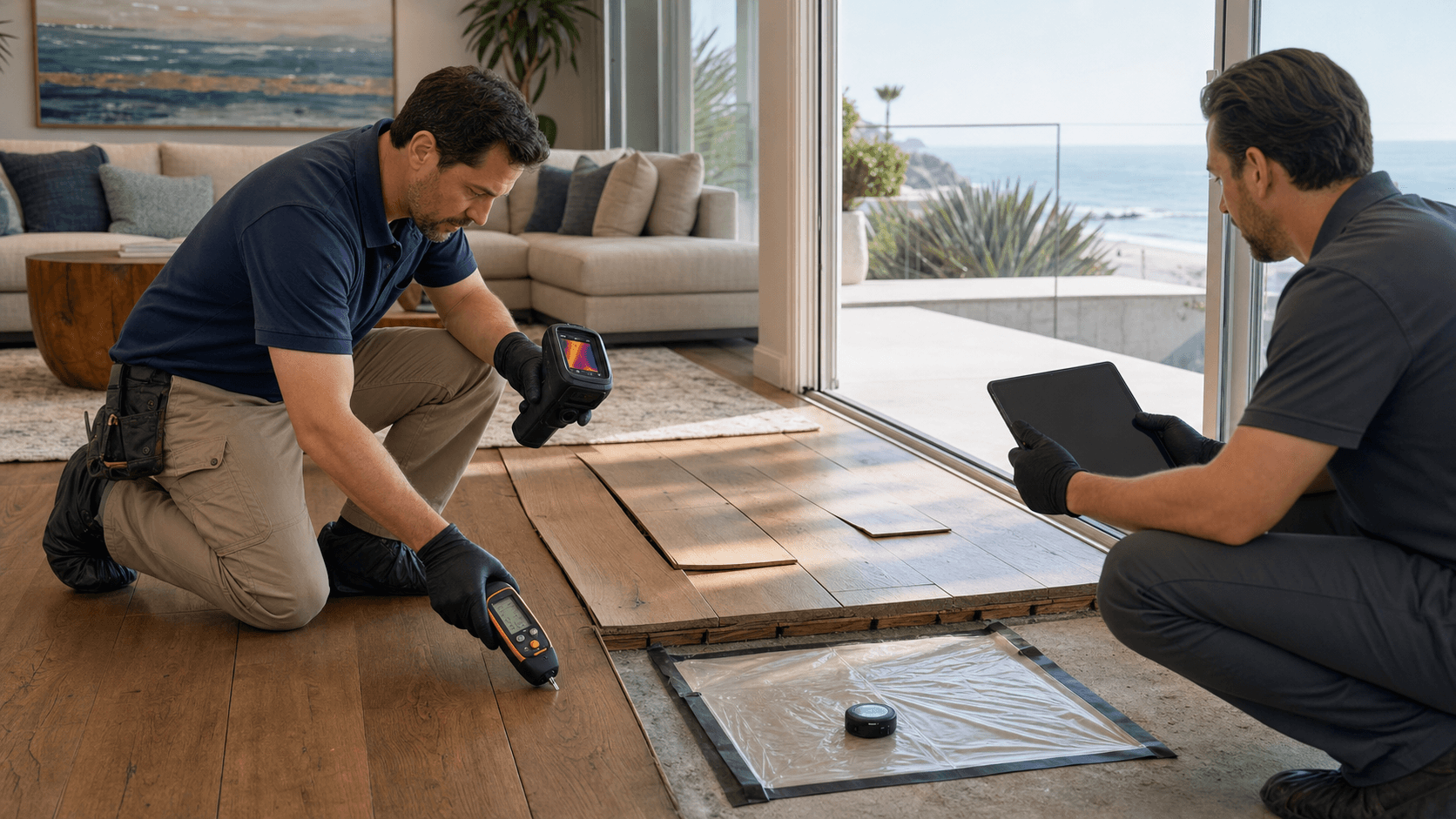
- At OC Flooring Inspection, we use moisture probes, surface meters, and written assessments to deliver clear, accurate results for Orange County projects.
- Documented findings support contractors, property managers, and attorneys for project planning and dispute resolution.
Checking early gives you a clear picture of what's happening under the surface, so your floors have a fair shot at lasting with no surprises. This means less wasted time finding problems after the fact and fewer callbacks for costly repairs.
What Causes Concrete to Act Up in the Summer
Southern California summers aren't just hot, they're also dry in some areas, damp in others, and unpredictable in how they affect different materials. Concrete likes to soak up early spring water, then bake it through June.
- Heat changes drying time on jobsites. Concrete may feel dry to the touch, but inside, it might be holding just enough water to weaken glue or bubble a coating later on.
- High temperatures expand materials, especially when the sun beams on slabs through windows. If the surface grew or settled unevenly during this heating period, it's no longer a flat, stable base.
- Where the slab sits matters too. Concrete near landscaping, on a slope, or next to older plumbing has other hidden variables, like seepage or ongoing dampness.
Not all of these problems are easy to spot. That's why testing during summer holds extra value, since what you see is not always what you get. A simple inspection could reveal that a project site needs a bit more time, a dehumidifier run, or a change in installation plan, which in the long run protects your investment.
What a Smart Testing Plan Looks Like
A good testing plan doesn't need to be complex, but it does need structure. When flooring is part of your summer remodel, the prep calendar matters just as much as the installation date.
- Start by placing testing early enough in the project schedule to leave room for drying or repairs, if needed.
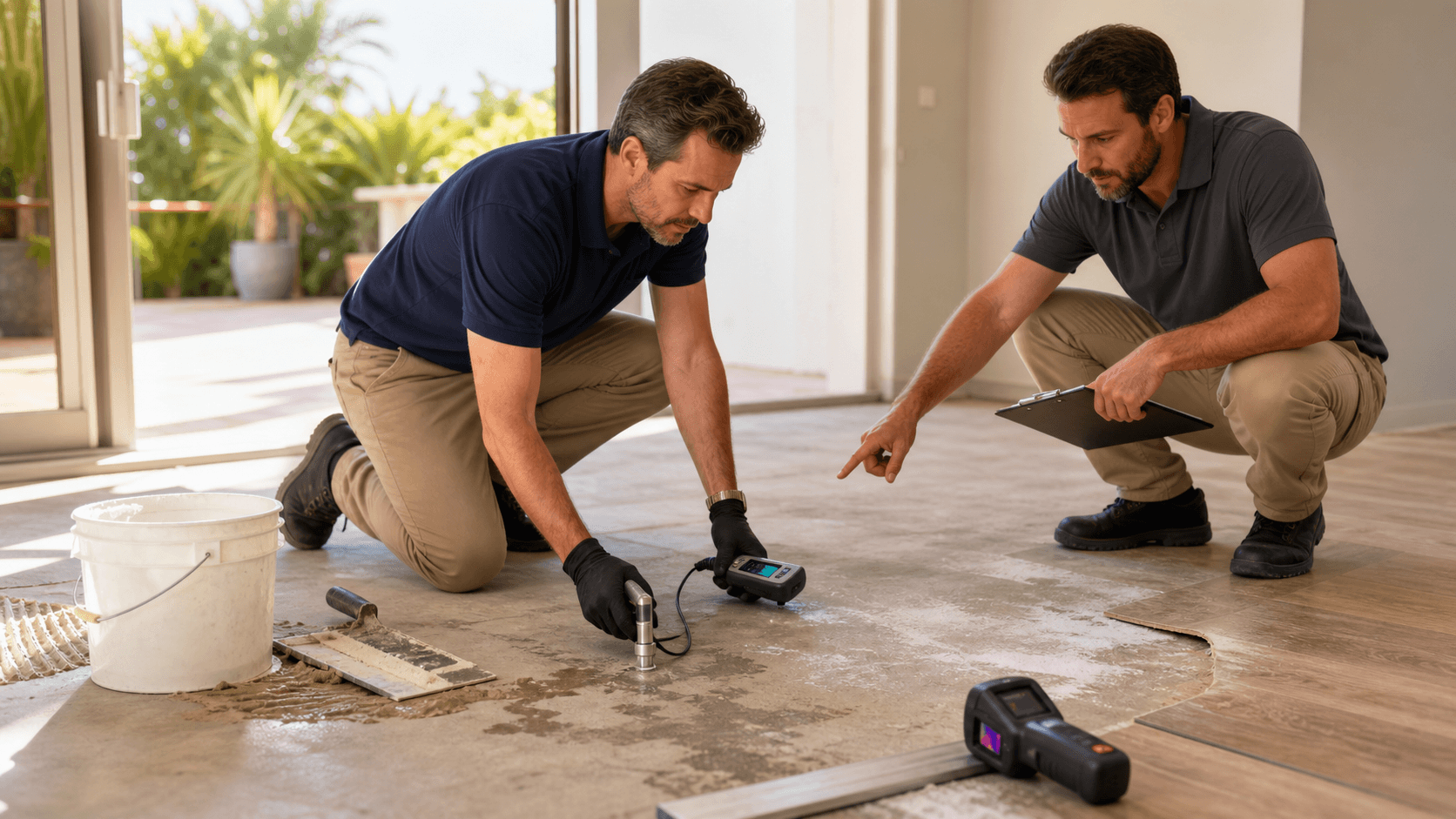
- Match your method to the space. Lightweight meters might work fine in some rooms, but other spaces might need tests like calcium chloride or humidity dome methods to be clear on what you're working with.
- Review recent changes around the slab. Has the nearby landscaping been redone? Did a pipe leak earlier in the year? Were there winter rains or long periods without airflow? These all play a part in what testing might show.
Without testing, you're trusting the slab to behave the way you hope it does. With testing, you get facts, and facts help you avoid mistakes. When these steps are lined up early, the process is smoother, and there is less risk of running into delays after flooring materials arrive.
Common Problems That Good Testing Catches Early
Early summer is usually the time when past issues from spring water show up and new ones begin forming under the surface. Testing gives you a chance to spot these before you build on top of them.
- Damp areas that feel cooler than others might hold trapped water. That water can cause mildew under vinyl or ruin hardwood finishes.
- Hidden cracks can run deeper than they look, which might mean slab movement or older foundation stress. Installing over this without noticing could cause bumps, stretching, or seams that don't close right.
- Surface temperature mismatch across the slab is one more sign to watch. That unevenness can mean part of the floor is trying to dry, while other sections stay inactive or stressed.
While no test can guarantee 100 percent perfection, catching these warning signs early lets you adjust plans or materials before expensive items are locked into place. Taking action before installation means your new flooring is less likely to have problems develop later, either during the hottest weeks or after the first rains of fall.
Safe Floors Start with Smart Substrates
Summer projects don't leave a huge margin for error. Heat speeds things up, drying, curing, and unfortunately, mistakes too. Testing the concrete before installing flooring is an extra step, but it's one that puts you in control rather than leaving you guessing.
Skipping concrete substrate testing tends to cost more than it saves. Whether it's loose tiles, buckled planks, or glue that just never quite held, it's usually problems from below that come back to bite later. If you want peace of mind and results that last, budgeting time for proper checks is a simple decision that can save days of trouble and help keep your flooring warranty intact.
By stacking the calendar with good decisions early, including testing, you give your summer renovation a better start. It means fewer delays, fewer callbacks, and better flooring that stands up through August heat and whatever the next season brings. Those extra hours spent testing and verifying can help prevent ruined materials and unhappy clients, making the whole process easier for everyone involved.
At OC Flooring Inspection, we know how fast a summer remodel in Orange County can move and how that pace can sometimes lead to details being skipped. Making sure your slab is ready below your floors helps stop delays and protects your investment for years. One important step is proper concrete substrate testing, especially when summer temperatures might hide issues. Planning early with smart testing gives every layer above a stronger foundation. Reach out to us today to help guarantee a smooth project with no surprises.