Summer remodeling season is just around the corner. In Orange County, this is when renovation projects start picking up, especially once school lets out and the weather stays dry. It's a great time of year to refresh your space, and new flooring is often high on the list. But before any planks, tile, or carpet go in, it's smart to make sure the base is ready, particularly if you're working over concrete.
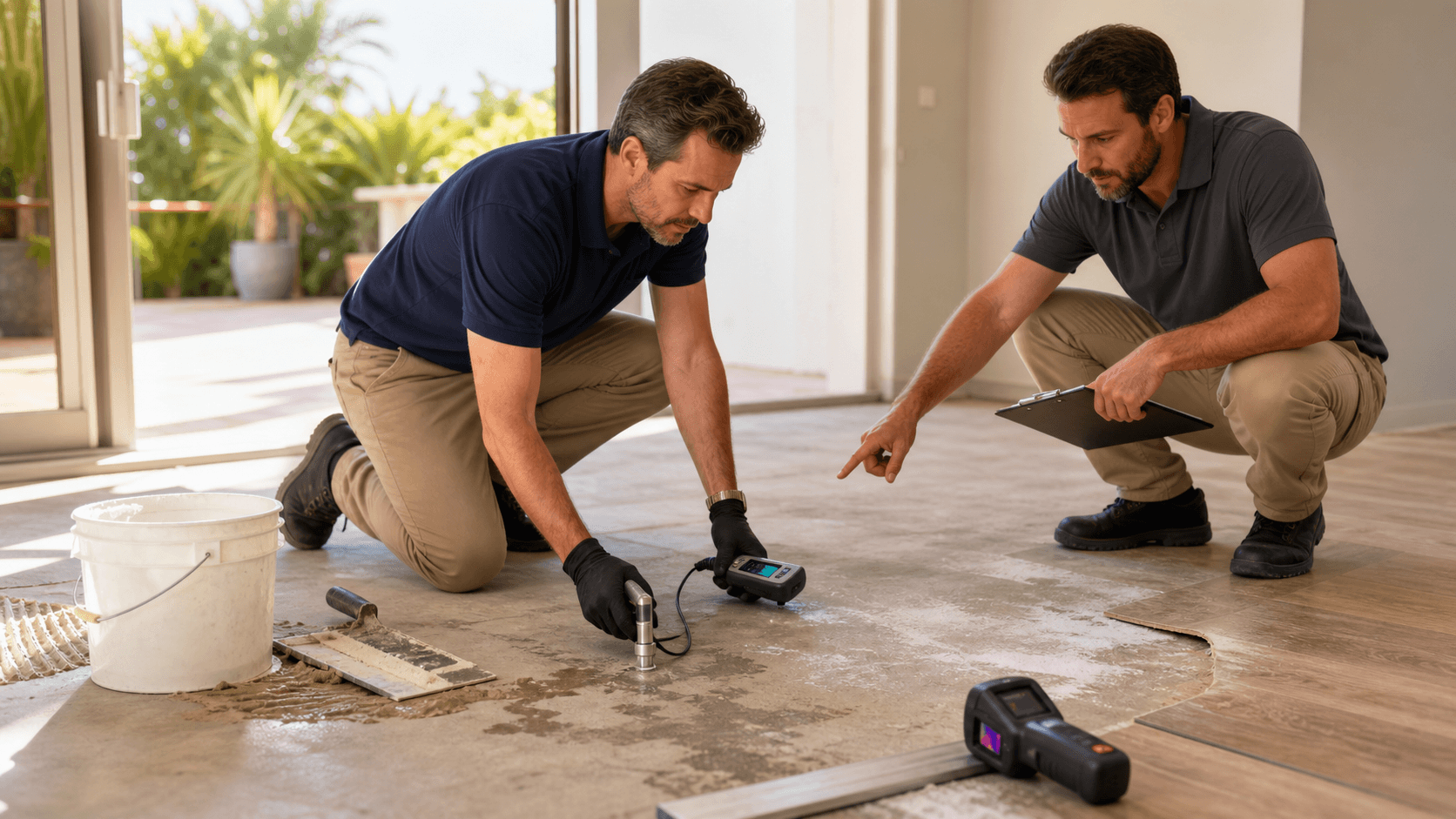
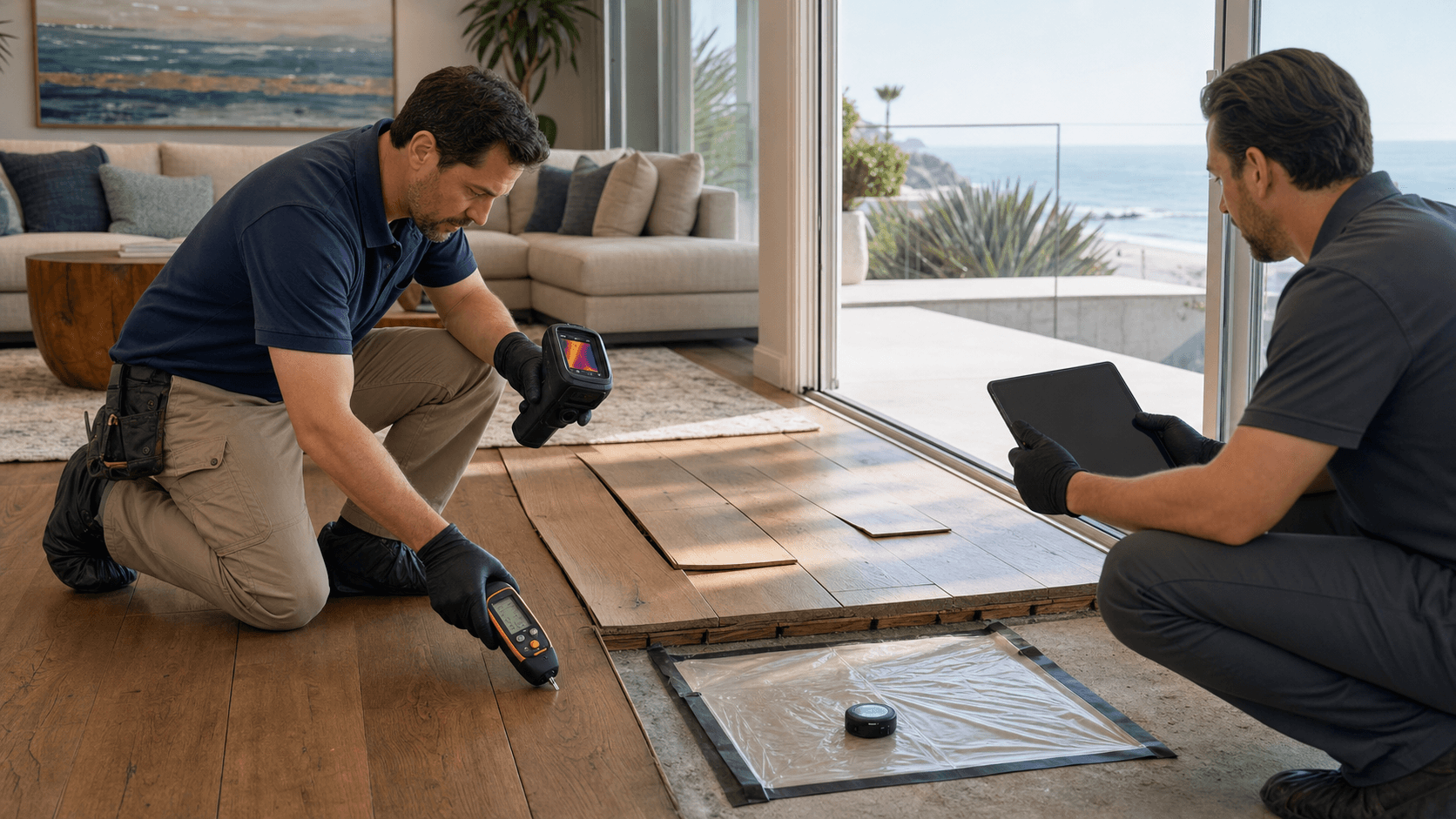
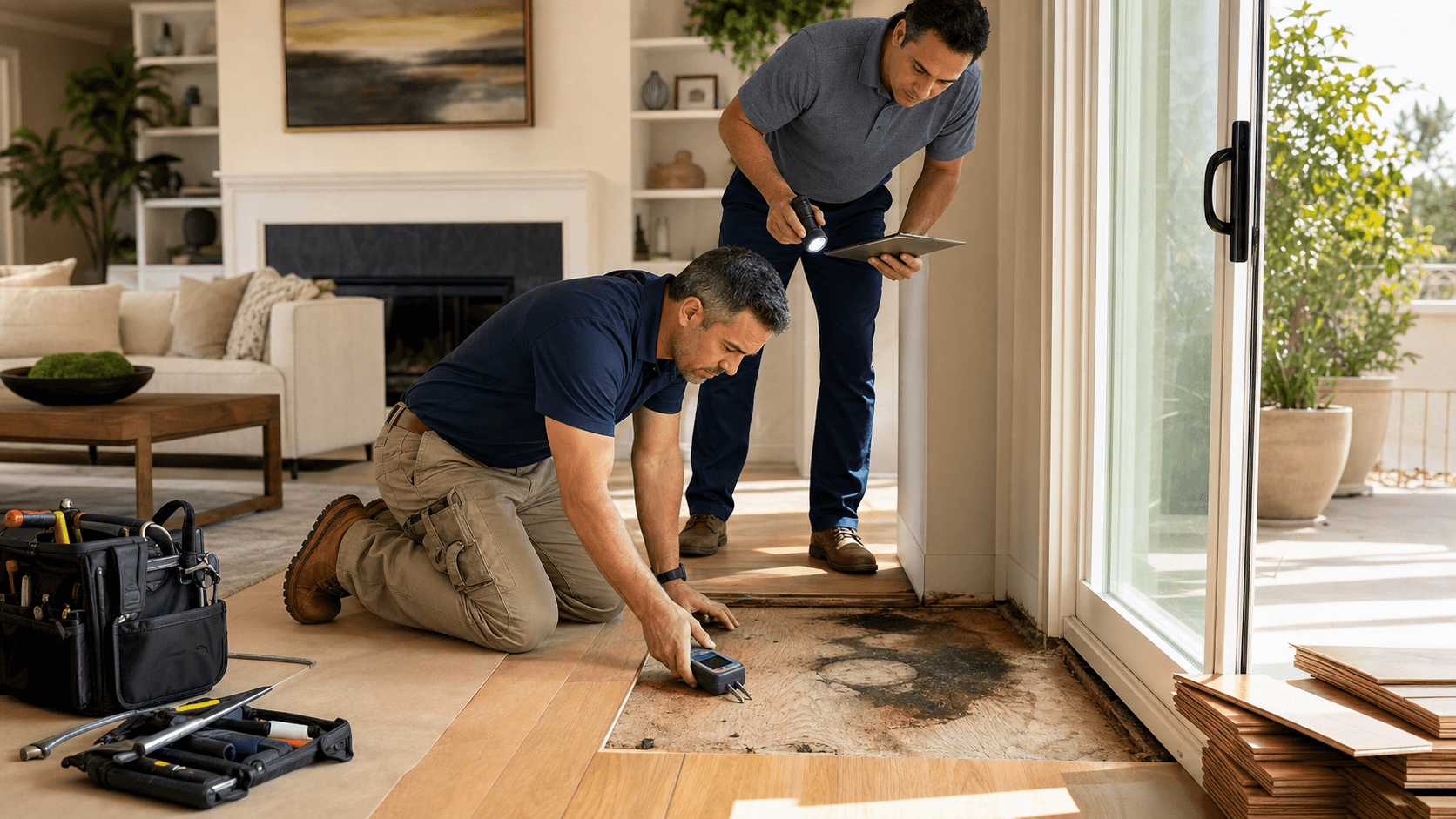
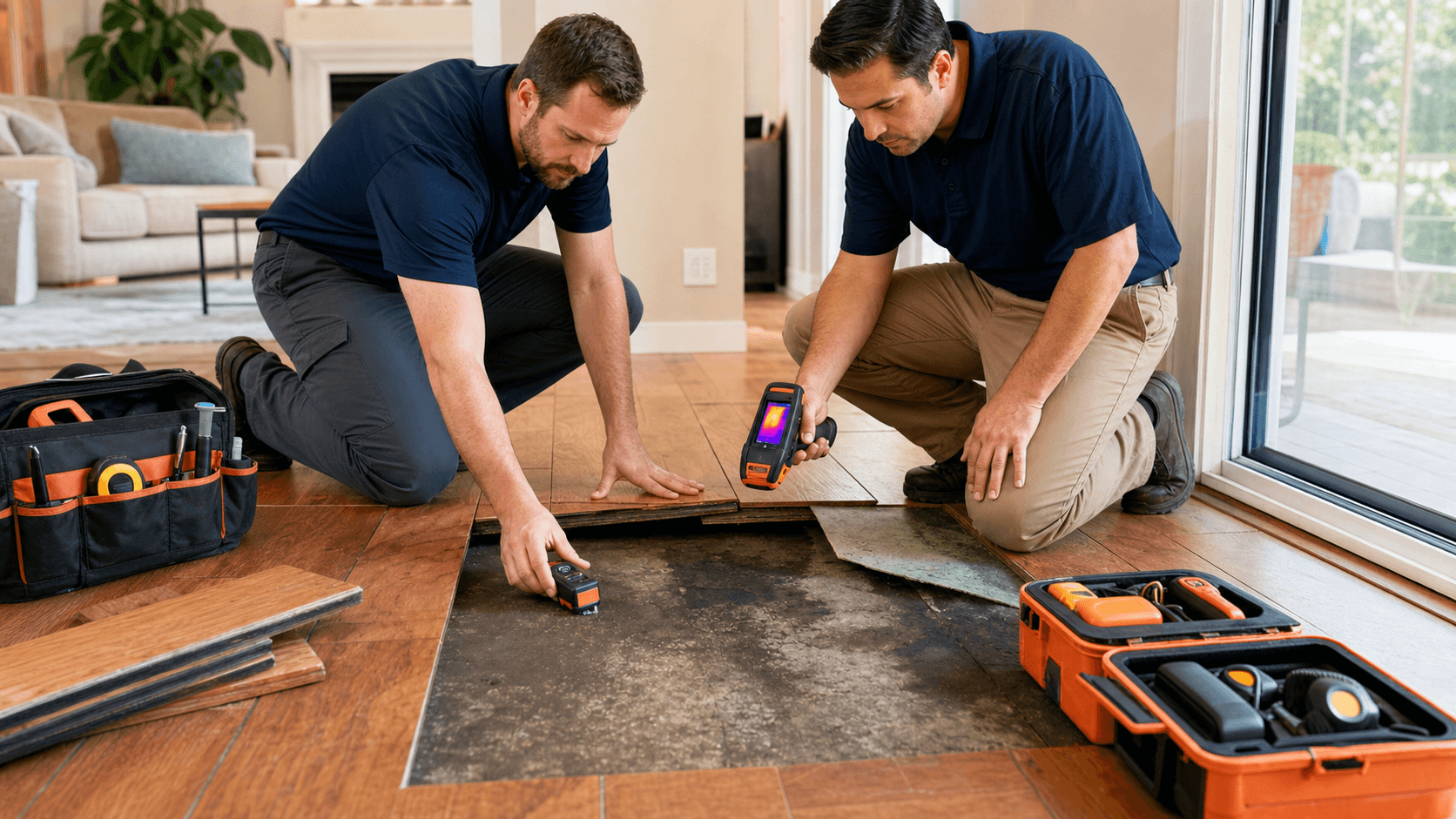
Moisture testing for concrete floors helps us find out if water is still present under the surface. Skipping this step can lead to problems later. New floors placed over damp concrete can bubble, shift, or even grow mold if the moisture gets trapped. Testing ahead saves time and materials before the first board or tile is even installed.
Why Moisture Lingers Under Floors
Moisture doesn't always evaporate as quickly as people expect. Concrete can hold onto water long after a leak is fixed or a rainy month passes. Even a slab that looks dry may still be releasing vapor from underneath.
- In older Orange County homes, many concrete slabs were poured without a vapor barrier underneath. That means moisture from deep in the ground can rise up steadily over time.
- Water from previous leaks or spills, even from spring landscaping or home cleanups, can soak through grout lines or edges and absorb into the concrete.
- Humid spring weather can slow drying, especially in shaded rooms or where airflow is low.
The thing about concrete is, it "breathes." It takes in and lets out moisture based on temperature, humidity, and the condition of nearby materials. If we put new flooring over a slab that still has moisture in it, the results can be frustrating, not just for installers, but for homeowners weeks or months later.
- At OC Flooring Inspection, we use surface meters, calcium chloride kits, and in-slab probes for accurate concrete moisture testing across Orange County.
- Our certified inspection reports guide contractors, property managers, and homeowners in planning remediation or preventing future failures.
Summer Remodeling Risks Without Testing
We see it happen more often than it should. The flooring goes in, everything looks great, then signs of trouble start popping up. What looked like a clean surface turns out to be holding onto more moisture than expected.
- Adhesives may not bond well when applied on wet concrete. This causes planks, tiles, or sheet flooring to lift, shift, or pull at the edges.
- Wood and vinyl flooring can warp or curl from underneath. Heat, paired with hidden moisture, causes materials to swell or bend.
- Mold and odor problems can develop under floors when heat locks moisture in and there's no air to help it dry.
These issues aren't always easy to trace back unless testing is done up front. By then, flooring may already be damaged, and so are budgets and timelines. Moisture testing early in the summer helps lower the chances of surprise failures down the line.
Signs You Might Need Moisture Testing
Even without removing old flooring, there are small clues that something underneath might not be right. Before your contractor starts demo or installation, it's helpful to look for a few warning signs.
- A white powder or flaking near baseboards can be a form of efflorescence, this forms when vapor brings salts from inside the slab to the surface.
- Certain spots on the floor may stay cold or damp even after mopping or a dry day outside.
- Flooring could feel soft, hollow, or springy underfoot in certain areas, which may mean water has weakened the adhesive or the surface underneath.
Homeowners often chalk these up to age, foot traffic, or older materials. But underneath, moisture buildup could be the real reason. Catching it now helps guide what happens next, without wasted effort or materials.
What Moisture Testing for Concrete Floors Can Reveal
When we do moisture testing for concrete floors, we're looking for more than just a wet patch or discoloration. We check the entire surface and beneath it to understand what's going on before installation begins.
- We check if the slab is still holding on to water from a past leak, heavy rain, or general humidity.
- We look for vapor movement from below the concrete, especially in homes with no vapor barrier.
- The test can show where the floor prep might need to be adjusted, like drying times, adhesive choices, or even delaying installation until things stabilize.
Concrete doesn't always show its condition at the surface. Even small pockets of vapor can lead to later problems if they get trapped under new flooring. Results from proper testing help plan the job in a way that lasts the first time around.
Smarter Timing Before the Work Begins
By early June, many people are finalizing plans with contractors and ordering materials. It's a good moment to fit moisture testing into the process, especially before things go too far along.
- Doing it now helps prevent delays later if installers find moisture problems right before laying the new floor.
- You can avoid accidentally wasting materials if adjustments are needed based on moisture levels.
- Results can help decide the best timeline for starting, removing guesswork from the planning.
In Orange County, it's common to get going with remodeling once school's out and routines settle into summer. But even small changes early on can make those plans hold up better. Making sure the concrete is dry and ready gives your project a cleaner, stronger start.
Dry Starts Make Stronger Finishes
Every remodeling project works better when the foundation is solid. Flooring that goes down over a dry, prepped surface tends to stay flat, tight, and problem-free for years to come.
Skipping moisture checks may feel like a time-saver, but it often backfires. Once materials go down, any moisture left beneath becomes trapped, especially in summer heat. That can lead to peaks, gaps, or odors that force expensive repairs later.
Taking the time to get testing done before flooring work begins gives your remodel the best chance from day one. Dry surfaces mean stronger bonds, cleaner finishes, and fewer unwelcome surprises as seasons change. Planning now keeps summer projects on track, and helps the results last.
Summer installs move fast, but hidden water in your slab can drag the whole project backward. At OC Flooring Inspection, we help Orange County homeowners and contractors avoid flooring issues before they start by checking what's happening underneath. Our process for moisture testing for concrete floors gives you a clear picture of what needs to happen so you're not gambling with adhesives, materials, or timelines. We'll make sure your surface is actually ready before the first box gets opened. Contact us to schedule your inspection today.