Introduction
Summer in Southern California might feel dry on the surface, but that doesn't mean your flooring is out of danger. The heat has a way of pulling hidden problems to the surface, especially when it comes to moisture trapped below. Water from earlier spring rains, plumbing problems, or slow leaks can stay tucked beneath the floor long after everything looks dry.
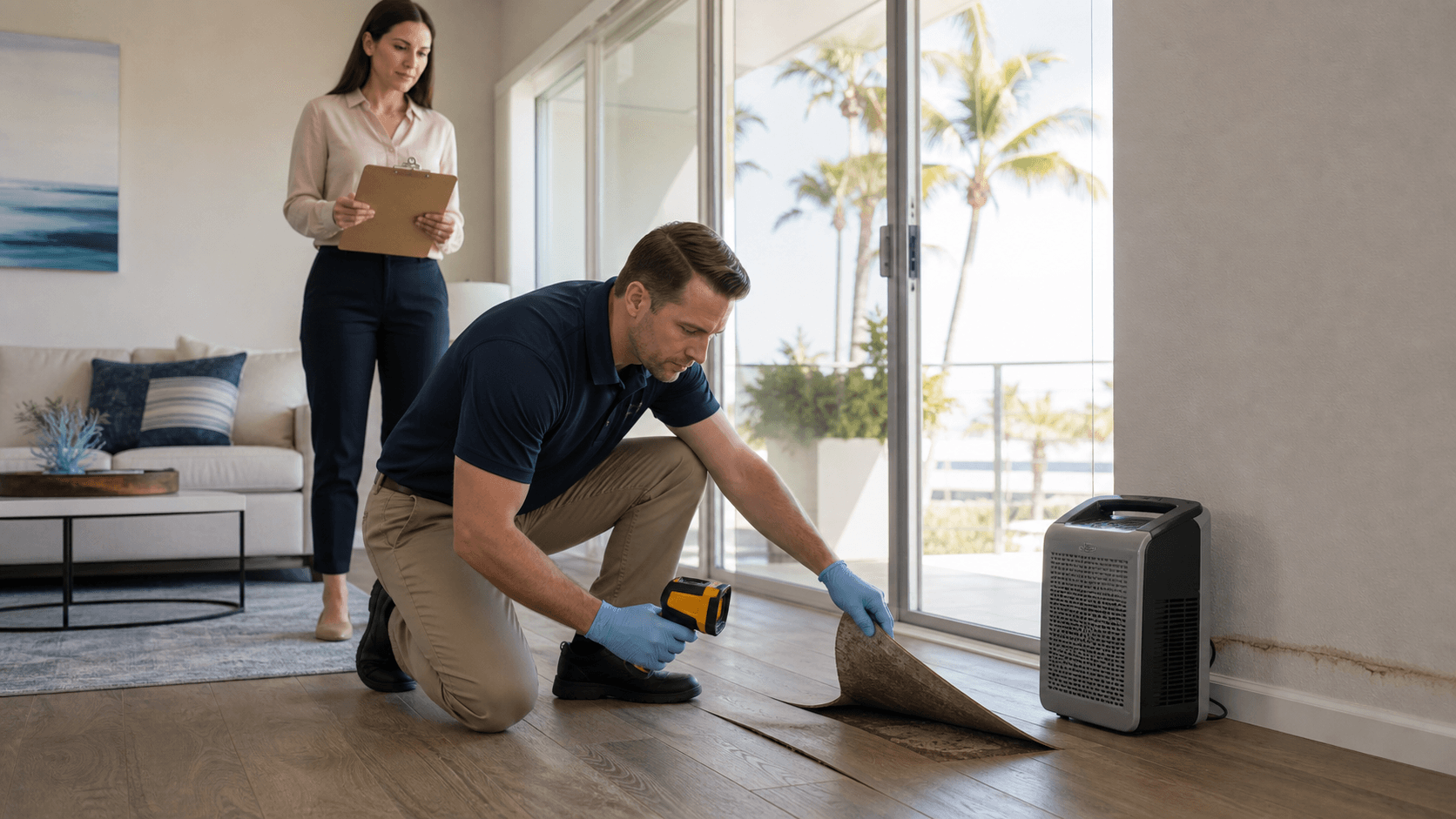
Subfloor moisture testing helps us figure out if that hidden water is still under there before the dry days of summer lock it in and raise the risk of floor damage. When moisture gets trapped under flooring and heat builds on top, it sets up conditions that can lead to movement, warping, or mold. Checking now, before the hottest months arrive, can protect surfaces that look solid but are one hot day away from showing damage.
There are unique challenges for flooring during Southern California summers. Homes may have solid and professional builds, but environmental changes can reveal issues that were never previously visible. In Orange County, many buildings experience subtle shifts over the course of spring and summer, making timely testing a wise precaution.
How Moisture Gets Trapped Below the Floor
Slab foundations are common across Orange County, and while they look solid, they can hold onto water longer than expected. When rainwater doesn't drain well, or the concrete isn't sealed, moisture can pass through the slab. That water doesn't always leave a mark on the surface, so everything might look fine. But just below, the slab could still be damp.
Leaks don't need to be big to cause long-term dampness. A slow drip behind a wall, a poorly sealed pipe, or runoff from a nearby planter can leave water pooling beneath floor layers. Without airflow or proper sealing, that water stays trapped.
When flooring like vinyl, hardwood, or laminate goes on top before the slab is fully dry, that moisture doesn't disappear. It quietly waits. And when it meets hot summer days, it starts to push back upward.
- OC Flooring Inspection uses advanced meters and in-slab probes to check for hidden water within slabs and subfloors across Orange County.
- Our inspection reports are trusted by contractors and property managers throughout the region when planning for repairs, upgrades, or warranty reviews.
Homeowners often underestimate how long it takes for moisture to truly leave the concrete. Even after several days of warm, dry weather, water from previous leaks may still be soaking into the slab or subfloor. When you combine this hidden moisture with the rapidly rising summer temperatures, the results can be more significant than most people anticipate.
What the Summer Heat Does to Trapped Moisture
Heat doesn't just warm up the space. It can force vapor movement up from the subfloor. When that trapped water tries to escape, it comes into direct contact with flooring materials.
- Vapor pressure starts pushing moisture upwards, often through adhesive or seams. This weakens glues and causes floors to shift.
- Warping or buckling can follow. We've seen cases where heat caused long-stable floors to move in strange ways, boards lifting or edges curling up after a week of hot weather.
- Once that motion starts, so does expansion and contraction. If boards are swollen and then dried unevenly, gaps appear, or worse, the flooring cracks under stress.
Testing for leftover subfloor moisture before all this kicks in can help avoid these kinds of problems during summer.
The combination of moisture rising and high heat not only impacts the flooring, but may also encourage the growth of mold or other unwanted complications. In homes with AC running consistently, humidity inside may seem controlled, but the subfloor could still be experiencing dramatic vapor movement. Recognizing this invisible risk is part of what makes proactive moisture testing so valuable before installation or heavy summer use.
What Subfloor Moisture Testing Looks For
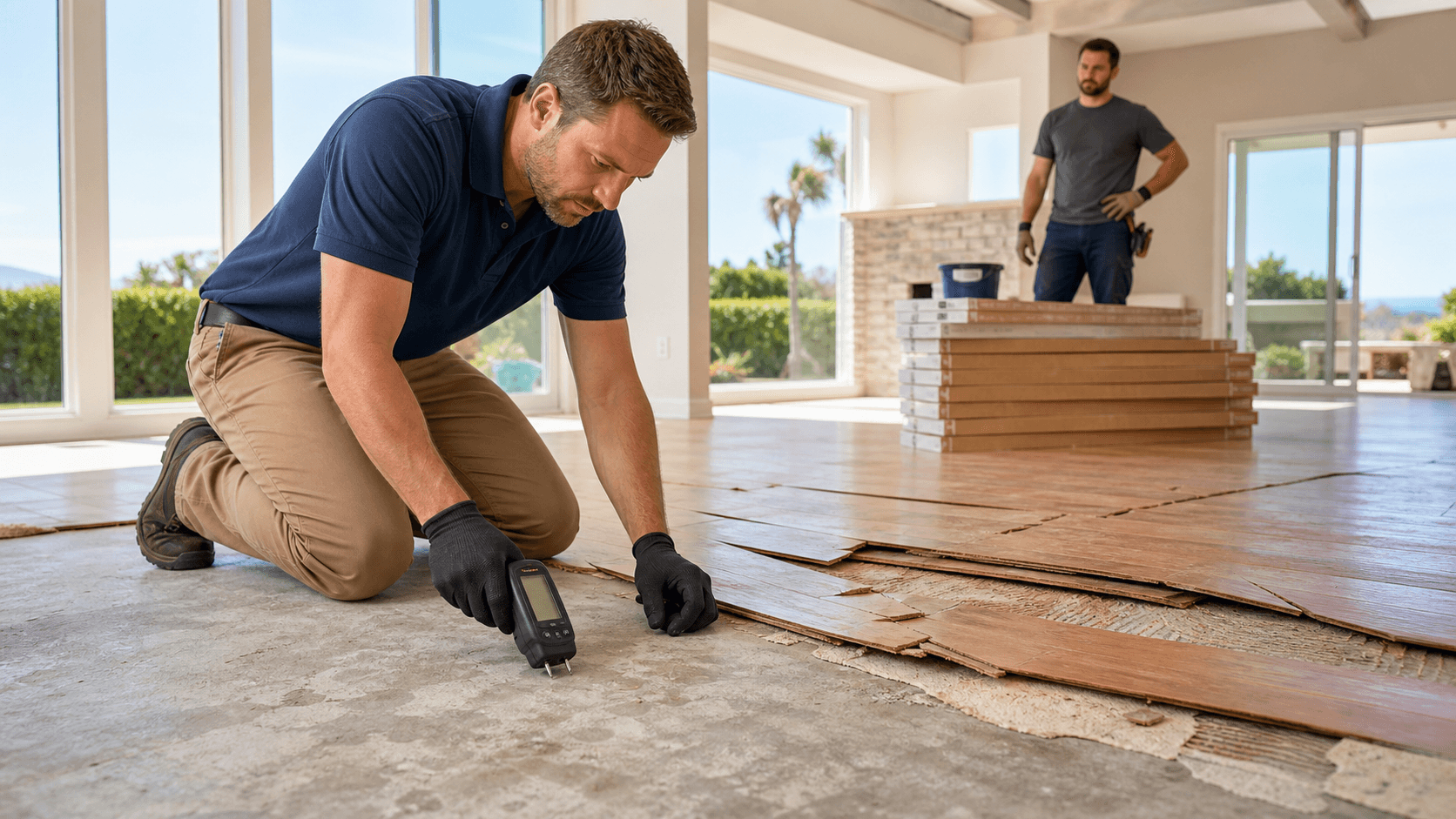
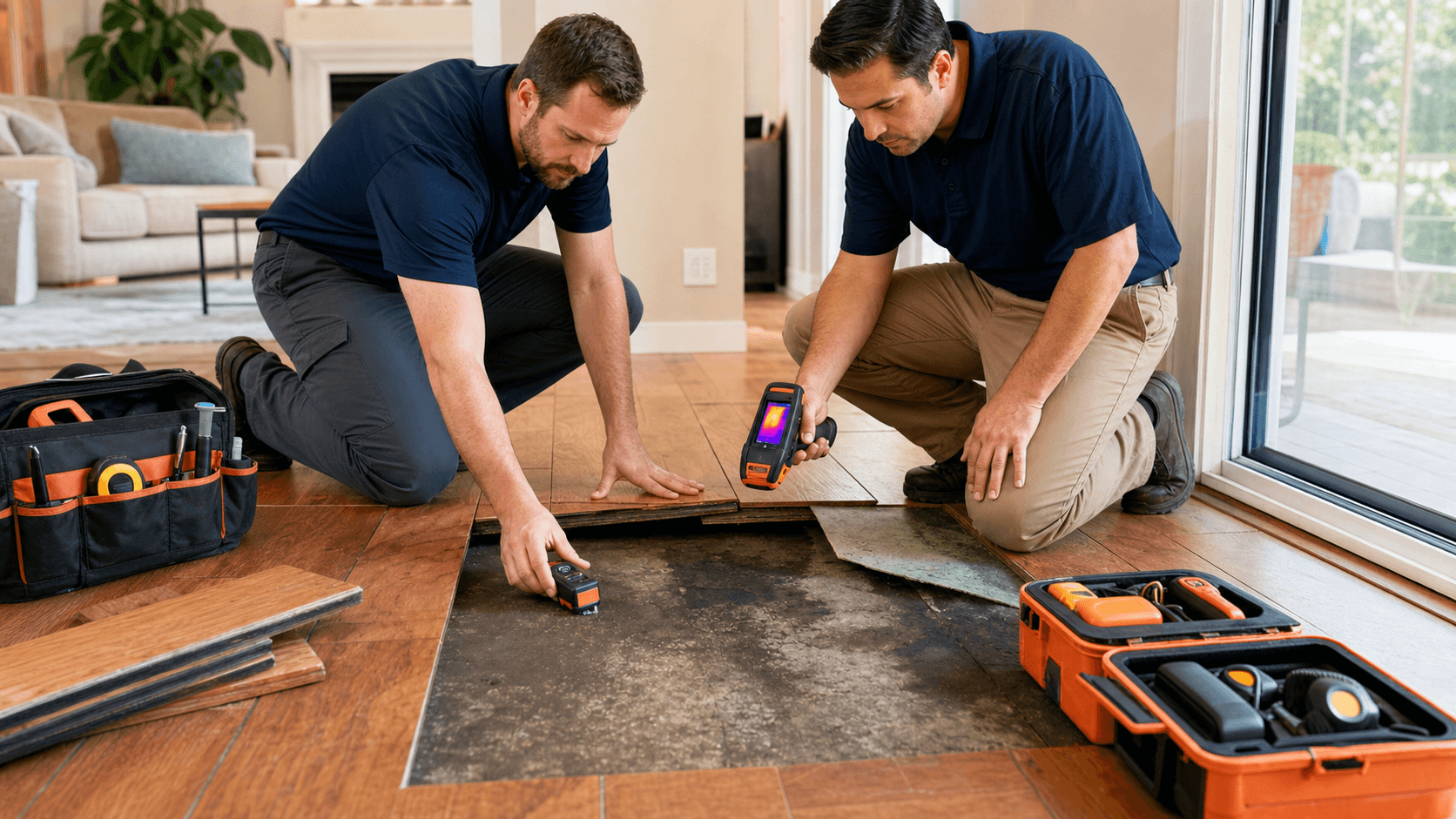
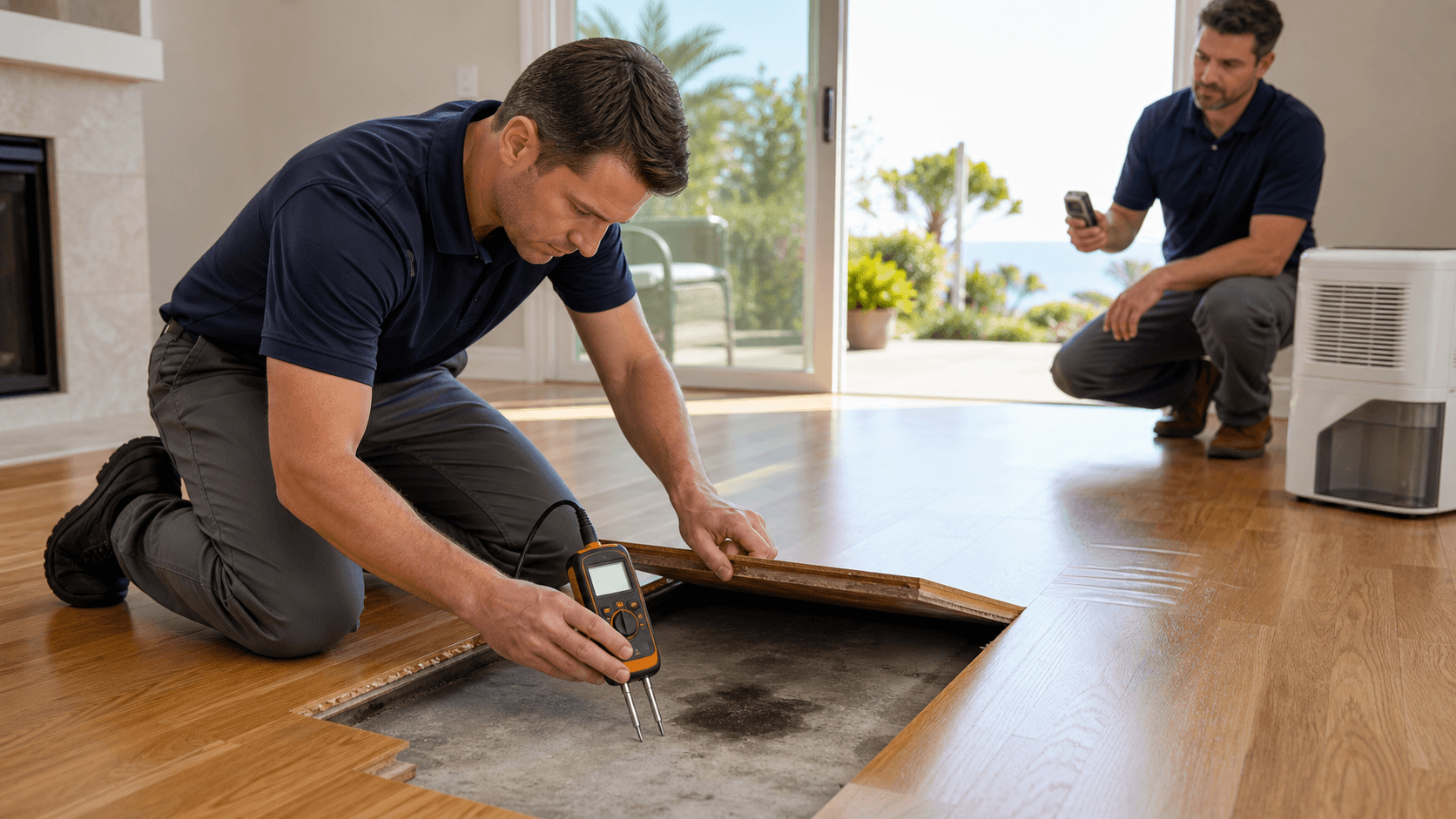
Subfloor moisture testing does not rely on guesswork. We use tools made for reading inside slabs or wood subfloors, which helps assess whether they're ready for use or holding moisture that still needs to dry out.
- Meters check just below the surface, giving quick feedback on conditions directly beneath the floor.
- Deeper readings let us see into the slab itself. These tests help understand whether water is sitting deeper down or already moving upward.
- With everything read and recorded, we know whether it's safe to proceed with new flooring or if time and drying steps are still needed.
Each reading allows us to avoid surprises later, like adhesives softening under heat, or boards moving when they should stay locked in place.
By identifying damp spots early and addressing them, the entire flooring system is likely to last longer and experience fewer complications. Even small pockets of hidden water can trigger unexpected problems during fluctuating temperatures, impacting not only the appearance but the structural quality of your floors.
When Timing Matters Most: Late Spring in OC
Late spring is when these hidden issues can either be fixed or left to get worse. Even into May, that moisture from early rains or older leaks can still be under the floor.
This is the window where we have a chance to work with levels that are still drying naturally. Heat hasn't peaked yet, which means the drying isn't uneven, and temperature swings don't get in the way of moisture escaping properly.
As Orange County warms up, slabs begin to respond to that shift. If there's still trapped water by then, it won't get better once the hot, dry days settle in. Testing now makes that call easier. It either gives a green light to keep going or signals a pause until conditions are right. Either way, we avoid the stretches of complaints and repairs that show up mid-summer.
Spring is ideal for making these checks because the weather shifts gradually, allowing you to slowly achieve the balanced indoor environment needed for accurate results. Builders and property managers who keep a close eye on moisture levels during spring often see fewer summer emergencies and enjoy longer-lasting floor performance.
Better Floors Begin with a Dry Start
Most damage we see didn't happen overnight. It built up from one small leak, one early install, or one unchecked area of moisture. What looked like a strong floor in spring can turn into a series of repairs by the end of summer.
Subfloor moisture testing gives us the time to make decisions while damage is still preventable. Waiting until the floor moves or shows signs of failure limits the options. Catching moisture early keeps things steady now and in the months ahead. And when it's done before the heat arrives, the whole system, floor, slab, and air, works better long-term.
The peace of mind that comes with a thorough check is often overlooked until issues have already started. Regular testing reduces surprise expenses, keeps your flooring warranty intact, and ensures the space stays safe and usable. Choosing to test now means you avoid reacting to problems later and gives you time to select the right repair or installation strategies with confidence.
Worried about early floor changes or looking for peace of mind before the summer heat sets in? Our team specializes in detecting hidden issues, especially in slab homes common throughout Orange County. We use advanced tools to spot problems you can't see on the surface and help you avoid costly damage. To learn more about how we handle subfloor moisture testing, contact OC Flooring Inspection today.