After the holidays, floors often hide more damage than they show. Hosting guests, dragging heavy decorations around, or sliding tables to make space can leave behind subtle signs that something has changed. Once the new year starts and things settle back down, it's a good time to take a closer look at what might have shifted beneath the surface.
A post installation floor inspection can uncover issues that are easy to overlook when you're caught up in the season. Even if your floor looks fine at first, something as small as moisture trapped under a surface or pressure at the seams can start causing long-term problems. Right after high-traffic events like the holidays, quick checks can make a big difference in how your floor holds up.
Common Flooring Damage After the Holidays
The holidays often mean more feet on the floor, more spills, and more movement of furniture than any other time of year. All that extra activity adds up, especially if the floor was installed recently and hasn't fully settled or cured.
- Heavy foot traffic can wear down finishes and coatings, especially in high-use areas like kitchens or living rooms
- Furniture movement, pushed couches, wobbly tables, and temporary items like extra chairs, can cause stress on seams and joints
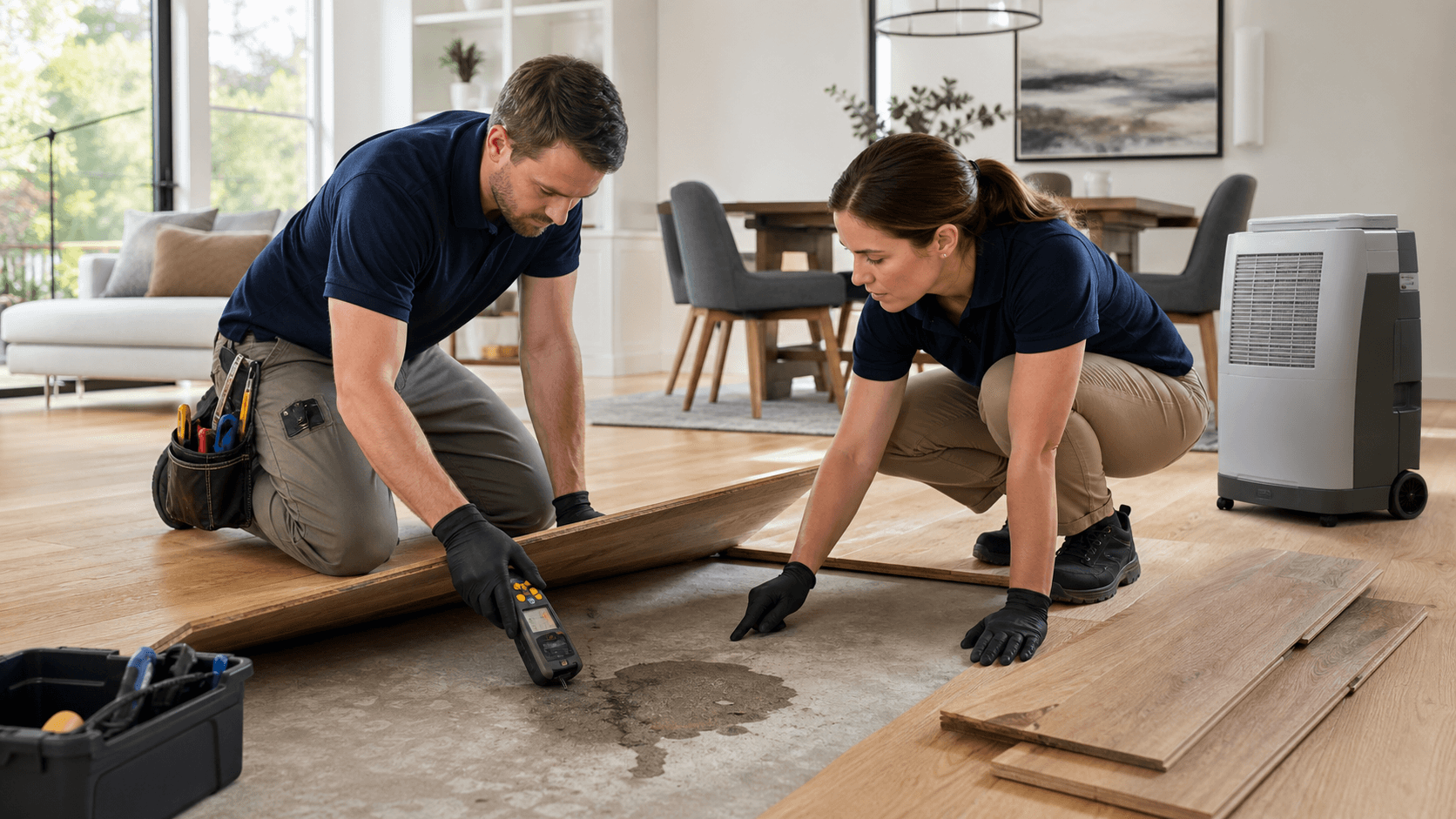
- Spills from food, drinks, or melted ice tend to go unnoticed in the rush, leading to hidden water damage
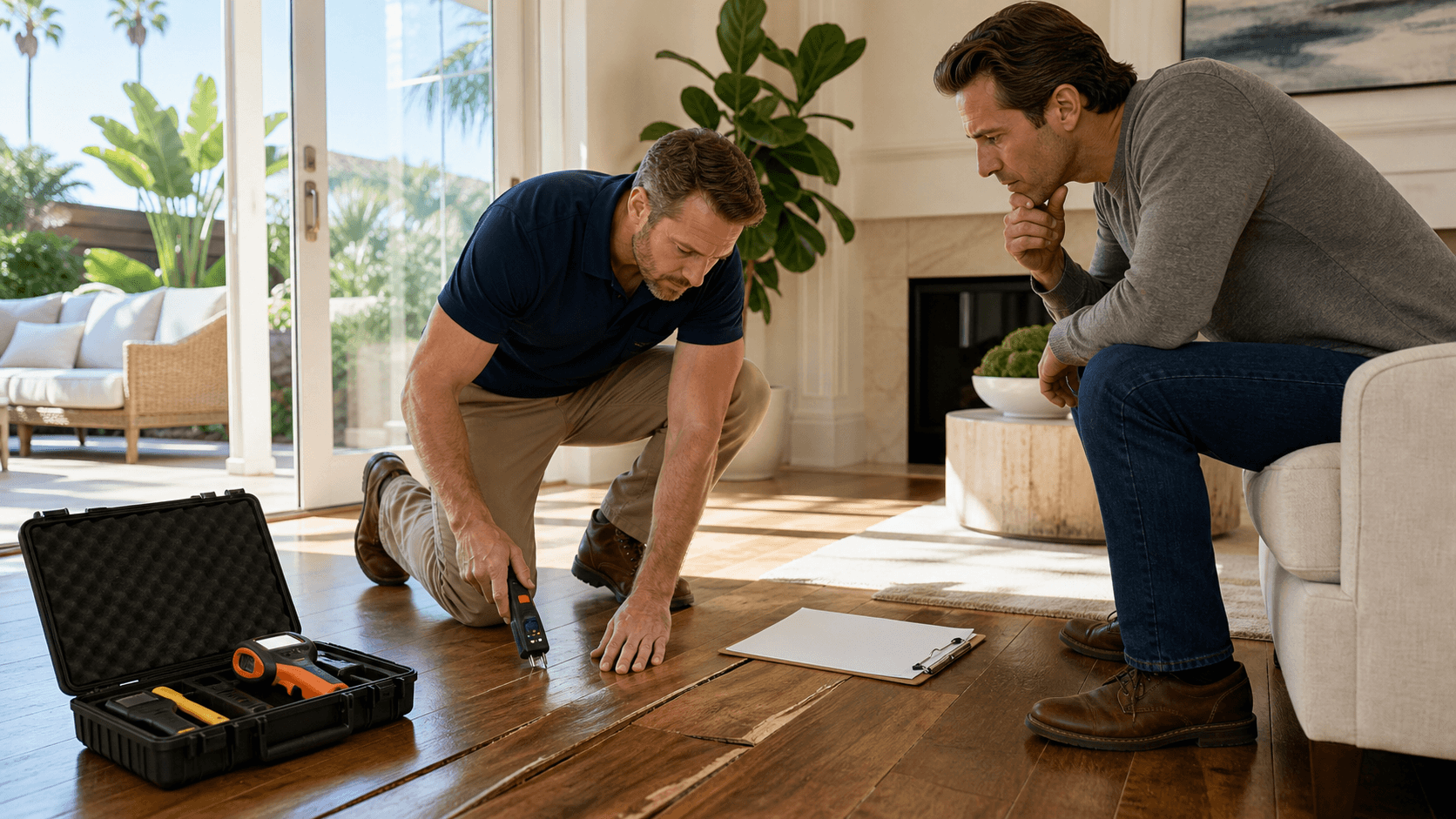
- OC Flooring Inspection's inspectors use advanced tools to find surface and subsurface issues that are easy to miss during busy holidays
By the time things quiet down, that holiday wear might have already started to affect how the floor performs. A shift in one section or hidden moisture under another can easily go undetected until it has spread.
Why Timing Matters for Floor Inspections
Late winter is often overlooked when it comes to floor care. But in places like Orange County, this season still brings changes you don't want to ignore. Trapped moisture, indoor heating, and daily temperature swings can all shift how flooring materials respond.
- Early fall and late winter offer a good window for inspections because seasonal stress has just passed
- Heating systems run longer, drying out air and possibly affecting subfloors or adhesives that were fine just a month before
- If you wait until spring or summer, small problems could grow into more expensive fixes
- As a California-licensed contractor, OC Flooring Inspection provides certified post installation floor inspections for homeowners and property managers throughout Orange County
A post installation floor inspection during this time lets us catch subtle changes before they turn into deep warping or bond failures. Floors are built in layers, and even a small shift in one can affect the others.
Signs That Call for a Post Installation Floor Inspection
Not every problem announces itself with a major crack or obvious stain. Many of the most common signs show up quietly and gradually, especially after an intense season like the holidays.
- Look for uneven or soft areas that weren't there before, this might mean the substrate has moved or weakened
- Listen for popping, creaking, or hollow-sounding boards, which could signal adhesive separation or movement underneath
- Discolored patches or dull, cloudy spots may mean moisture has started to break down finishes or seep between layers
These early indicators are often missed until damage becomes more serious. A focused inspection can tell whether the issue is surface-level or something that needs deeper attention.
What an Inspector Looks for During an Inspection
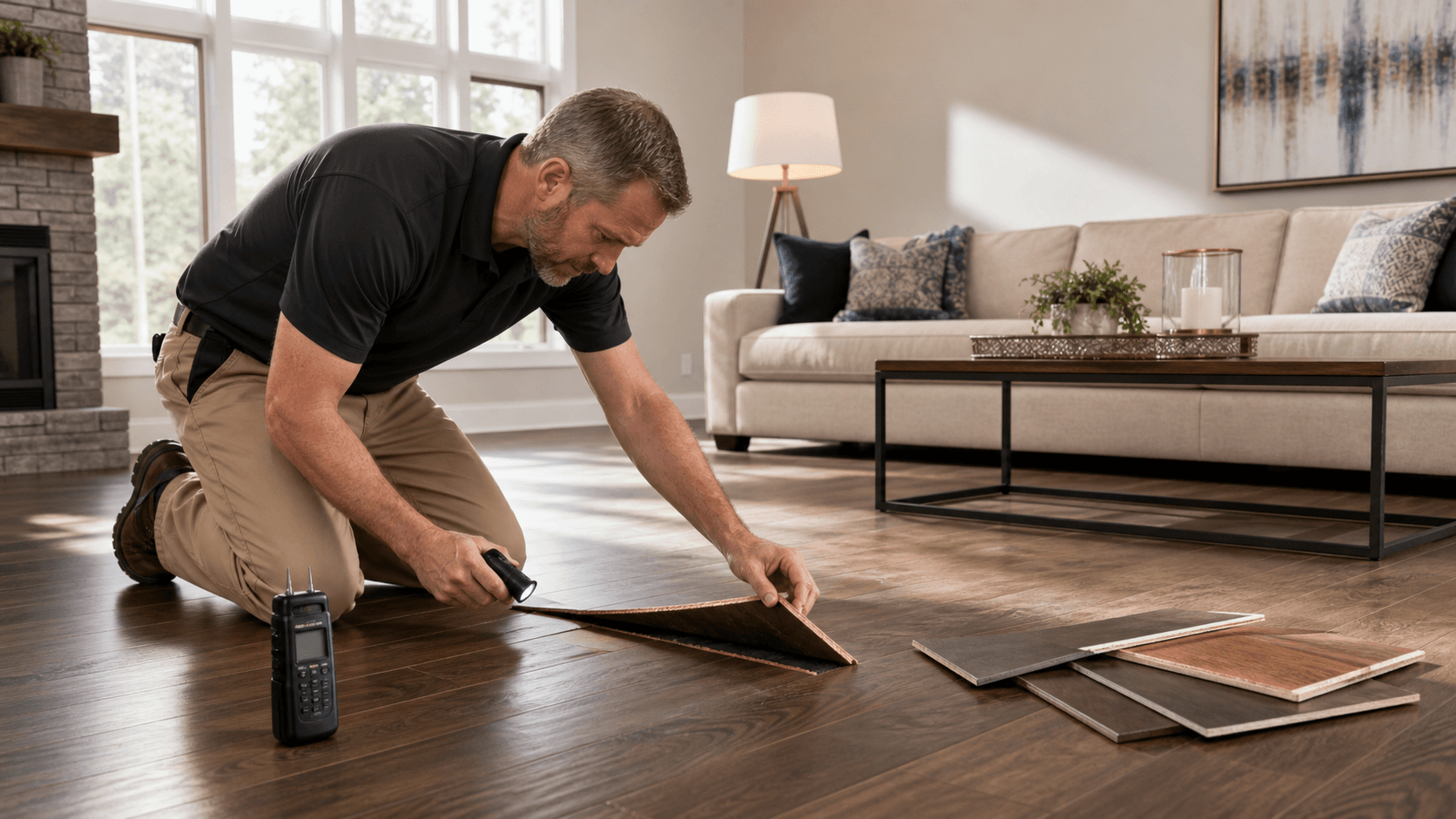
When we check a floor after installation, we're not just looking at what you can see on the surface. A complete inspection checks each layer, from the exposed finish to what's happening underneath. The goal is to spot early warning signs, not just fix what's already gone wrong.
- We check the surface for wear, clouding, or abrasion that doesn't match normal use
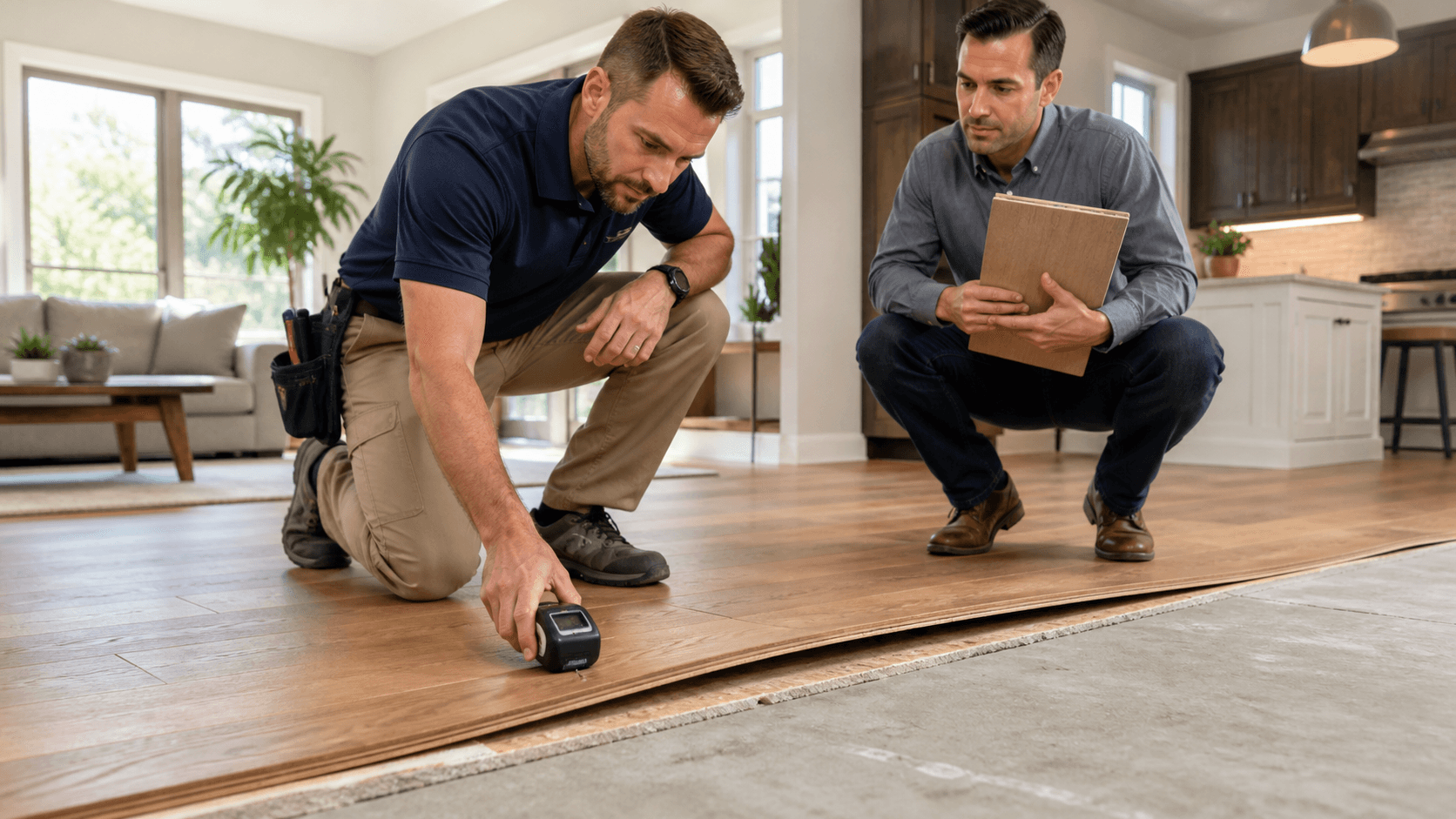
- We look at panel seams and floor edges for movement, lifting, or gapping
- Tools like moisture meters, straight edges, and bond testers help us verify what's really going on below
- OC Flooring Inspection delivers detailed inspection reports for use with insurance claims, warranties, or future repairs
These tools help us figure out whether something happened during the holiday months or whether the floor was possibly installed incorrectly to begin with. Inspections at this point are about catching both kinds of situations before they get worse.
Long-Term Benefits of Catching Problems Early
Once damage spreads, costs and repair time usually go up. But when we find fixes early, the solutions tend to be less invasive and less expensive. That's a major reason to inspect soon after events that push a floor to its limits, like winter holidays.
- Localized repairs cost less and keep the floor system stable
- Early correction avoids larger remodeling work or multiple repair visits down the road
- A solid inspection record helps keep warranties valid and gives clear history for insurance or resale purposes
No one wants to start the new year with flooring trouble. A quick floor check done at the right time helps keep small concerns from growing into big disruptions.
Protect Your Floor's Life After the Holidays
Holiday gatherings, decorations, and extra foot traffic are tough on floors, especially newer ones still settling in. A post installation floor inspection right after the season helps keep the damage from getting worse by showing what needs attention now.
Skipping this step can let hidden issues grow under the surface. By taking action while signs are still minor, you protect not just the appearance but the structure of your floor, and keep it working well all year long.
The holidays can take a toll on your floors in Orange County, often leaving behind subtle signs of wear or hidden issues beneath the surface. Early detection saves time and helps you avoid more extensive repairs down the road. Our detailed inspections at OC Flooring Inspection highlight problem areas like excess moisture, seam movement, and surface wear so you can start the year confident in the condition of your flooring. Schedule your post installation floor inspection today and let us help keep your space safe and sound.