Knowing what to ask when choosing hardwood flooring inspectors in Orange County can make a big difference. If you've never had a floor inspected before, it's easy to feel unsure about what to expect or which questions will actually help. You do not have to figure it out alone. Asking the right questions helps you avoid confusion later, especially if there's a deeper issue hiding under your hardwood.
Fall is a smart season to get inspections done. As cooler, damper air rolls in, signs like cupping or cracking start to show more clearly. Hidden flaws from past leaks or summer heat can finally work their way to the surface. Before winter moisture takes hold, it's a good idea to get ahead of it while the weather is still mild. If you are not sure where to begin, start here. A clear conversation with a hardwood flooring inspector begins with a few direct, simple questions.
What Is Your Inspection Process?
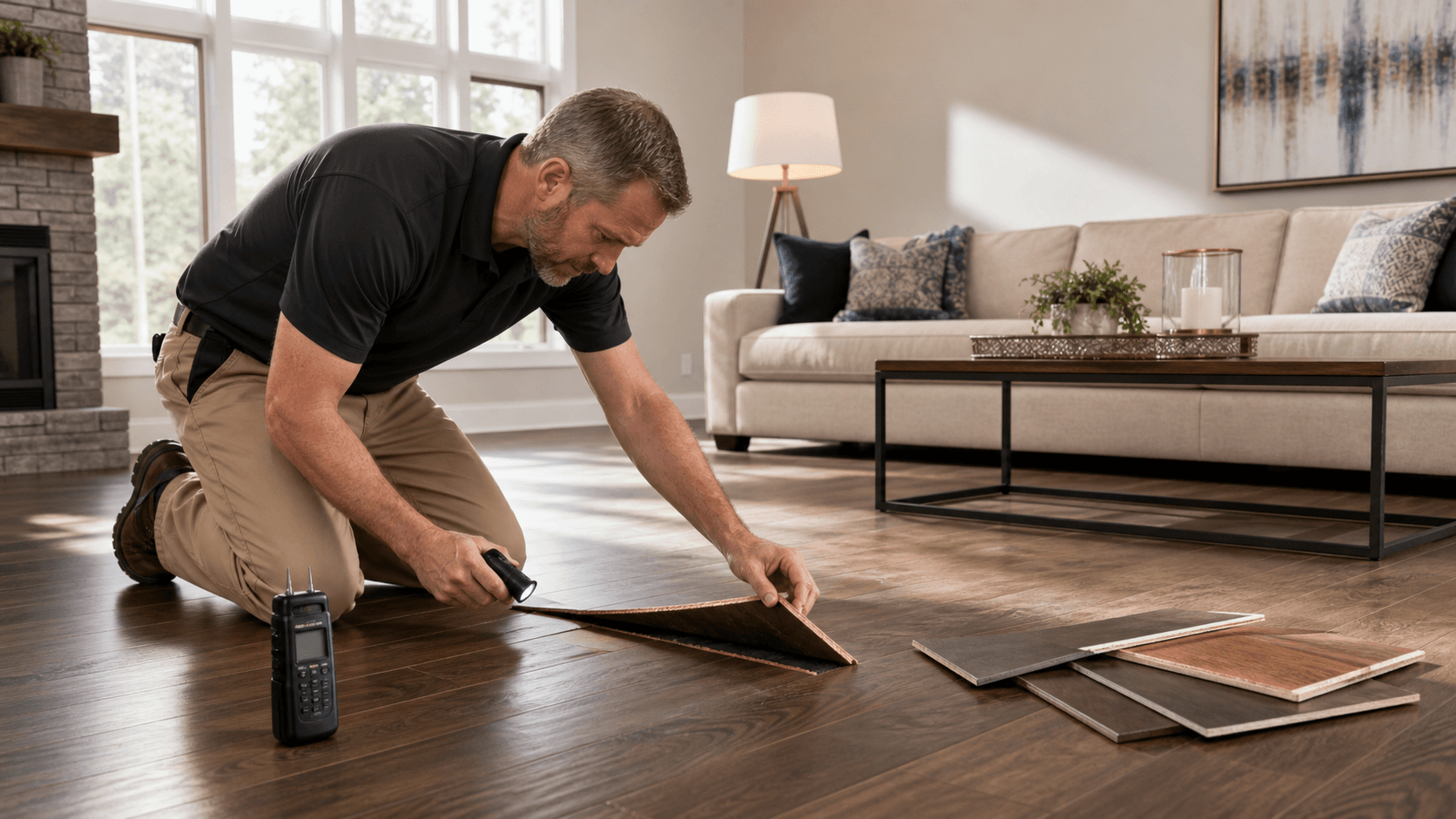
Knowing how an inspection will go gives you peace of mind and lets you plan around it. The approach might vary depending on how your floors were installed, what kind of hardwood was used, and what's underneath.
- Ask if they have different steps for glue-down, nail-down, or floating floors
- See whether they check for subfloor problems, like high moisture levels or missing expansion gaps
- Find out how long the inspection will take and whether you need to cover or move anything
Some inspectors can walk you through their process in advance. Others may need more details about your home before explaining what they will do. If an inspector seems rushed or vague, that is a red flag worth paying attention to.
Are You Certified or Licensed in Flooring Inspection?
Not all flooring inspectors are licensed contractors, but the best ones can show proof of experience tied directly to floors. This is one place where paperwork matters.
- Ask if they carry any inspection-related licenses or if they have formal training
- Request examples of how often they inspect hardwood floors and how familiar they are with Orange County homes or climate
- Find out how they share their findings, will you get a detailed report you can actually use in a claim or formal complaint?
Whether you are dealing with a builder issue, an installation concern, or just routine questions, having someone licensed helps when it comes to reports that need to hold weight.
- OC Flooring Inspection is a California-licensed contractor and provides detailed reports trusted for claims, legal action, or warranty disputes across Orange County.
How Do You Identify Moisture Problems or Gaps?
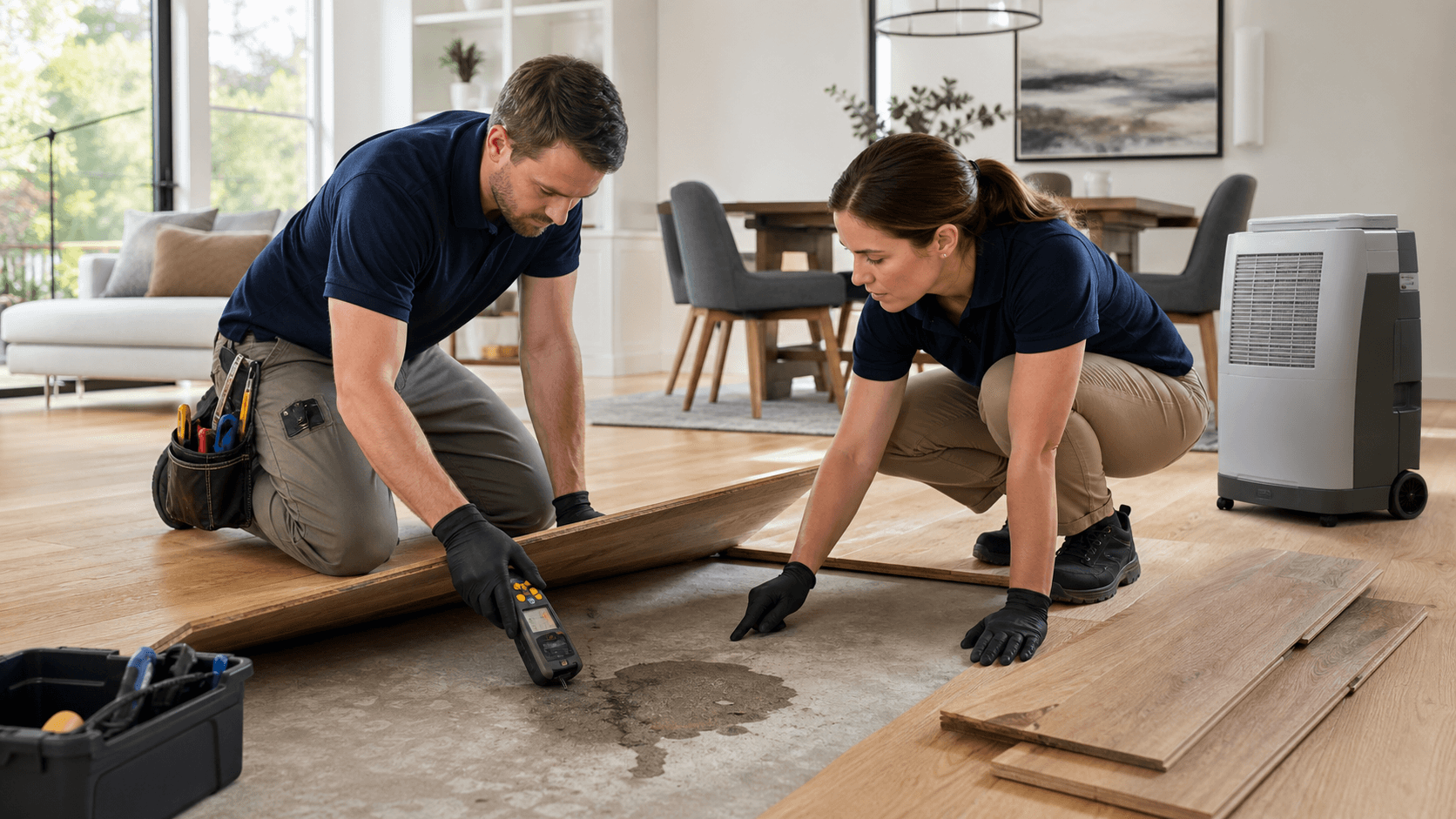
Moisture might be the most common silent issue in hardwood floors, especially here in Orange County. It creeps in quietly and might not show clear signs until it is widespread.
- Ask which tools they use, do they rely on visual checks, or use things like moisture meters or thermal cameras?
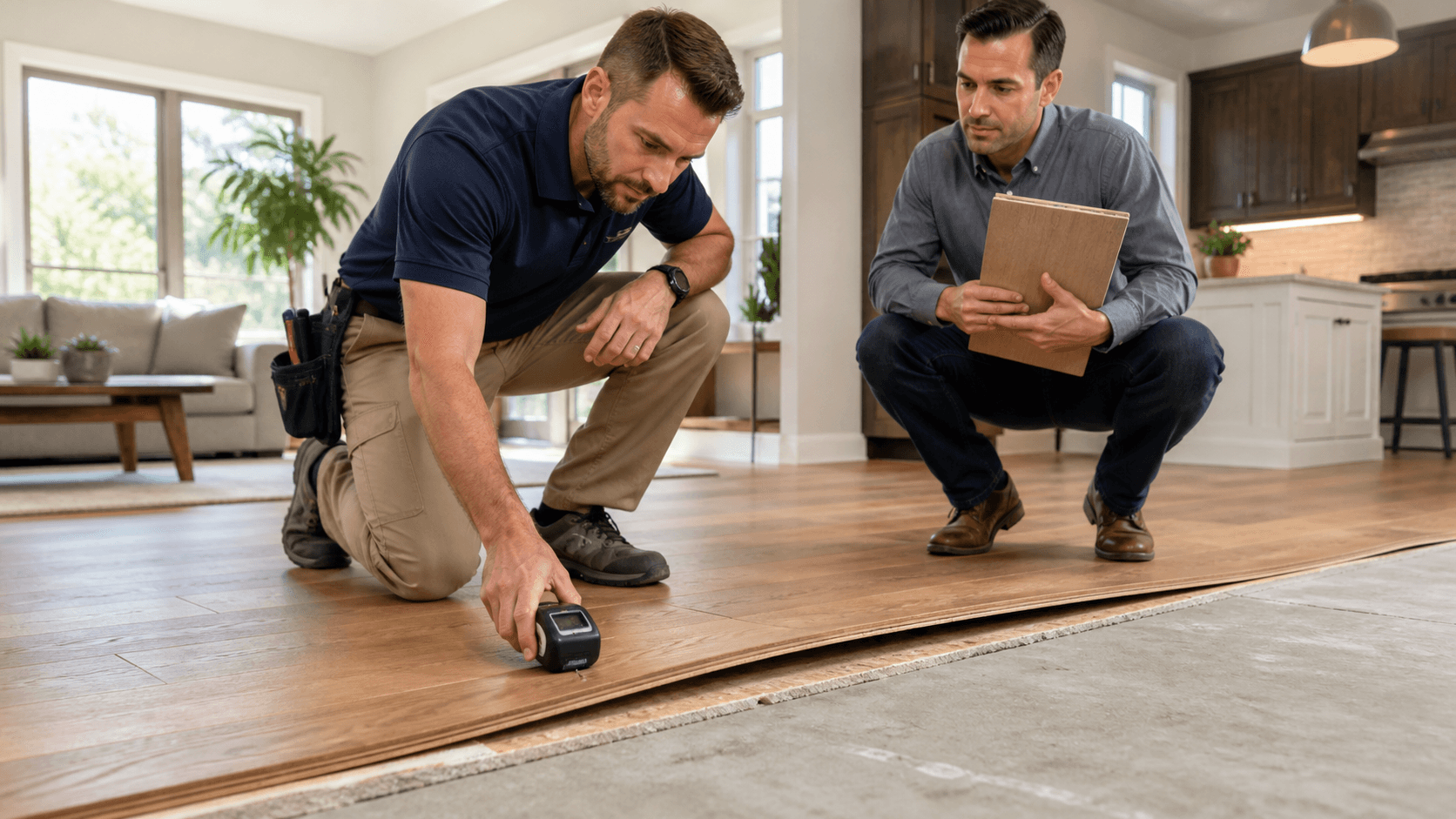
- Have them explain how they tell the difference between normal seasonal gaps and actual material failure
- Ask if they ever connect problem areas to larger patterns, like bad air circulation or past leaks nearby
A confident inspector will not shy away from these questions. They should be able to explain what they look for and how they reach a conclusion step by step without getting too technical.
What Happens After the Inspection?
It's not just about the visit itself, it is what you get after that is just as important. Make sure you leave the inspection with more clarity than when you started.
- Ask if you get a written report that includes photos, measurements, and easy-to-read recommendations
- Clarify if the report explains what caused the problem or just describes only the symptoms
- If they find major issues, ask what types of next steps are normally recommended
Not every problem needs to be fixed right away, but having the right insights gives you more control. If something is serious, you will want documentation that helps you move forward, and if it is minor, it is good to have peace of mind that nothing bigger is developing.
Planning a Fall Inspection in Orange County
We know the months between October and December bring cooler nights and more moisture to many parts of Orange County. This is exactly when hardwood floors start reacting to change.
- Old cracks can open again as boards shift in cooler weather
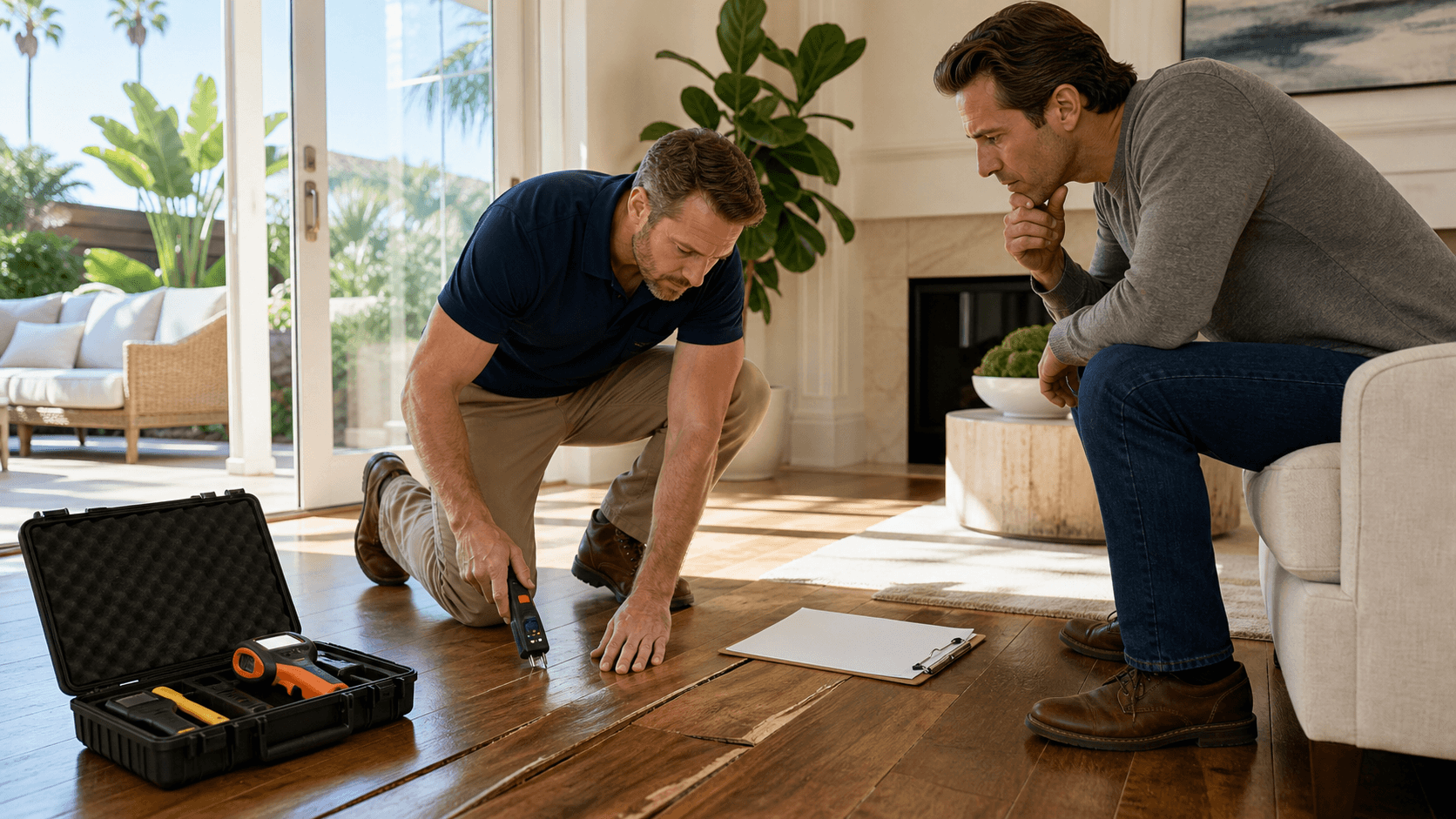
- Seasonal cupping or separation may point to moisture problems beneath the surface
- Fall gives the perfect window to repair or plan before wet winter months increase the risk of damage
Floor changes that did not seem serious in summer can suddenly look worse when fall hits. A seasonal inspection helps you catch those changes while repair options are still manageable.
Each year, as temperatures drop, even slightly, and humidity in the air increases after a dry, hot summer, hardwood flooring naturally responds. Familiar issues, such as gentle popping noises underfoot, or tiny gaps between boards, may appear that were not there a few weeks ago. Catching these early, during fall, can help resolve them before moisture fully saturates the wood, leading to larger repairs.
Regular inspections can reveal subtle changes that set the stage for bigger shifts in winter. This means you can plan for repairs or maintenance at a time when flooring professionals have greater flexibility in their schedule, and materials are less likely to be under extra seasonal stress.
Know More Before the Floor Gets Worse
Making smart decisions means asking good questions up front. A flooring inspection is not just about checking things off a list. It is about being clear on what is happening beneath the surface, what is normal, what is not, and what might need attention soon.
Being prepared helps you feel more confident, whether you are dealing with a new concern or checking an older installation. The more direct and honest the conversation with your inspector, the more useful the results will be. When you know what to ask, the next steps feel less overwhelming and far more useful.
With cooling temperatures and the transition to winter, an inspection can provide not just technical information, but reassurance that your home's flooring is in optimal shape. This matters especially in regions, like Orange County, where changes often happen quickly and unpredictably. Asking the right questions put you in the best position to address issues while they are still manageable, rather than waiting for widespread damage that is far more difficult and costly to repair.
At OC Flooring Inspection, we understand how local weather and installation choices impact wood flooring as seasons change. When you notice boards cupping, separating, or making unusual noises, bringing in experienced inspectors can help prevent minor issues from turning into expensive repairs. Our process is designed to give you honest answers and clear guidance before concerns escalate. Send us your questions for straightforward insights from licensed hardwood flooring inspectors and schedule your inspection in Orange County today.