Every floor needs the right foundation to stay flat, quiet, and secure. But not every subfloor is the same, and different flooring types rely on different things to stay in place. Substrate inspection services give us a clear view of what is hiding under the surface before floors are even installed. Without the right checks, the new floor might look great for a while, only to shift, separate, or crack later on.
At the end of summer, many people in Orange County turn their focus to home improvement projects. The cooler, drier fall weather makes it a good season to inspect interior structures, especially if you are planning to put in new floors. Matching the right inspection method to your floor type helps avoid delays or expensive surprises halfway through a job.
Why Different Floors Need Different Types of Inspection
Every flooring material rests on a base layer that either supports it or eventually causes problems. The kind of inspection we do depends on what kind of floor is going in.
- Tile works best when the base is solid and will not bend or shift. If the substrate has weak spots or moisture issues, the grout may crack or the tile may pop loose.
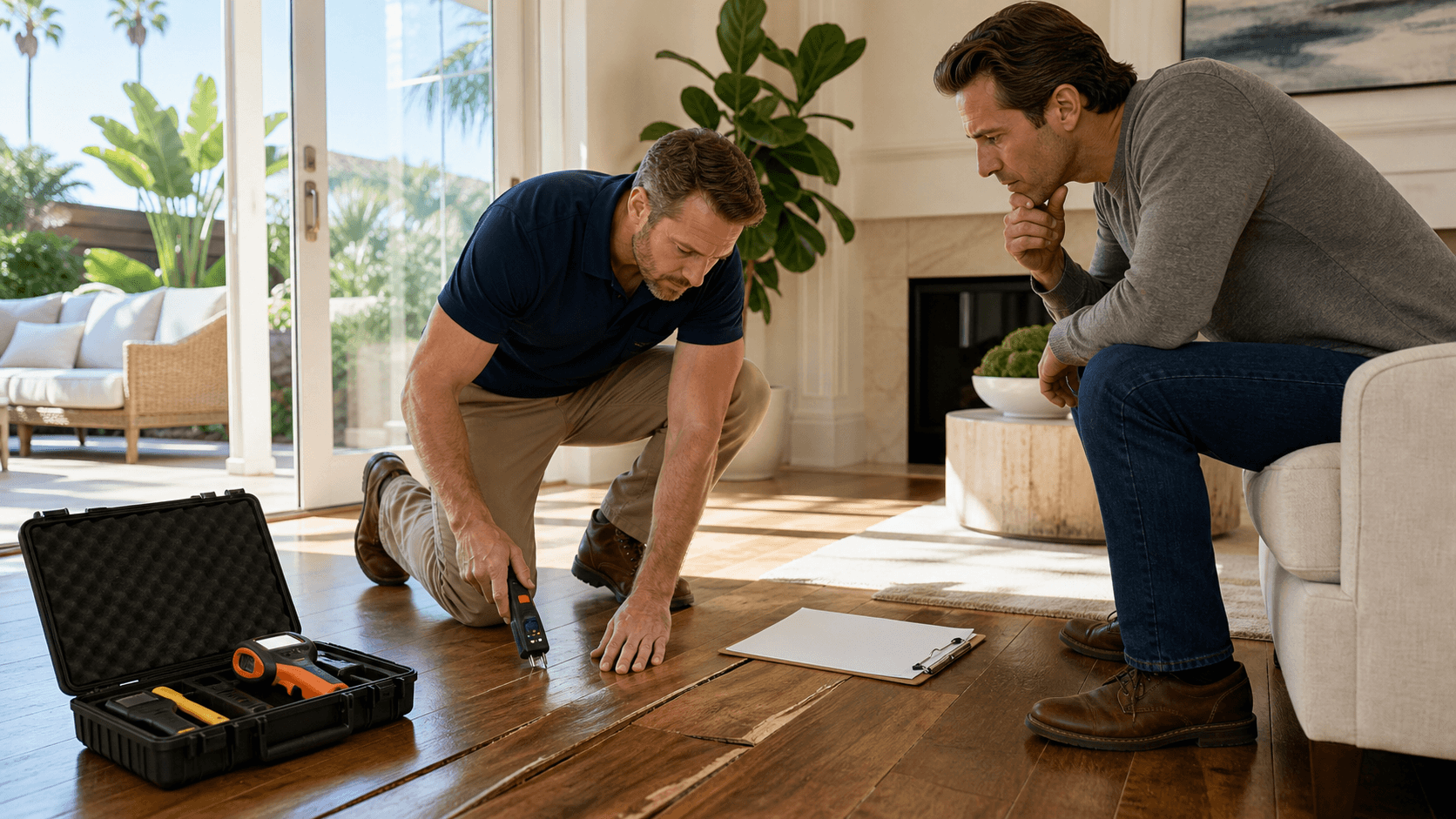
- Wood floors are more sensitive to moisture. Even a small amount trapped in the subfloor can lead to buckling or gaps during dry seasons.
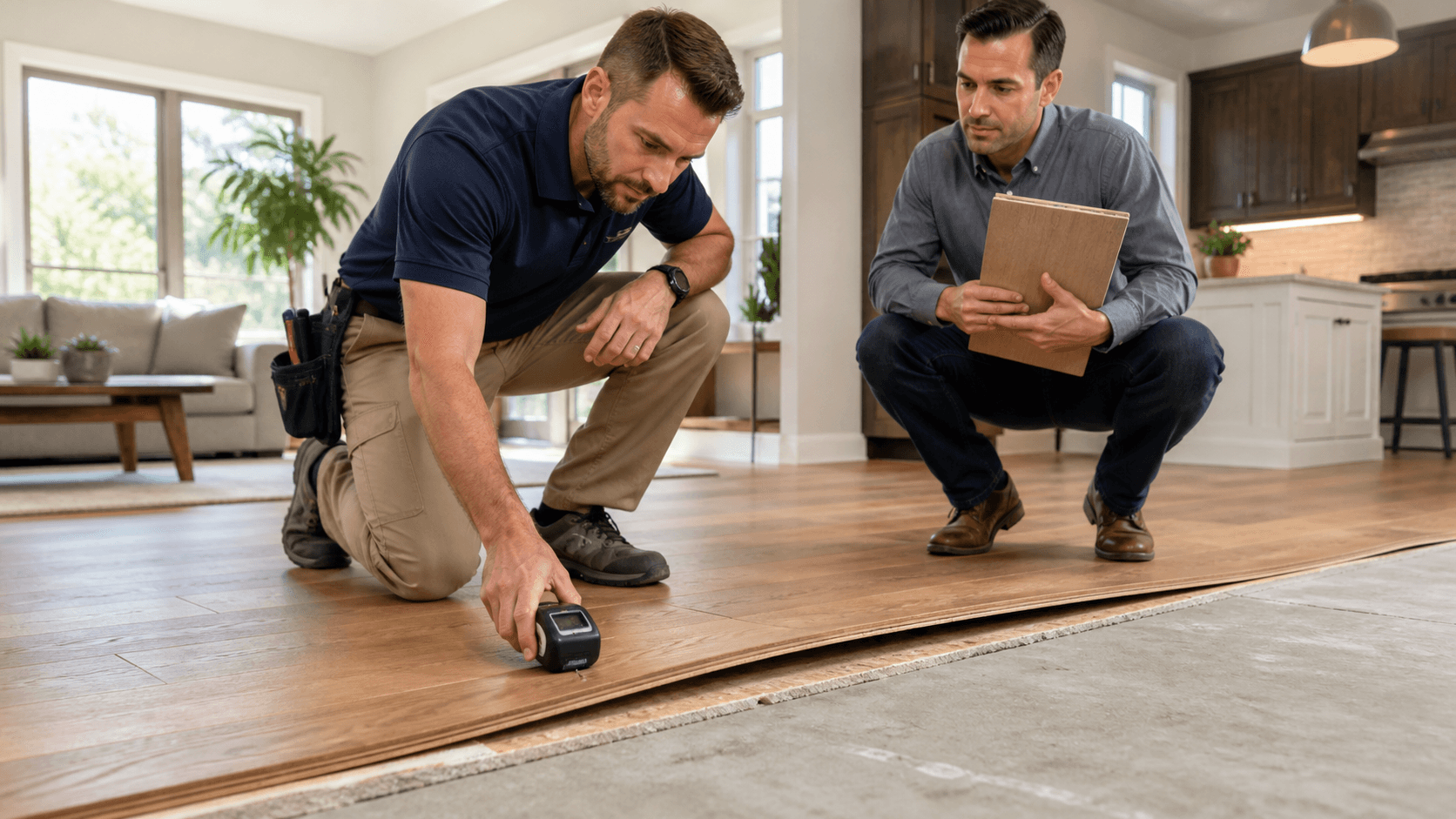
- Laminate and vinyl need flat surfaces since their locking systems rely on tight joints. Any bumps or dips underneath can cause sections to lift or wear faster.
Using the wrong type of inspection, or skipping it, means we may miss hidden moisture, movement, or surface issues that affect each flooring type in different ways. What works for wood does not work for tile, and what works for floating floors does not make sense when glue is involved. That is why choosing the right method matters more than most people realize before installation begins.
- At OC Flooring Inspection, our substrate inspection services in Orange County include both concrete moisture testing and wood subfloor assessments, helping property owners and contractors make the right call for each material type.
How Substrate Conditions Change with the Season
In Southern California, fall tends to bring mild, dry conditions which make it easier to inspect surfaces without the threat of heavy humidity skewing results. But it is also when we can detect problems left behind by the summer months.
- Heat during summer can cause concrete slabs to expand, then shrink slightly as temperatures drop. That shift may leave small cracks that were not there before.
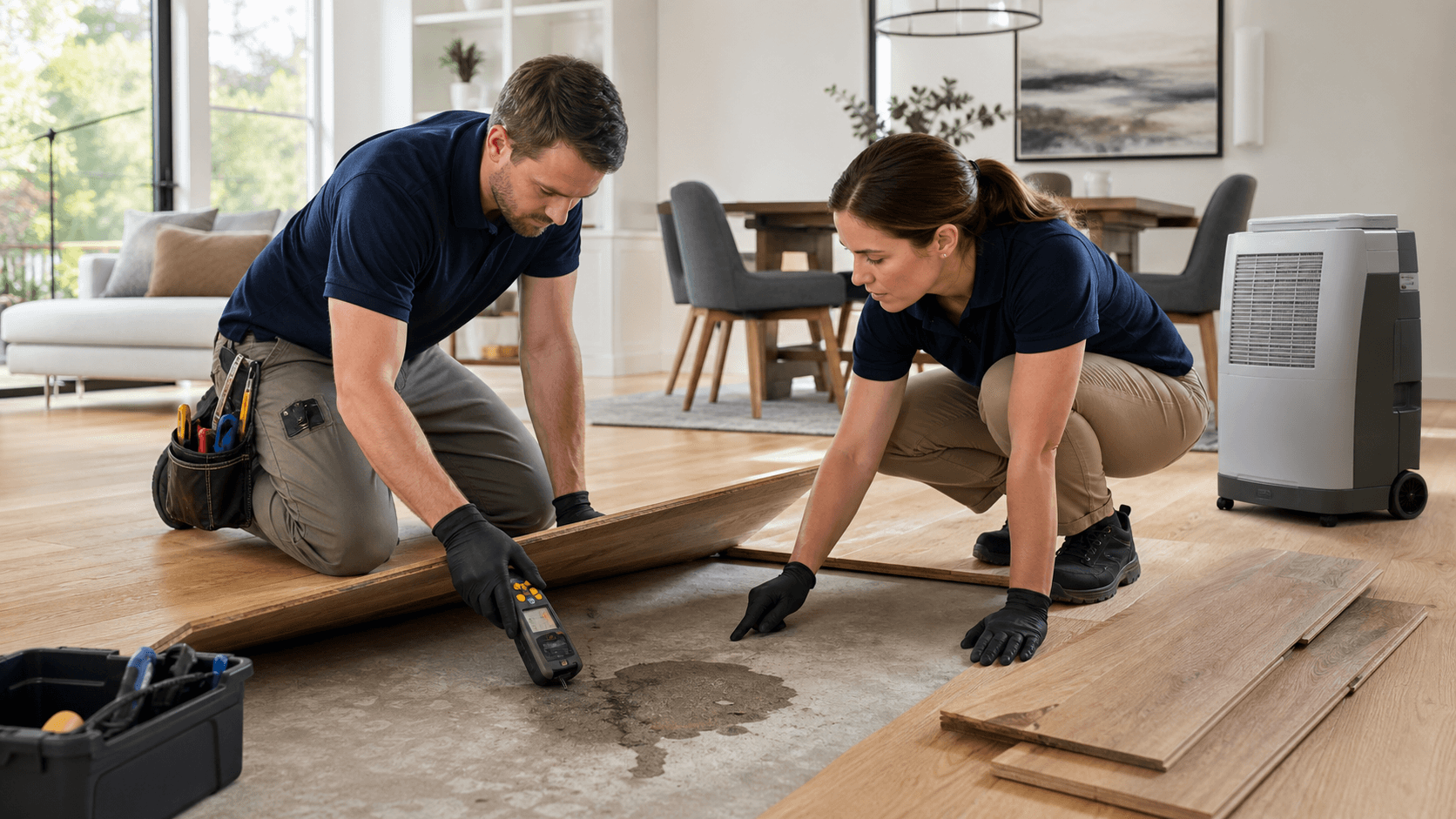
- Moisture that got trapped months ago may start to show now that the top layers are drying out.
- Air pressure and temperature shifts can affect how materials behave, especially if they are layered directly against concrete.
That seasonal change in conditions gives us a better reading of how the substrate is really performing. Testing during early fall helps confirm whether the surface is stable enough for new flooring or if repairs need to happen first.
Matching the Right Inspection Method to the Project
Substrate inspection does not use a one-size-fits-all approach. We use different tools depending on the material type and the project plan.
- For concrete subfloors, moisture testing is usually first. We might place calcium chloride kits or use moisture meters to get a clear sense of what is inside the slab.
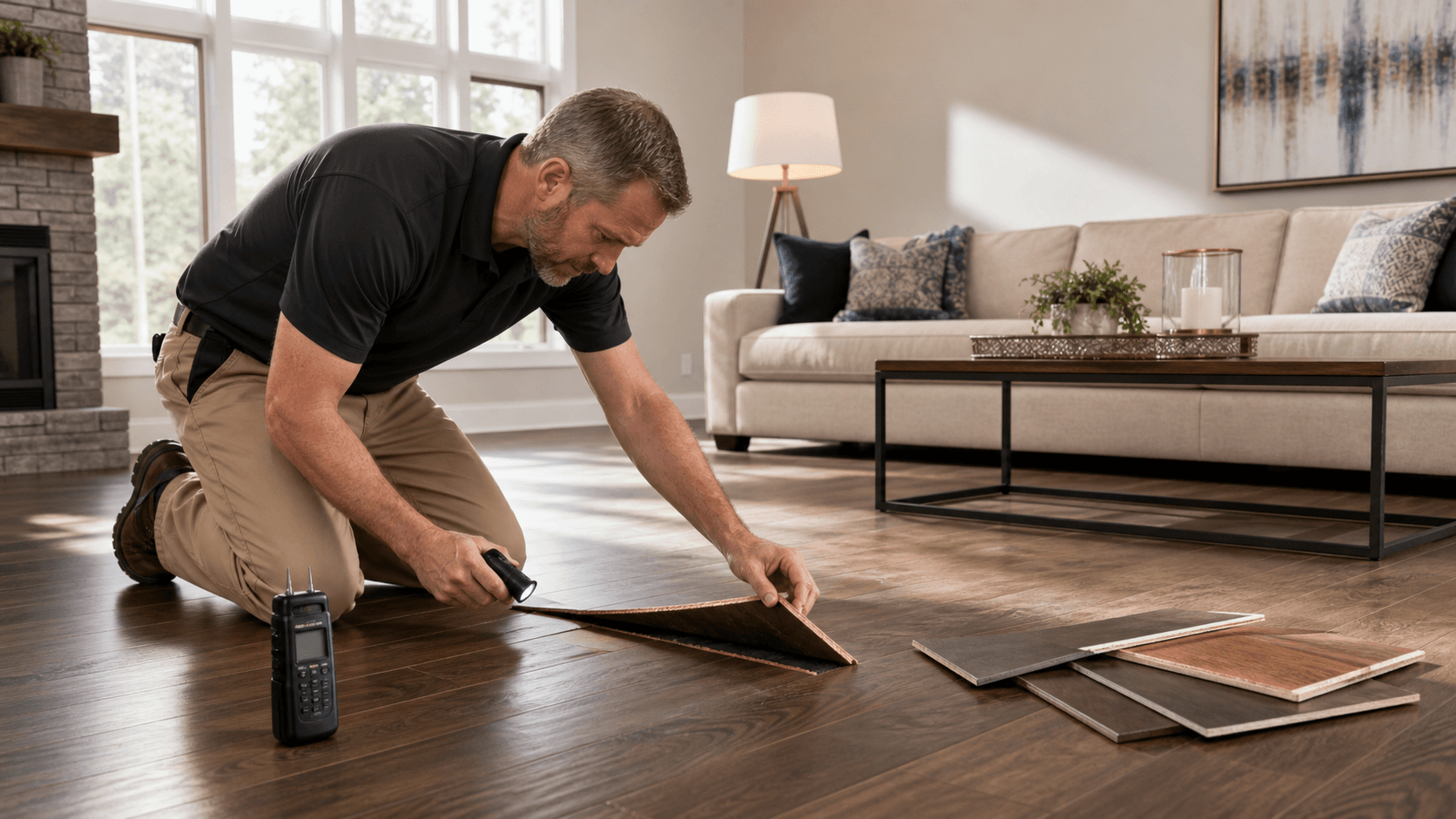
- For wood substrates, we look for deflection or movement and test for areas of softness, mold, or prior water exposure.
- Visual checks still matter too. Cracks, stains, or signs of prior patch repairs can signal larger issues that went unaddressed.
We also factor in the home's history. If there has been a water leak, foundation work, or major repairs in the past, we take a closer look. Raised subfloors, crawl spaces, or slab-on-grade foundations each need their own approach. Knowing what kind of structure we are working with helps shape how deep we go into inspection and which testing method fits best.
- Inspection reports from OC Flooring Inspection are detailed, objective, and suitable for use in warranty records, insurance planning, or routine property upkeep.
Signs That It's Time to Schedule an Inspection
Even if a floor looks fine on the surface, there are signs that something may not be right underneath. Fall is a great time to catch these signals before any kind of flooring work begins.
- You feel movement or dipping when walking across certain spots in the room.
- Corners are peeling up or showing small gaps, especially in older vinyl or laminate.
- Grout has cracked, or tiles look uneven along the edges.
- You are switching from one flooring type to another, like from carpet to plank flooring or from vinyl to tile.
Each of these can point to hidden issues with the underlayer, whether it is moisture, slope, or general wear. It is better to find that out early before installing something new on top of a weak or unstable base.
The Long-Term Value of Good Inspections
We have seen floors that make it through a full remodel only to fail because of something that was not caught underneath. That kind of setback costs time, money, and a lot of frustration. A proper inspection clears up what you are really working with so that floors can hold up better over time.
- A floor that starts on solid ground will not shift as easily during colder nights or warmer fall days.
- Substrate inspection services can prevent mid-project delays, like having to rip out part of a new floor because of unexpected humidity readings.
- Proper inspection steps also reduce the chance that a floor will not meet warranty coverage if something goes wrong.
In the long run, a strong base means fewer repairs and less waste. It removes the guesswork and keeps things simple. That is especially helpful for older homes or places that have had previous floor issues year after year.
A Smoother Start Leads to Fewer Problems Later
Subfloor conditions might not be exciting to think about, but they can quietly decide how well a floor performs once it is installed. When we match the inspection process with both the floor type and the time of year, we take out a lot of the risk.
With cooler months around the corner, now is a smart moment to look deeper into what is supporting your floors. Whether it is just one room or a full-property remodel, starting with the right checks makes everything that follows more dependable. Getting it right from the ground up makes all the difference.
Before starting your next flooring project, understanding the condition of your foundation is important. Heat, moisture, and time can create hidden concerns, and not all floors reveal issues until it is too late. That is why our substrate inspection services are structured to give you clear, accurate insights before installation. At OC Flooring Inspection, we customize each inspection to your specific floor type for thorough results. Contact us today to schedule your appointment.