Fall in Orange County gives us that short window when temperatures ease up and homes stay dry before winter rains set in. It is also when many people start thinking about home updates ahead of the holidays. With flooring projects, that means timing is everything. A pre installation floor inspection helps make sure the space is ready before anything gets installed. It is a check that can save a lot of confusion, wasted materials, and return visits later on.
This kind of inspection looks below the surface. It gives homeowners and contractors a clearer picture of what they are working with, lays out any obstacles in advance, and gives flooring the best shot at lasting the way it should. Since schedules can fill fast this time of year, getting inspections done in early fall helps keep things moving without stress.
What Happens During a Pre Installation Floor Inspection
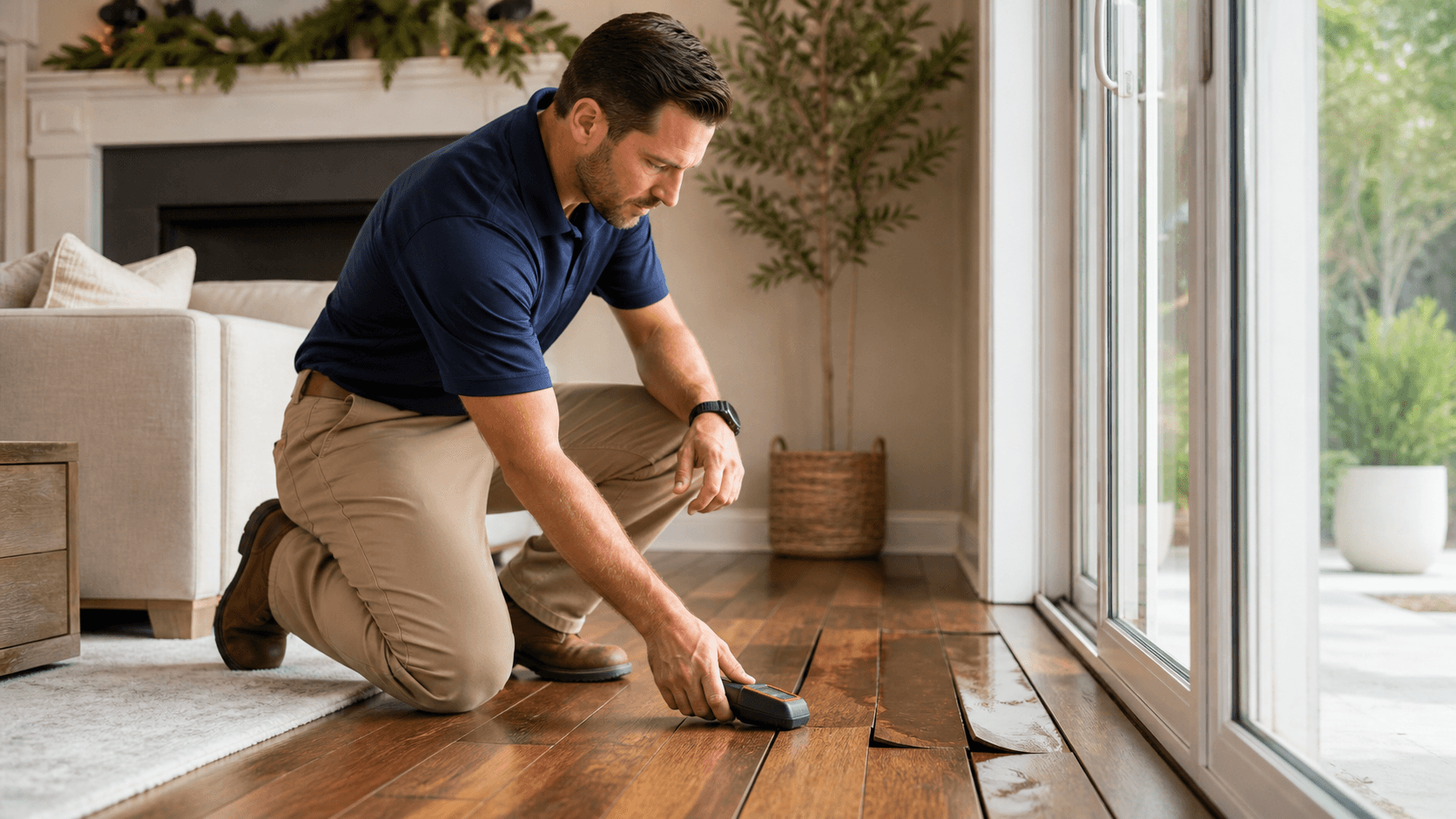
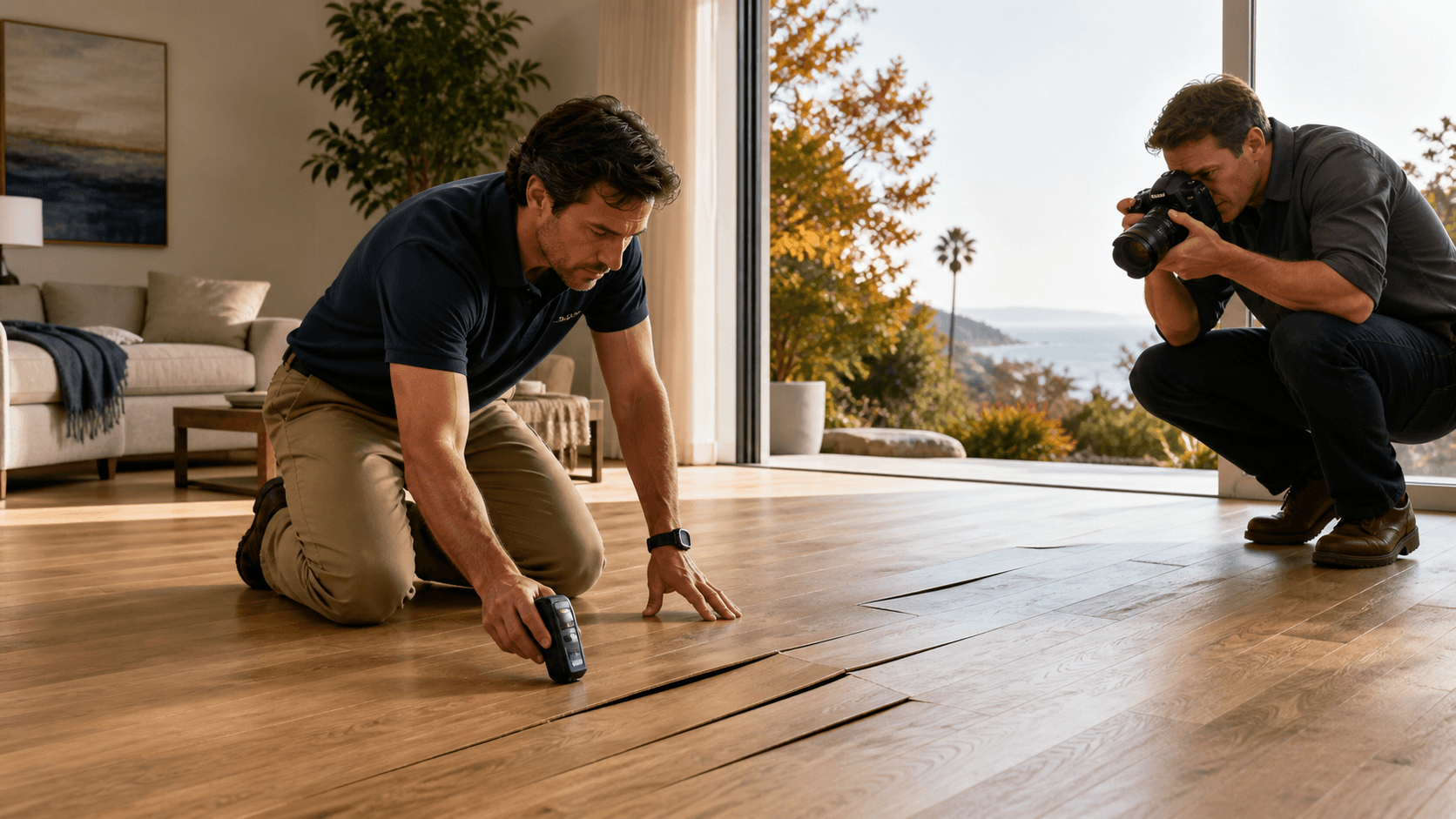
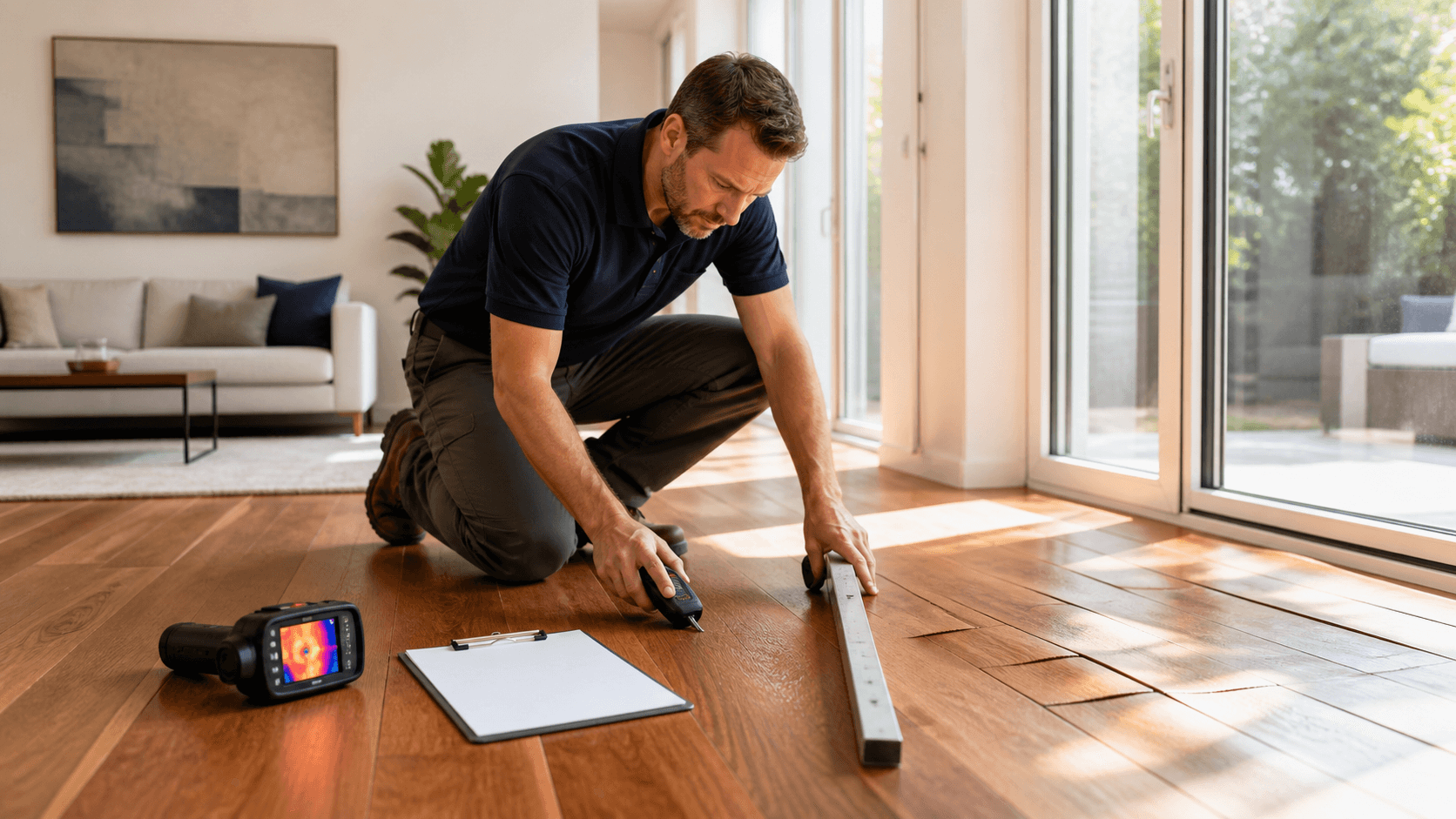
When we check a floor before installation, we are not just glancing over the surface. We take time to assess several major factors that will impact the outcome of the job.
- We check the subfloor for flatness. A surface that is too uneven can cause flooring to lift, crack, or wear out faster.
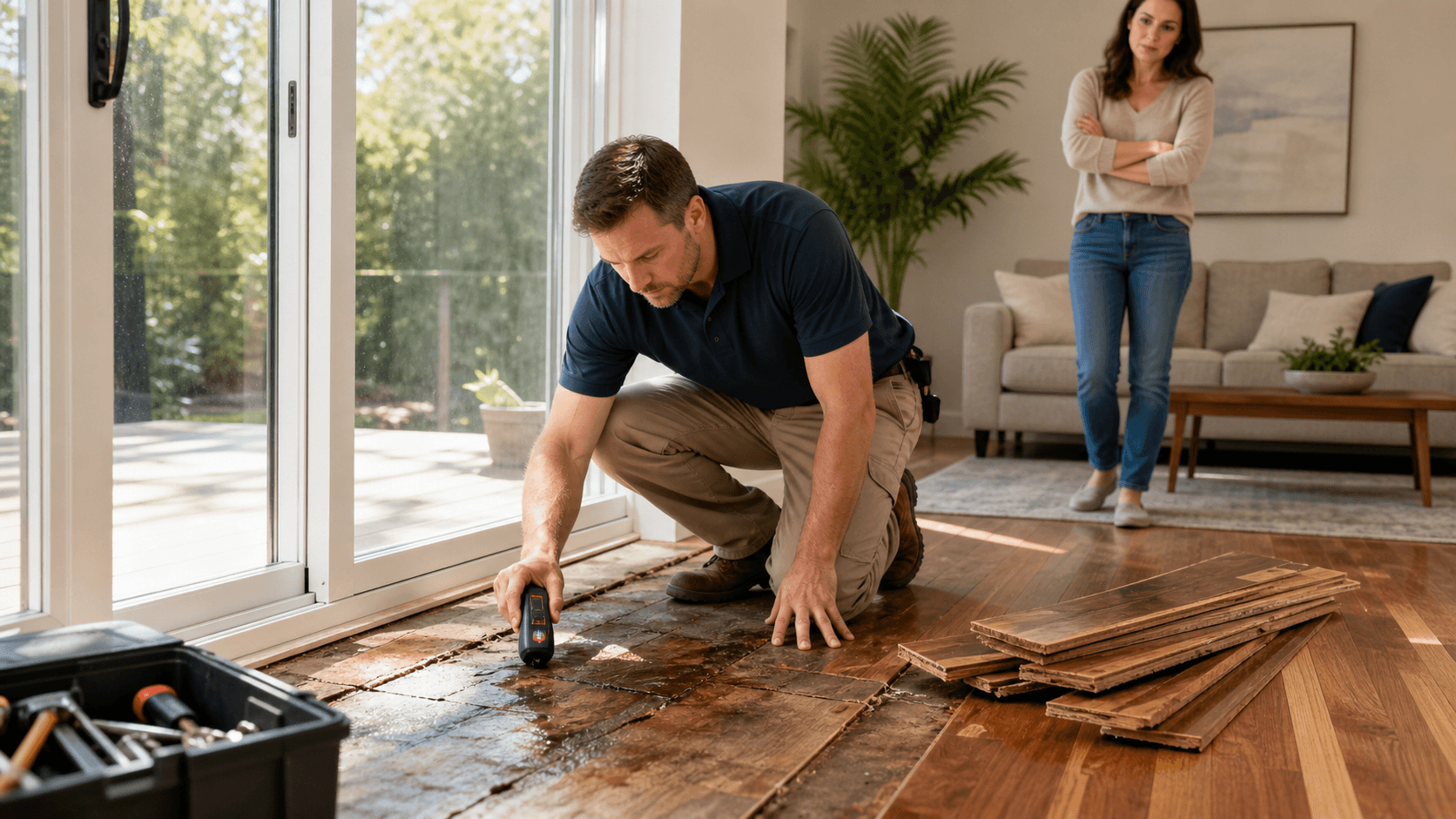
- Moisture levels are key. If there is leftover moisture trapped under the surface, it can cause major bonding problems later.
- We also look for old damage, like cracks or spots where past work may have been patched poorly.
- OC Flooring Inspection follows California building codes and holds a contractor license, making sure every inspection is performed to local standards.
The room itself matters, too. We take temperature and humidity readings to make sure the space is within range for proper installation. If conditions are off, it is better to catch that now instead of dealing with warped boards or lifting tiles a few weeks down the road.
Why Fall Is an Ideal Time for New Floors
Fall hits a sweet spot in Southern California. It is usually warm enough to keep doors open, but not so hot that everything dries too fast or adhesives fail. This balance makes it easier for flooring materials to settle and bond the right way.
- With school back in session, many households have more quiet time during the day to get work done
- There is less humidity, which means fewer surprises when it comes time to glue things down
- People often want their homes looking sharp and finished before guests come for the holidays
This mix of weather and timing makes it easier for everything to go smoothly, from planning to install. Waiting too long into winter can add the risk of damp conditions or tight project timelines around holiday closures.
Issues That Can Be Missed Without an Inspection
Skipping a pre installation floor inspection may not seem like a big deal at first, especially if the surface looks okay at a glance. But a lot can be hiding under floors, and even small issues early on can turn into bigger repair bills later.
- Moisture from summer heat can stay stuck in concrete subfloors, especially if there has not been good air flow
- Uneven spots might go unnoticed until floorboards start making noise or lifting under pressure
- Gaps around doorways or between slabs and walls can allow drafts or water to sneak in
- OC Flooring Inspection provides certified reports that help property managers, homeowners, and contractors avoid warranty issues and project delays
When these details are not caught in time, the new flooring can fail fast or make the space feel uneven and uncomfortable. That is why it helps to catch them while everything is still fully accessible.
How a Smooth Subfloor Improves Results
Once a subfloor is ready, flat, clean, and dry, everything above it benefits. Adhesives are more likely to bond well. Boards are less likely to shift or come loose underfoot.
- A flat surface helps flooring material stick and sit the way it should
- Fewer dips or bumps means fewer pressure points and fewer gaps over time
- The whole room feels more solid when there is nothing unexpected moving or sinking beneath the finish flooring
Good prep improves not only how the floor looks, but how it feels day to day. That means better comfort, cleaner lines, longer durability, and fewer calls for repairs.
Better Installs Start With Strong Checks
We have seen how much smoother projects run when potential problems are caught early. When inspection happens first, there is time to fix what is wrong. That keeps follow-up labor down and helps avoid delays that come from uncovering surprises mid-install.
- Checks done before installation give contractors time to prepare properly without rushing
- They reduce back-and-forth or the need to redo work once flooring is down
- For flooring that comes with a product warranty, having the subfloor inspected can help backup the install with the records needed
Fall can get busier than people expect. Between school events, holiday plans, and end-of-year schedules, projects that get pushed too late often fall behind or get rushed. Having the flooring space looked at early keeps us on track without stress.
Get Ahead of Flooring Problems Before They Start
Once the floor is in, it hides everything underneath. That is why checking things out before installation makes such a big difference. If we wait until something goes wrong, it usually costs more and takes longer to fix.
Planning ahead during the fall gives everyone more freedom to get the work done right. It creates better outcomes with fewer worries and helps set up the space for comfort through every season. Fall is naturally a time of change, and a well-timed inspection helps make sure that change is a good one.
Getting ready for a flooring project means knowing what's under the surface before anything goes down. That's why we always recommend starting with a proper check of the space, especially when timing matters. Our pre installation floor inspection helps catch issues early so flooring goes in smooth and stays that way. We've worked across Orange County and know what to look for in every room, whether it's concrete, wood, or something in between. Contact OC Flooring Inspection to schedule yours before the busy season kicks in.