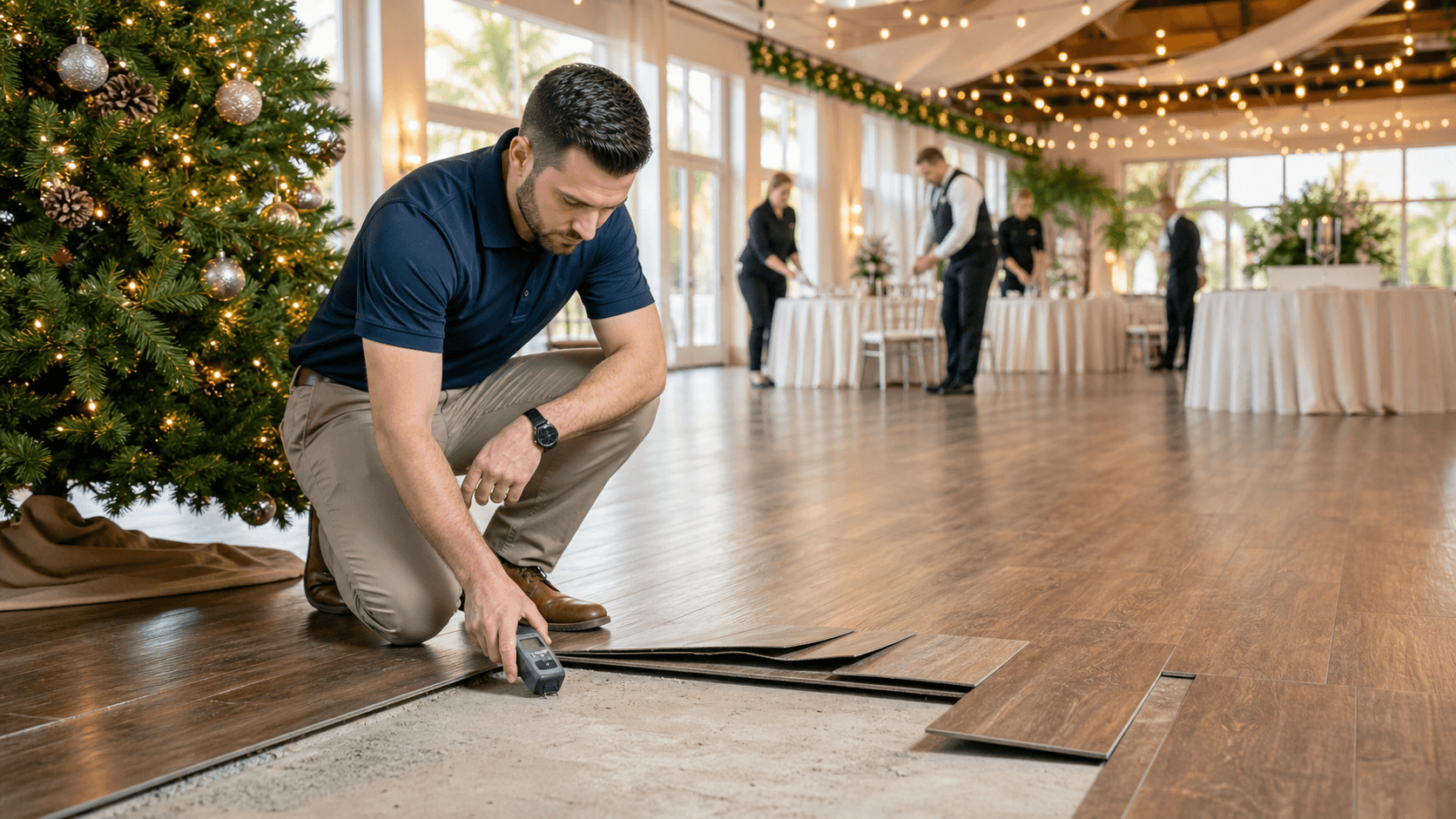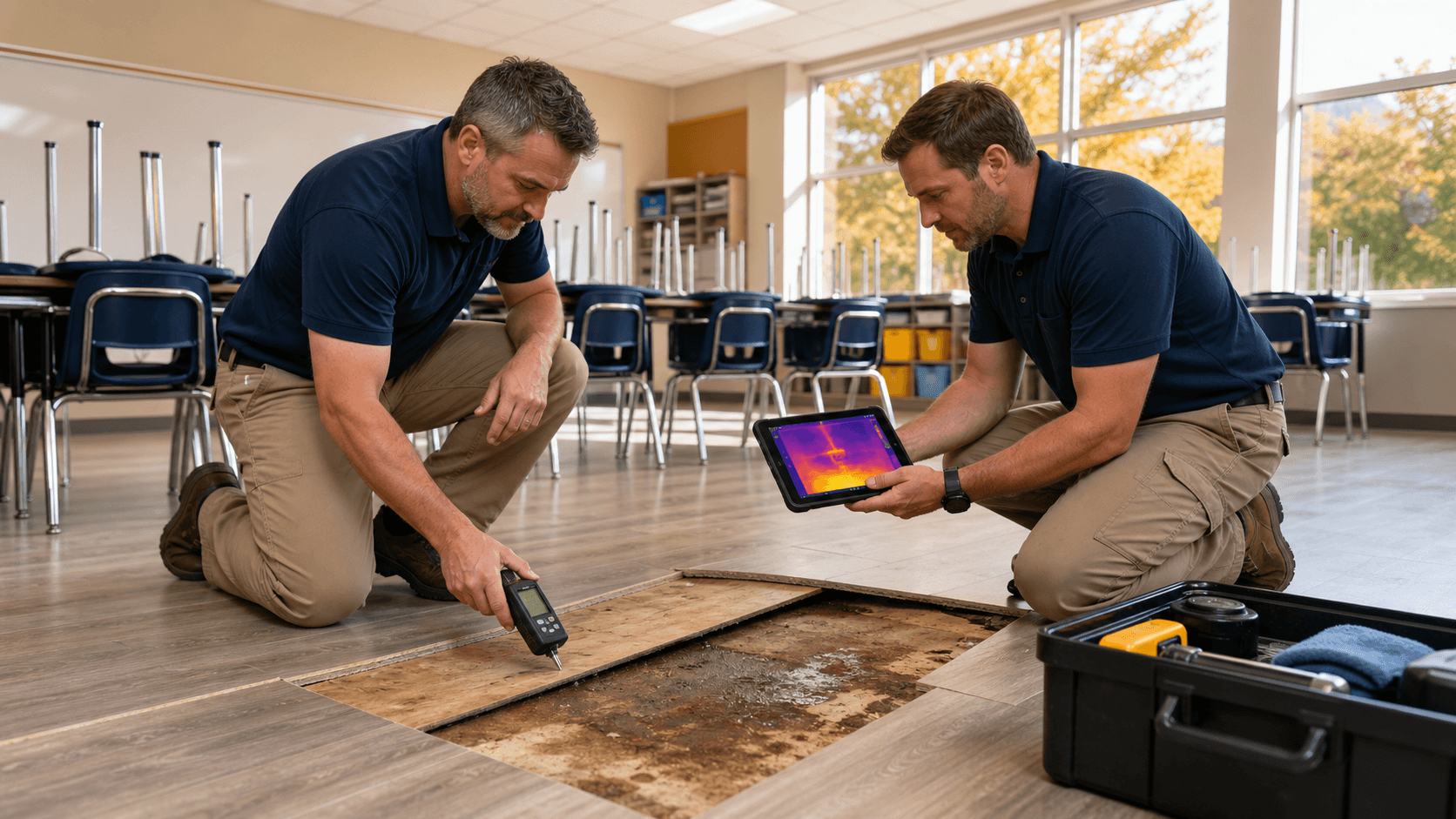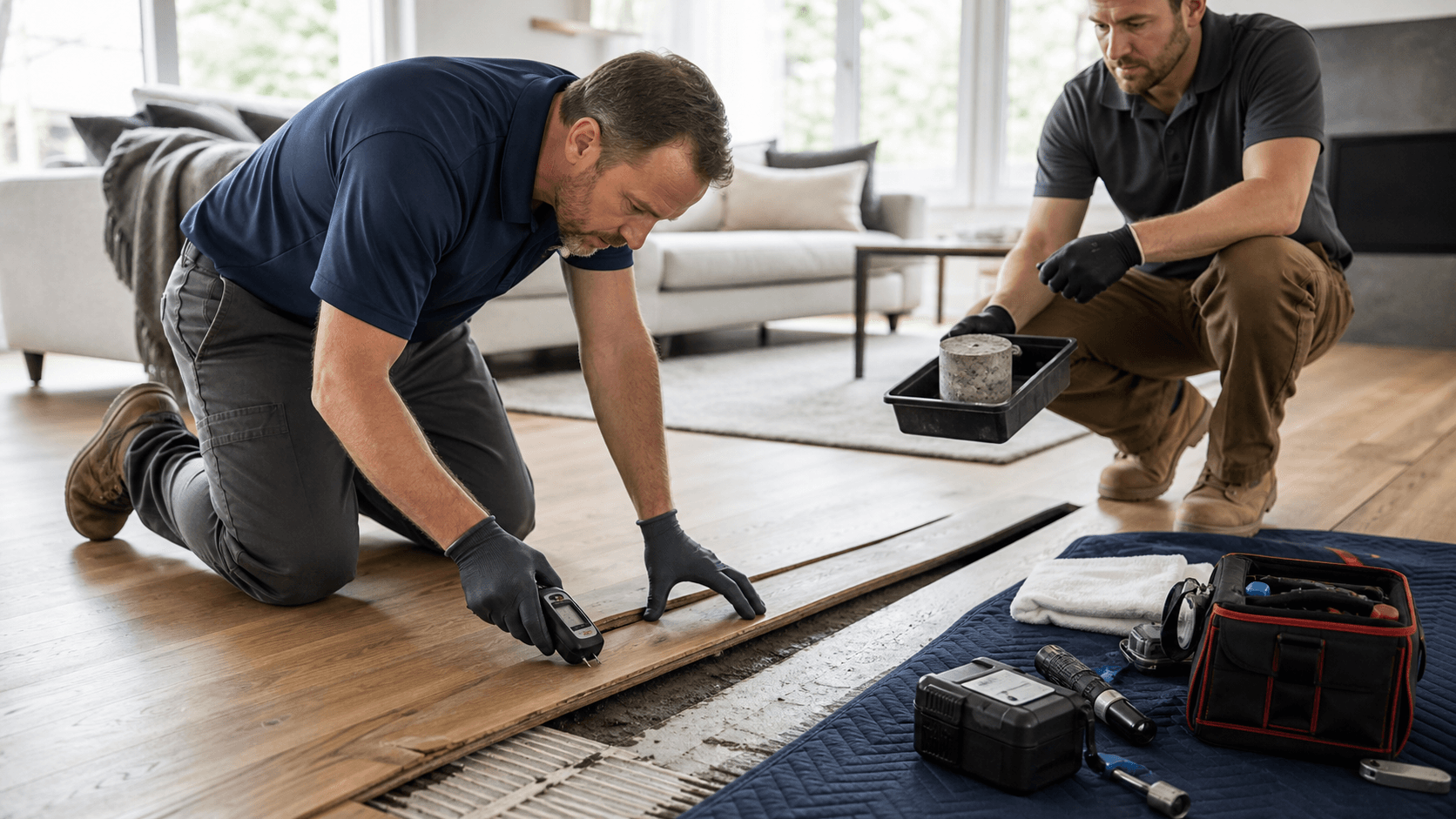
Fall tends to be a busy season for retrofit work across Orange County. The weather is mild, crews are back on regular schedules, and many property owners want updates done before the wet season begins. Even with the best planning, one of the steps that can delay progress is moisture under the surface, especially when installing new flooring. That is why it is worth asking the right questions about concrete substrate testing before work begins.
Concrete looks solid and predictable, but the way it behaves underneath depends a lot on past treatments, current conditions, and how it is tested. When we help prepare spaces for new flooring in early fall, we spend extra time helping people know what to ask up front. It helps make the test more reliable and avoids the surprises that can cause schedule slowdowns when moisture is not caught early.
Does the Space Need to Be Conditioned First?
This part often gets skipped, but it matters more than people think. The temperature and humidity inside a building can affect test readings more than any surface condition. If the space has not reached steady indoor conditions yet, there is a good chance the results will not reflect what it will be like once the new floor is installed.
- We recommend letting HVAC or temporary climate systems run long enough to keep the space stable
- Rooms should match typical indoor-use conditions for about 48 to 72 hours before we begin tests
- Skipping this step can lead to false moisture readings, which may cause people to choose the wrong glue or floor type
- At OC Flooring Inspection, our certified team follows industry standards and documents environmental conditions in all inspection reports for clients across Orange County
Especially in fall, when some mornings are cool but afternoons heat up fast, we pay close attention to how the building's environment shifts. We do not want results that reflect temporary highs or lows. Instead, we aim for the conditions floors will experience in real life, not just at the moment of testing.
What Type of Testing Will Be Done and Why?
Not all moisture tests are the same, and not all of them are helpful in every case. This is where materials come into play. What is going above the slab, vinyl, hardwood, tile, carpet, or something else, affects how we decide the best type of test.
- Surface testing methods use small devices to measure relative humidity or moisture levels at the top layer of the slab
- In-slab probes are placed into drilled holes and monitor humidity levels inside the concrete
- Calcium chloride kits can measure vapor emissions over time
Certain adhesives and underlayments react badly when installed over a slab with too much trapped moisture. Skipping the best-fit test can mean guessing how dry the concrete really is, which can lead to floor movement or delamination later on. We use the test method that best matches the flooring material so the final result holds up during seasonal changes.
How Old Is the Slab and Has It Been Treated Before?
One of the biggest curveballs in retrofit projects happens when the slab seems clean on the surface, but old treatments or leveling compounds interfere with test results. That is why we always ask about the slab's history.
- Past coatings like epoxy, sealers, or paint can limit moisture evaporation and change how the slab behaves
- Patches and old repairs may respond differently to humidity than the surrounding areas
- Any history of floor failure in the space can help us decide which parts of the slab to test
- We often see old surface barriers or previous repair attempts in our Orange County inspections, and document these factors so retrofit projects can avoid old problems repeating under new floors
These pointer questions help us piece together a story of how the concrete has been used, and sometimes misused, over its lifespan. If the slab was sealed years ago and that sealer was not removed, it might still be holding moisture underneath. That situation should be flagged before a new floor gets glued down on top of it.
When Will Results Be Ready and How Should They Be Used?
Once testing begins, it is natural for people to want answers right away. We get that. Retrofit timelines matter. But good testing takes a little time. Depending on the method used, it could take a few days before reliable numbers are ready.
- Most tests need 24 to 72 hours to collect readings that reflect real conditions
- Rushing to install after testing, even by one day, can cancel out the value of testing in the first place
- Results should be reviewed calmly so the project team can make smart material choices and avoid seasonal risks
- OC Flooring Inspection provides written results and expert guidance to help clients coordinate repairs, moisture control, and flooring selection efficiently
In fall, wet ground and rising indoor heat can mix in ways that confuse the outcome. We recommend giving the test the full time it needs and then taking a clear moment to decide how to move forward. It is a short pause that helps the rest of the job go smoother.
Laying the Groundwork for a Smooth Retrofit
Every property is different, but asking the right questions about concrete substrate testing gives the retrofit a much better shot at staying on track. When we walk this process with clients, they often do not realize how much changes between the start of fall and the start of winter. Moisture levels rise, buildings warm up inside, and hidden dangers under the slab can start to surface.
By confirming space conditions, test methods, slab history, and result timing ahead of the flooring install, your project has a much better chance of making it through the season without setbacks. These are the kinds of checks that do not take much time but add real value to the overall work. A solid plan starts under the floor, not just on it.
Planning a flooring retrofit in Orange County this fall means staying ahead of any surprises beneath the surface. At OC Flooring Inspection, we take the time to assess what others often overlook, from environmental preparation to slab history. When questions arise about how building conditions or previous treatments could impact your project, our certified approach to concrete substrate testing helps you avoid costly delays. Let our experts get the groundwork right before installation begins, and call us today to schedule your inspection.