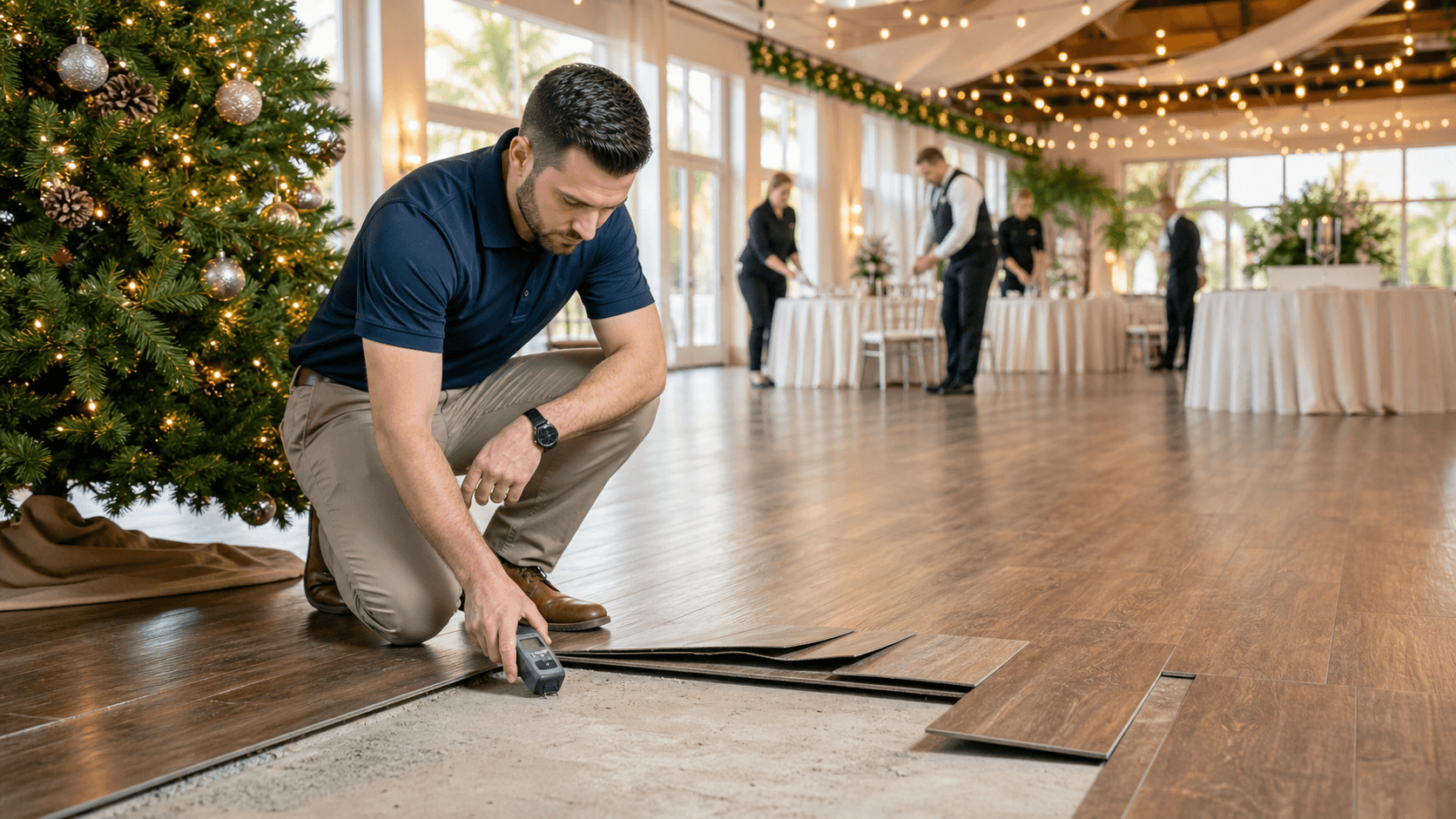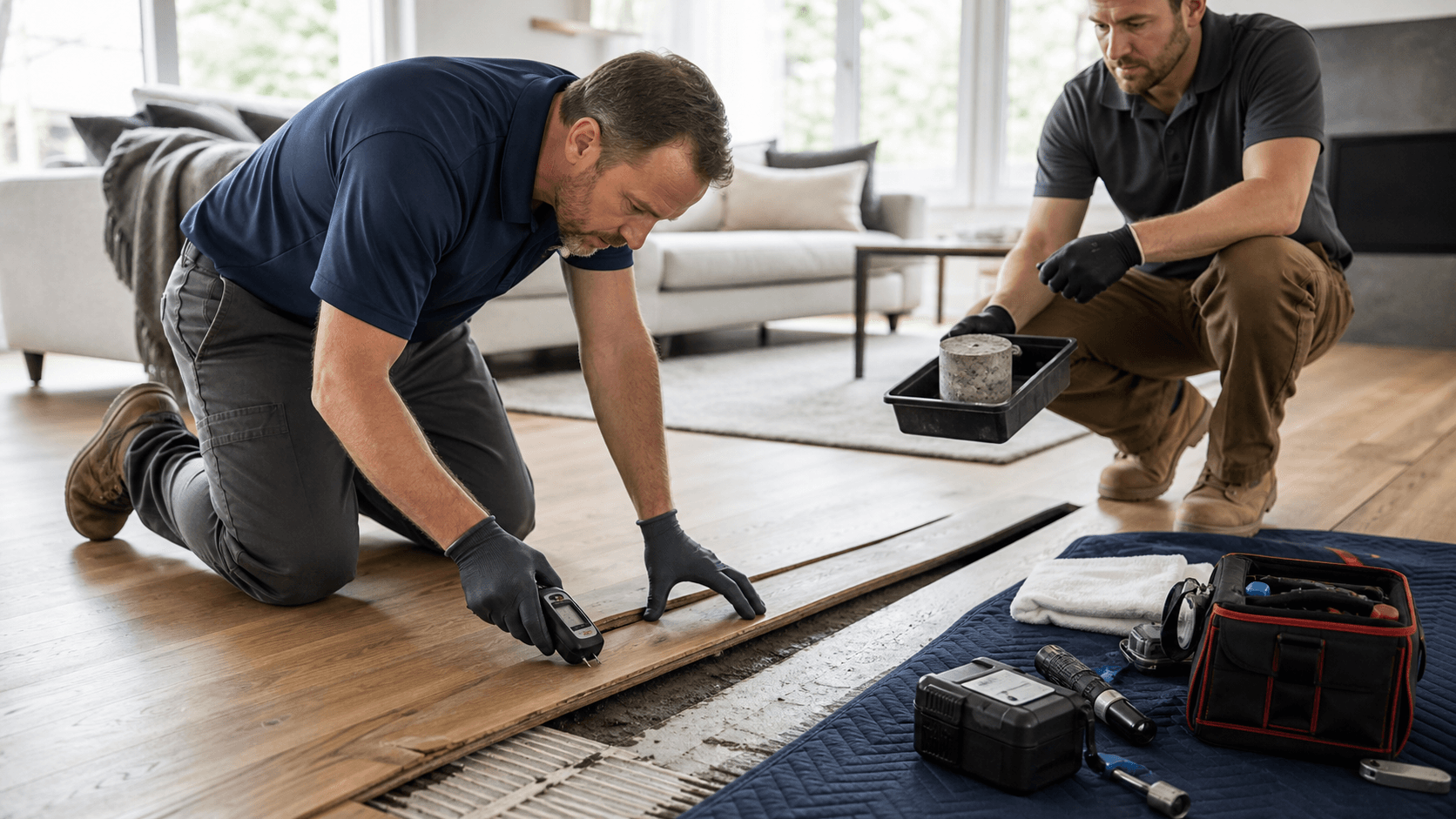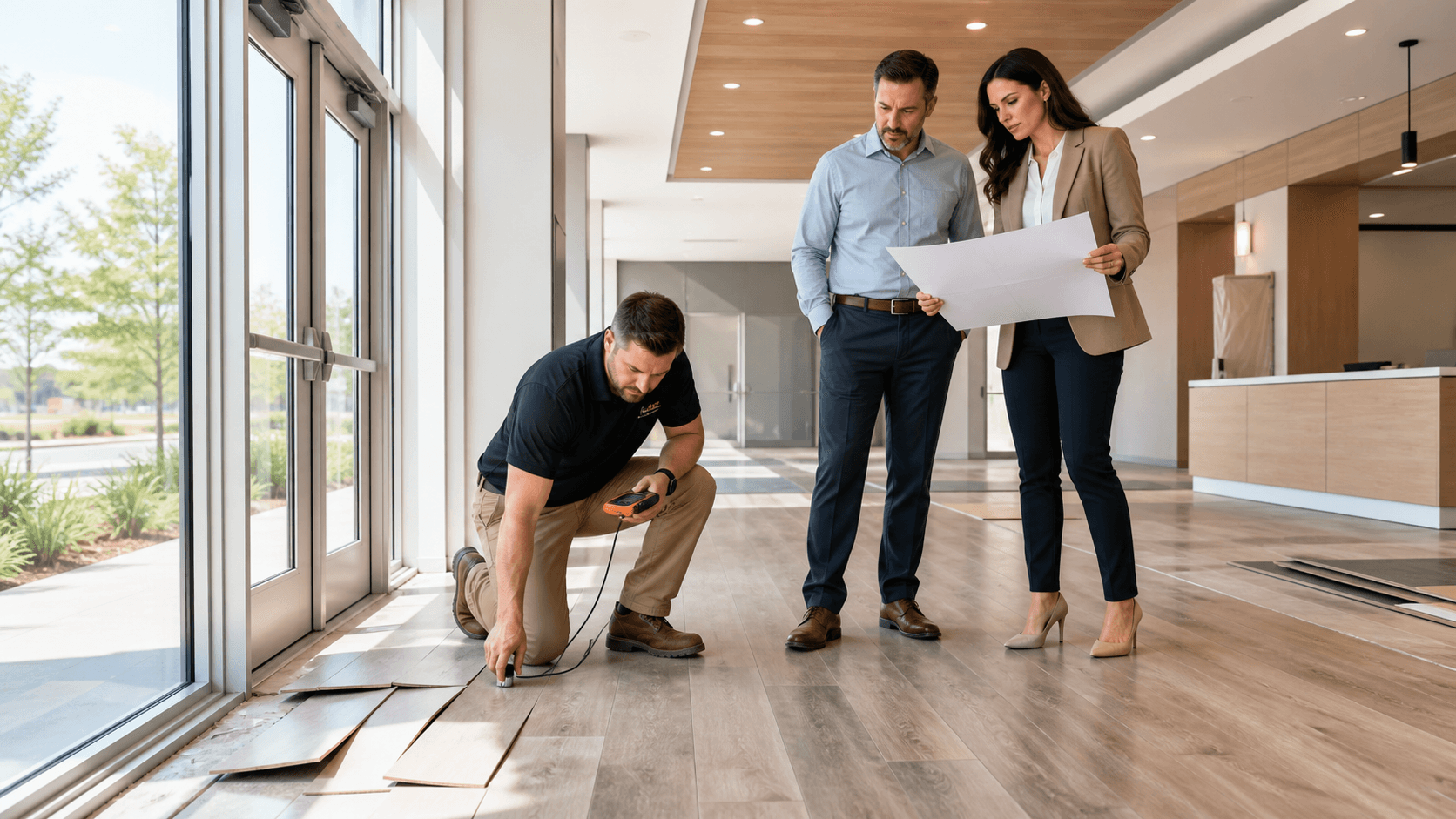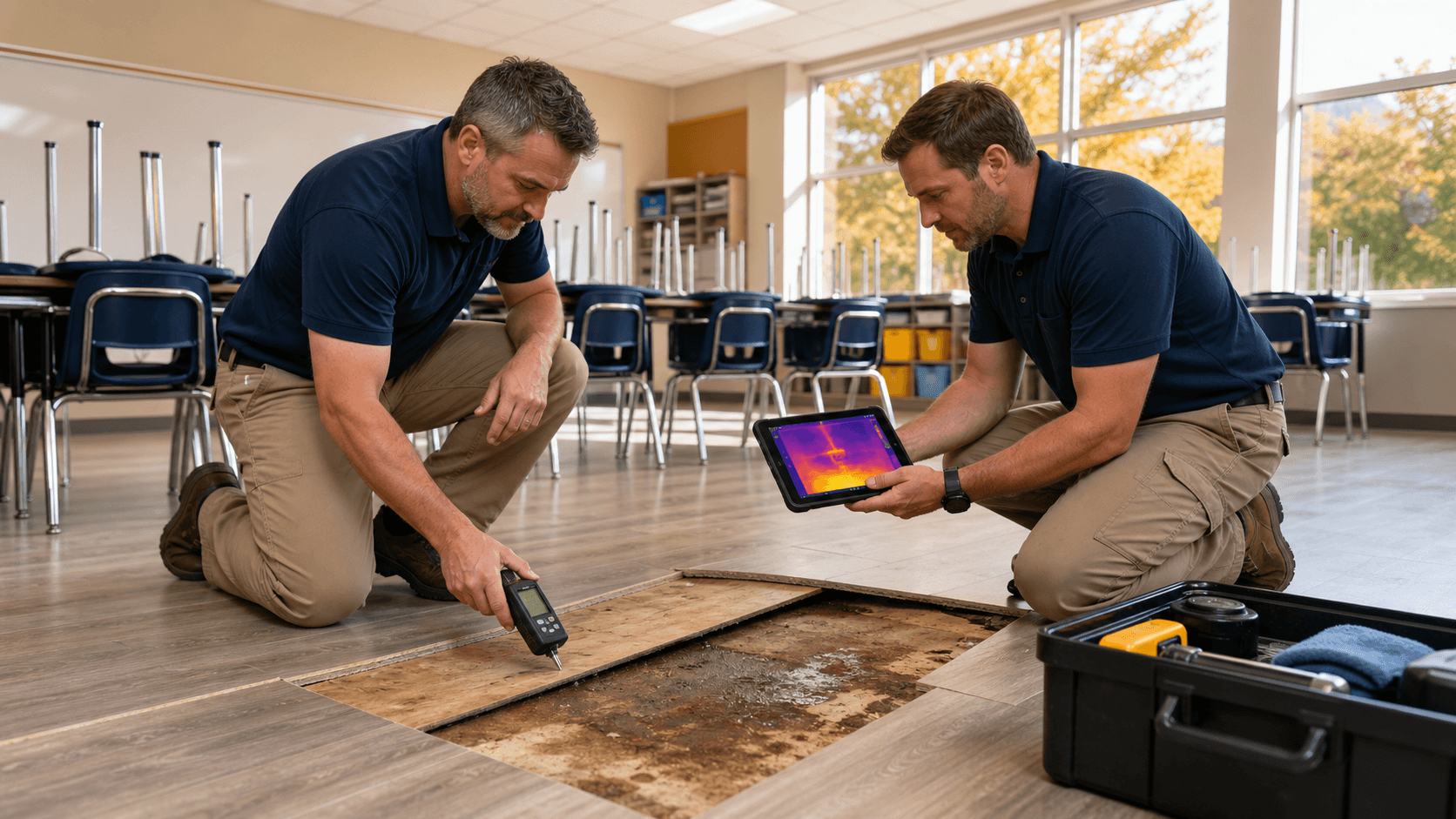
Fall in Orange County brings shorter days and cooler mornings, which makes it the right season for schools to focus on maintenance that gets overlooked during the busy school year. Subfloor inspection services help spot early signs of trouble before they spread under classroom flooring or hallway tiles. When floors are in constant use, surface-level damage might be easy to see, but what's happening underneath isn't always obvious.
Busy schools feel the wear in every square foot, from students moving between classes to janitorial machines rolling across the building late in the evening. Once the fall semester picks up speed, flooring issues can get worse fast if no one checks beneath the surface. Getting ahead of it now can keep learning spaces safer and more stable long after the season ends.
Why Schools Need Subfloor Checks Before Fall Term
Before students walk through the doors and classes start up again, schools face a tight window to handle building updates. Floors are one of the most used systems in any school, but subfloors don't always get the attention they need.
- Common subfloor problems include soft spots that flex under weight, seams that creak when stepped on, and areas that feel uneven
- Moisture that settled in over spring or summer may still be trapped under flooring, especially near windows, older pipes, or areas with past leaks
- By starting the year with a recorded inspection, schools can use the data as a baseline to track ongoing damage and manage future maintenance schedules
- OC Flooring Inspection provides certified subfloor and substrate investigations as a standard part of school facility services across Orange County
Once the school fills back up, these warning signs often get ignored until something breaks or becomes a safety issue. A quiet pre-term inspection catches these risks early so they don't cause larger problems in the middle of the year.
Heavy School Traffic and Its Effect on Subfloors
Schools rarely get the chance to rest. Hallways see hundreds of students each day. Classrooms fill with movement, dropped backpacks, and rolling chairs. Over time, this nonstop pressure shifts the layers beneath the flooring.
- Rolling carts, science lab trolleys, and janitorial machines stretch seams and stress support boards
- Heavy foot traffic slowly presses connections loose, especially in areas where the subfloor was not reinforced during original installation
- Older buildings may still have wood or concrete sublayers that have not been checked in decades
- OC Flooring Inspection uses detailed moisture and movement testing tools to assess the structure and condition of subfloors, providing reports schools can rely on for planning repairs
The top of the floor might look fine, but those movements create stress patterns underneath. One missed inspection can let small issues like cracking adhesives or weakened joints turn into full flooring failures just a few months down the road.
Warning Signs That Mean It's Time for an Inspection
You don't always need to pull up flooring to know it's time to check below. The building will usually send out early clues. The problem is, they're easy to ignore.
- Squeaking or popping noises point to boards shifting or rubbing against loose supports
- Cracks and dips in vinyl or tile often show subfloor trouble, not just surface wear
- Smells that feel damp or stale, especially after rain, might connect to trapped moisture or mild water damage
These signs can seem minor in isolation, but they all relate to what's happening beneath the floor. When that layer starts shifting out of alignment or holding in moisture, the entire flooring system becomes unstable.
What Happens During a Subfloor Inspection
A subfloor inspection goes beyond the surface finish or floor covering. It's built to look at the condition of the support layer, the bonding points, and the material behavior under pressure.
- Inspectors scan for movement, softness, hidden water damage, or mold that might be forming under certain spots
- Tools like moisture meters, probes, or weight testers help measure things directly so feedback isn't just based on visual signs
- The difference between this and a general walk-through is depth, a surface check stops at what you see, while subfloor inspection goes into what holds the floor together
- Reports from OC Flooring Inspection are written to help school maintenance teams and property managers prioritize repairs based on real findings
These inspections make it easier to plan around repairs rather than reacting when a section of flooring sinks or shifts mid-semester.
Staying Ahead of Bigger Repair Costs
When minor problems are caught early, they often cost a lot less to fix. A shifted panel or damaged seam can be handled in a weekend. But if it spreads, you're looking at floor replacements, scheduling disruptions, and sometimes structural corrections.
- Early fall offers a small window after summer break and before winter performances or holiday events
- Most repairs or reinforcements are easier to complete before the rainy season or winter activities crowd the schedule
- Connecting subfloor inspection services to maintenance planning helps avoid recurring damage every academic year
This isn't just about saving money. It's about using the short calm before the busy season to protect long-term building safety.
Building Safer Learning Spaces from the Ground Up
Catching problems under the floor isn't about being perfect. It's about being prepared. Fall inspections give schools a chance to fix quiet problems before the school year gets busy.
When floors feel solid underfoot, students and staff can move through their day without thinking about what's holding them up. That peace of mind starts with strong subfloors. Planning these checks each year shows care, not just for the condition of the buildings, but for the people inside them.
Scheduling a deeper floor evaluation before winter can help you address potential issues early, reduce repair costs, and keep your school's high-traffic areas safe for daily use. Our team uses specialized tools to assess structural movement, moisture, and hidden damage, giving you thorough results you can trust. To learn more about how our subfloor inspection services support schools across Orange County, contact OC Flooring Inspection today.