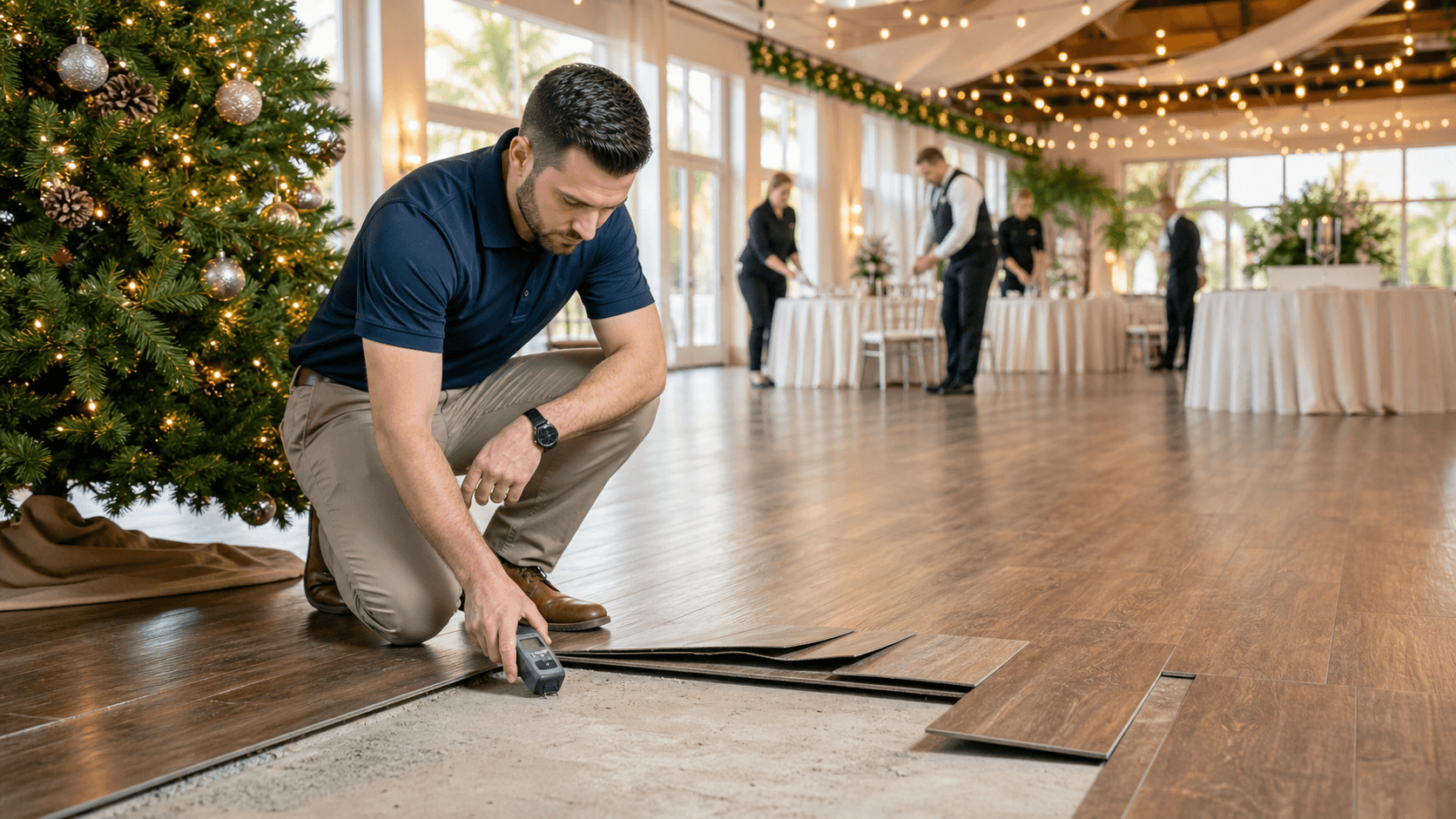
When a commercial space is being prepped for renovation, floors are often treated as an afterthought. It's easy to focus on new lighting, fresh paint, or the new furniture plan and miss what's happening underfoot. But skipping an inspection at the start can lead to problems down the line. A commercial flooring inspection gives property managers and business owners a clear picture of what they're working with before making big decisions.
By the time August rolls around in Orange County, many businesses gear up for renovation work to avoid disruptions during the fall and winter. Flooring carries the wear of daily traffic, spills, shifting furniture, and seasonal moisture that can seep into sublayers. That's why checking the condition of the floor before starting helps steer project plans in the right direction. It can protect the budget, and it keeps surprises to a minimum once things are underway.
Understanding the Current Condition of the Floor
The surface might look fine at first glance. A few scratches here, minor scuffs there, it can all seem manageable. But surface wear is often just the beginning. In a commercial setting, small signs like lifting edges or patchy finish might hint at deeper problems underneath.
Cracks between boards, soft spots under heavy walkways, or uneven patches across rooms are signals that the structure below the surface may need attention. If the subfloor is damaged, damp, or poorly leveled, jumping straight into renovation could mean redoing work later.
- Floor inspections check beneath the surface, helping us see what the eye can't
- We look at adhesives, moisture content, and how well the flooring is bonded to what's beneath
- By catching early signs of separation, swelling, or warping, we can identify what needs to be fixed before any renovation begins
- OC Flooring Inspection provides certified reports for property managers and business owners, outlining all findings and recommendations
Taking this step upfront helps stop guesswork. That saves time, and it helps keep projects focused on improving the space, not chasing down complications.
Matching Materials to Renovation Goals
Once we know what's going on with the existing floor, it becomes easier to figure out the best finish for the updated space. A quiet office might need different flooring than an active warehouse or retail space. And if changes to the layout are part of the renovation, the flooring might need to keep up with new traffic patterns or rearranged entry points.
A good inspection gives insight into which materials will last and which might fail faster in that setting. We look at:
- How likely the floor is to be exposed to moisture, cleaning chemicals, or rolling carts
- Whether durability matters more than aesthetics in certain zones
- How the texture or coating will affect safety, like slip resistance or wheelchair ease
When choosing materials for a remodel, skipping these details can lead to using something that looks great but wears out fast. A flooring inspection helps line up the look and the function so the final choice makes sense for the long haul.
Finding Hidden Problems Before Work Begins
Sometimes, everything above the floor looks solid and clean, but underneath, there's trouble waiting. Past water damage, bad slab prep, or substandard earlier installations all stay hidden unless someone actively looks for them.
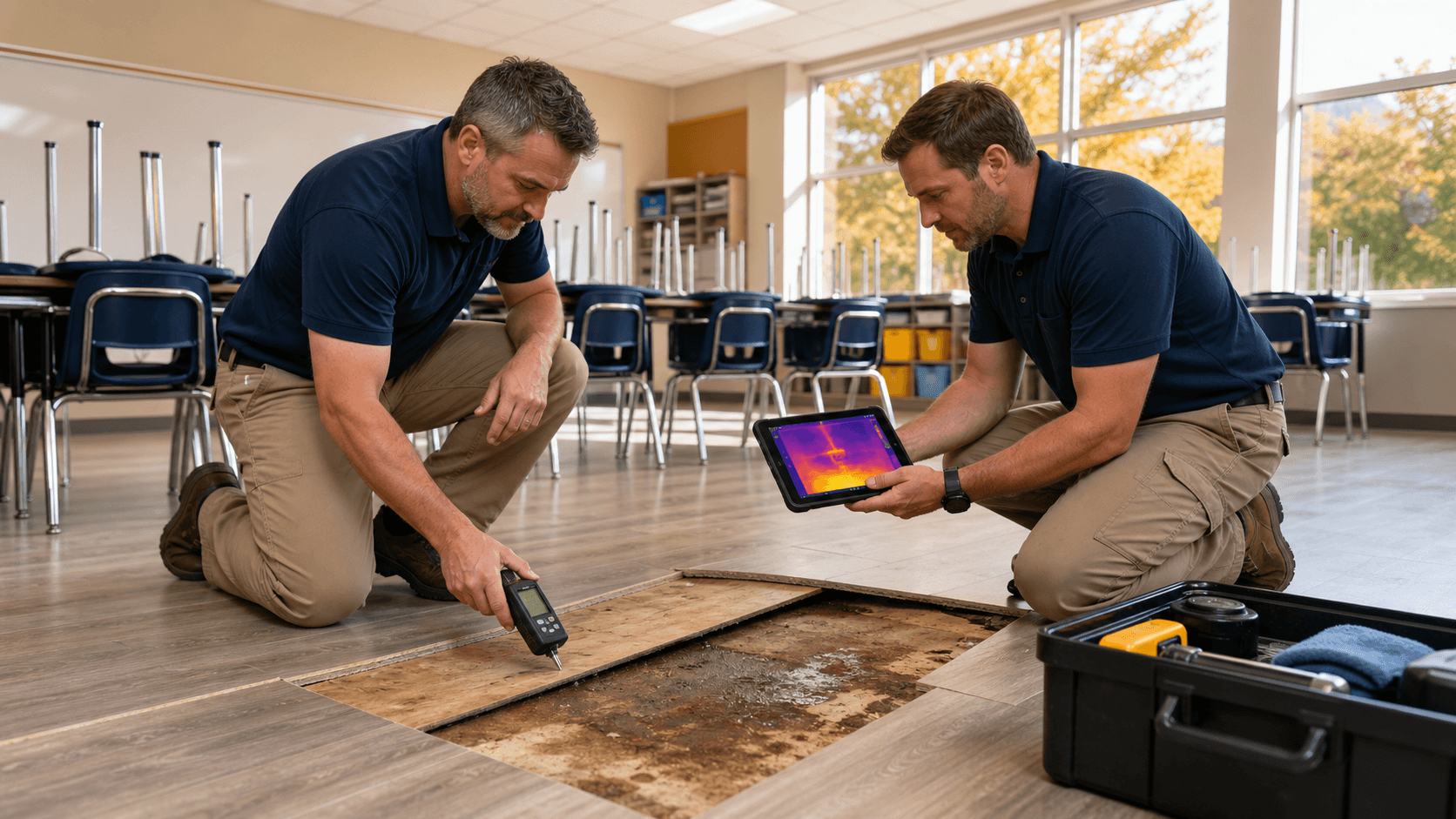
Moisture issues are one of the biggest troublemakers. If the subfloor is holding moisture from older leaks or condensation buildup, it doesn't matter how strong the new flooring is. It's not going to last.
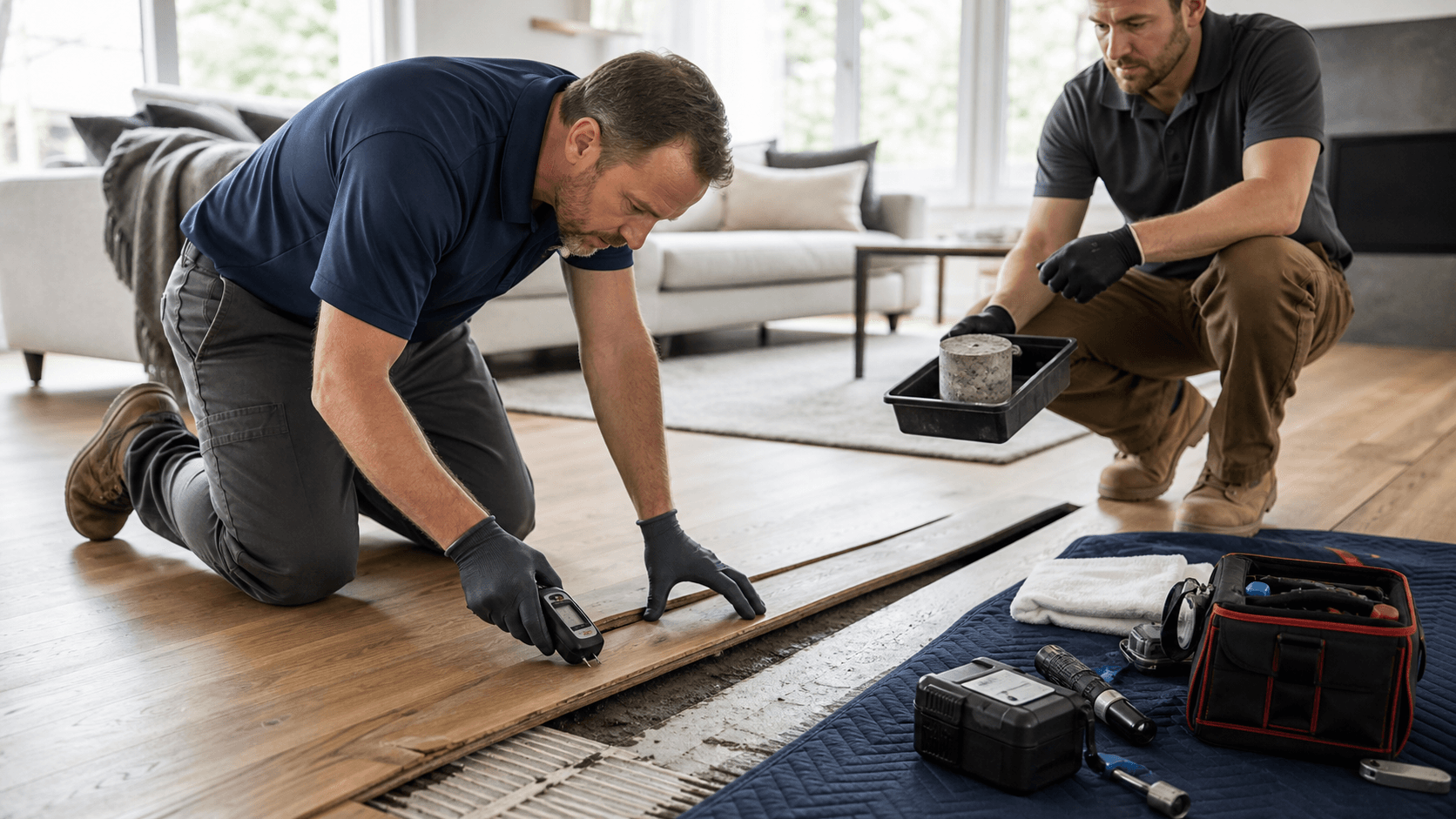
- We use tools that check moisture levels to see if anything is hiding under the surface
- Uneven spots or poorly installed underlayment can lead to premature buckling or creaking
- A full inspection allows time to fix any base problems before new flooring gets put down
- OC Flooring Inspection uses professional-grade testing tools to identify moisture issues and hidden damage in commercial properties
Finding out about damage after renovation starts often leads to delays and budget strain. Spotting it early is a better route.
Using Inspection Results to Plan Smarter
Once we finish inspecting the floor, the report becomes a helpful guide. Instead of guessing, property owners can use the findings to build a more grounded plan. It makes things clearer when weighing repair costs against the budget, or when deciding whether to upgrade or patch.
- Reports help show the gap between the existing floor's condition and the renovation goals
- That makes it easier to figure out if a full tear-out makes sense or if selective fixes are possible
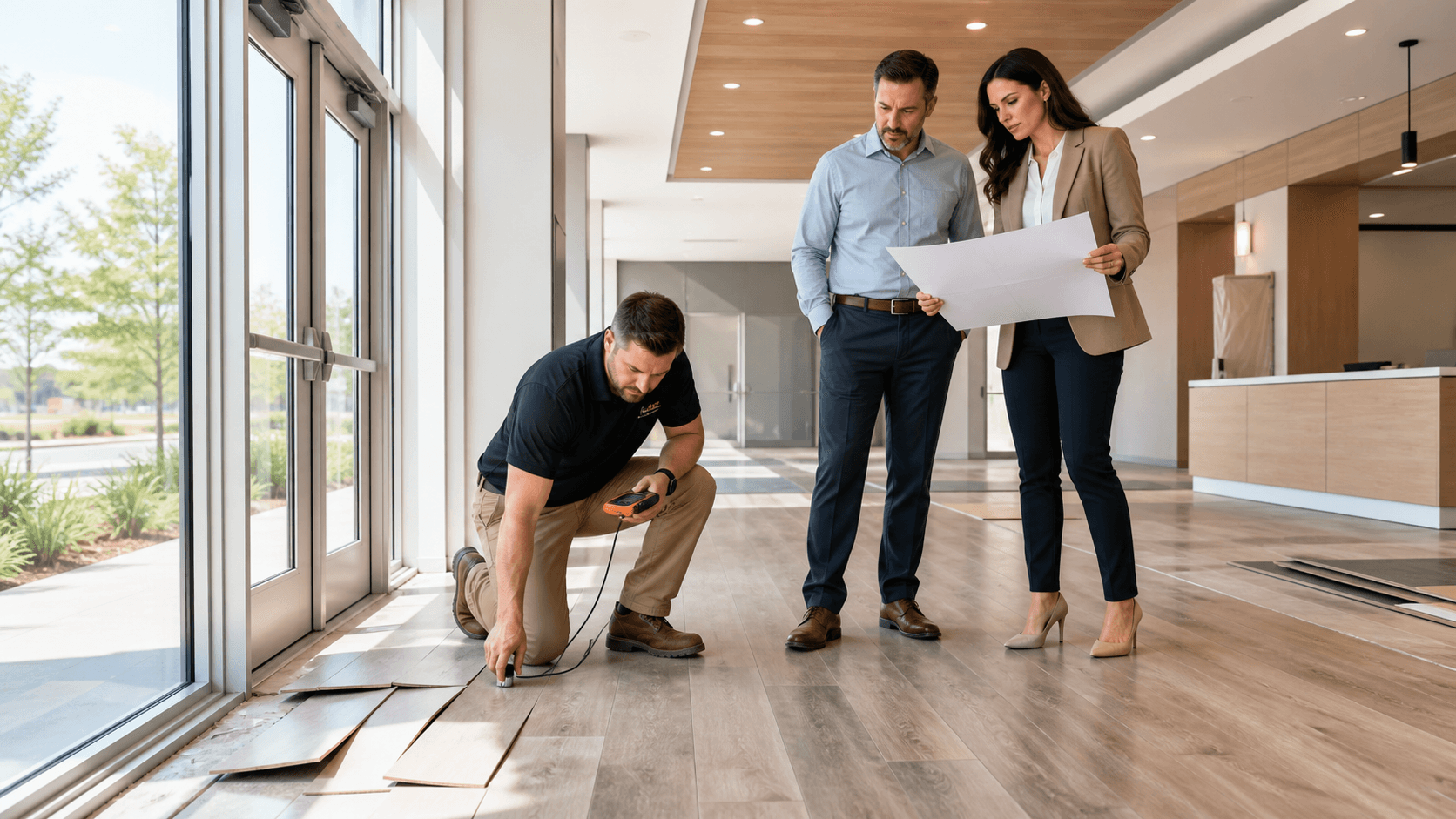
- Having everything written out also makes things smoother when speaking with contractors or landlords about what will be done and when
Materials and labor cost more when changes happen mid-project. An inspection builds a smarter setup for everyone involved, early on.
Saving Time and Trouble During the Renovation Process
Floor renovation tends to move quickly once it starts, but pace doesn't always mean progress. Several projects slow down when irregularities in the floor are discovered after the fact. Then crews stop working, uncover the issue, and start over. What could have wrapped up in a few days now spreads out over weeks.
By front-loading the inspection, we reduce the likelihood of these stops. Planning gets clearer, timelines stay more predictable, and the whole workflow has fewer surprises.
- Projects run smoother when the floor is ready and already cleared of hidden defects
- Mistakes like installing over warped or damp sections are easier to avoid with early inspections
- Plus, having official inspection records can help with permits or building documentation later
The time spent examining the condition beforehand usually saves more time once tools hit the ground.
Smart Renovations Start From the Ground Up
A successful commercial renovation doesn't start with swatches or demo plans. It starts with knowing if the foundation you're building on is steady and ready. A commercial flooring inspection lays that foundation by showing what needs attention before the new work begins. Small flaws caught early can prevent large problems later.
When we understand the use of the space, expected traffic, and how well the current floor is holding up, we can help guide decisions that line up with safety, wear, and function. It might feel like one small step in a bigger project, but it sets the tone for everything that follows. Renovation work is easier when the surface underneath is ready for what comes next.
Planning renovation work in Orange County means understanding what's beneath the surface is just as important as your design plans. At OC Flooring Inspection, we identify surface wear, subfloor issues, and hidden risks early so you can move forward with confidence. A thorough commercial flooring inspection provides insight into what to repair, replace, or prepare for before construction begins. Enjoy fewer setbacks and a smoother project from start to finish, reach out to schedule your inspection today.