Introduction
Getting a new floor installed always feels like a fresh start. But right after the job wraps up, it's a good idea to take a closer look at how everything settled. Not every issue shows up right away, and even the best materials or installers can run into problems if something underneath isn't quite right. That's where a post installation floor inspection comes into play. It's less about second-guessing the work and more about giving yourself peace of mind.
A final check helps catch early signs of trouble before they grow. It's the link between a great-looking floor and one that actually holds up through the busy months ahead. In places like Orange County where summer is often packed with activity, it's smart to get ahead of any flooring issues before shifting into the back-to-school and holiday season.
What Is a Post Installation Floor Inspection
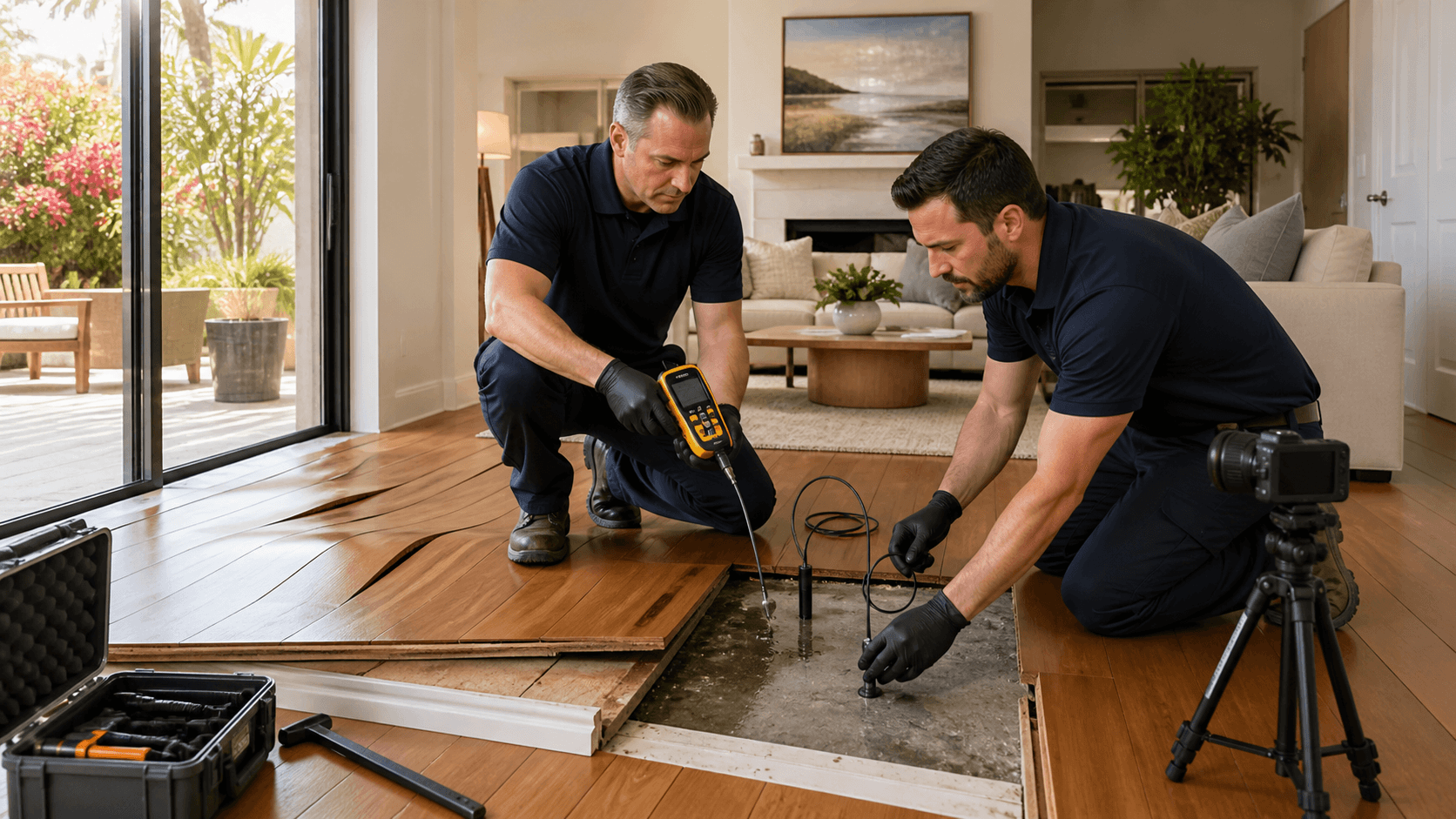
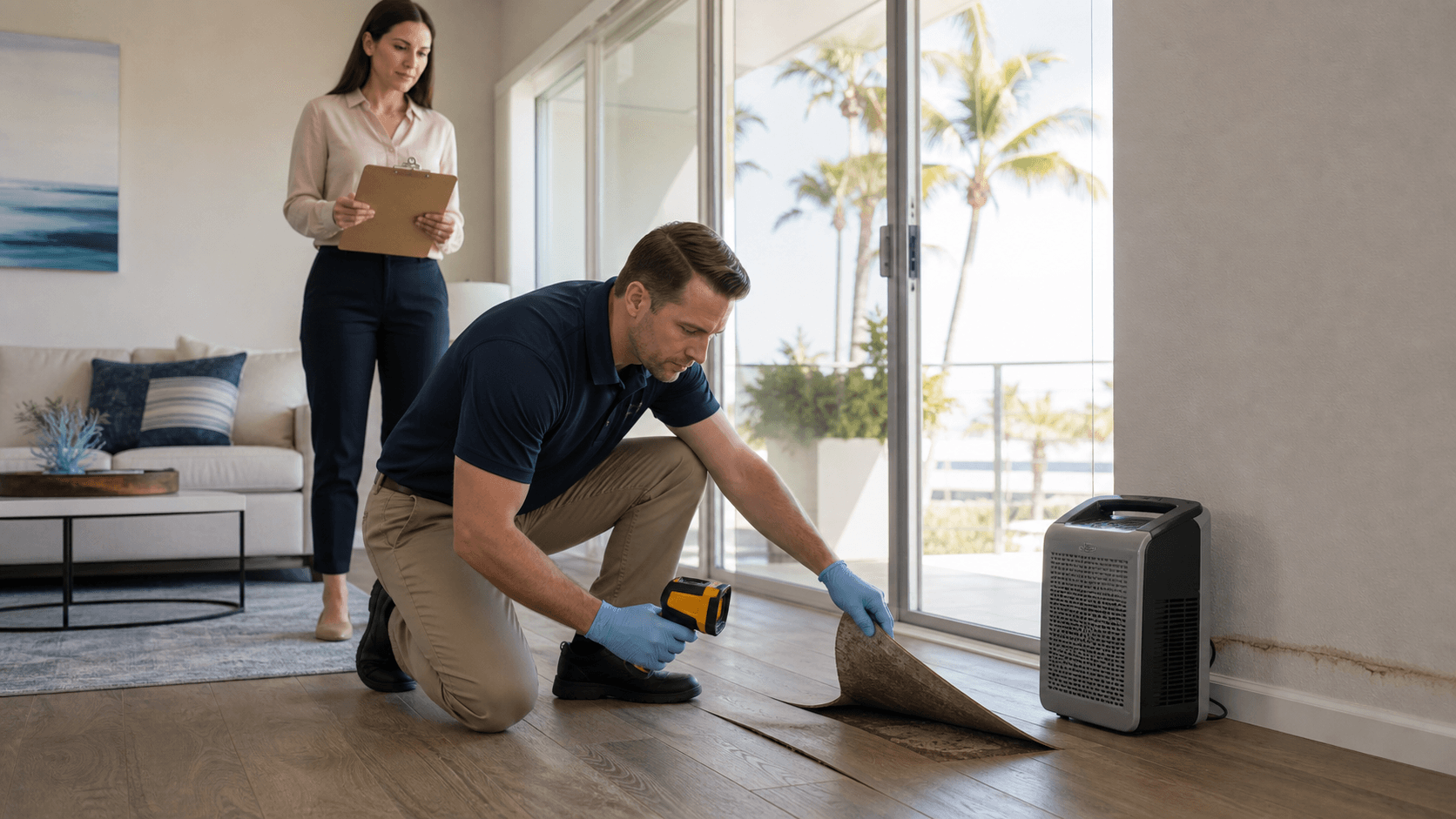
A post installation floor inspection focuses on how the flooring is performing once it's actually in use. We're not just looking at surface appearance, but also what's happening underneath the top layer.
- Inspectors check the visual quality of the floor (are there bubbles, seams, spots that don't look right?)
- We press for firmness and listen for hollow or weak areas that might signal issues with the subfloor
- Most floor types can benefit, including hardwood, LVP, laminate, tile, and sheet vinyl
- OC Flooring Inspection follows California-licensed contractor standards and uses specialized tools to monitor moisture and subfloor condition
There's a big difference between looking good from a distance and feeling solid underfoot. The real inspection work happens when we look past the final coat and into whether the layers below are doing their job.
Common Reasons Floors Fail After Installation
Even with the right flooring choice and a professional install, mistakes during prep or rushed timelines can lead to future flooring problems. Most early floor failures can be traced back to a few common causes.
- Skipping wood acclimation causes hardwood to expand or shrink after install
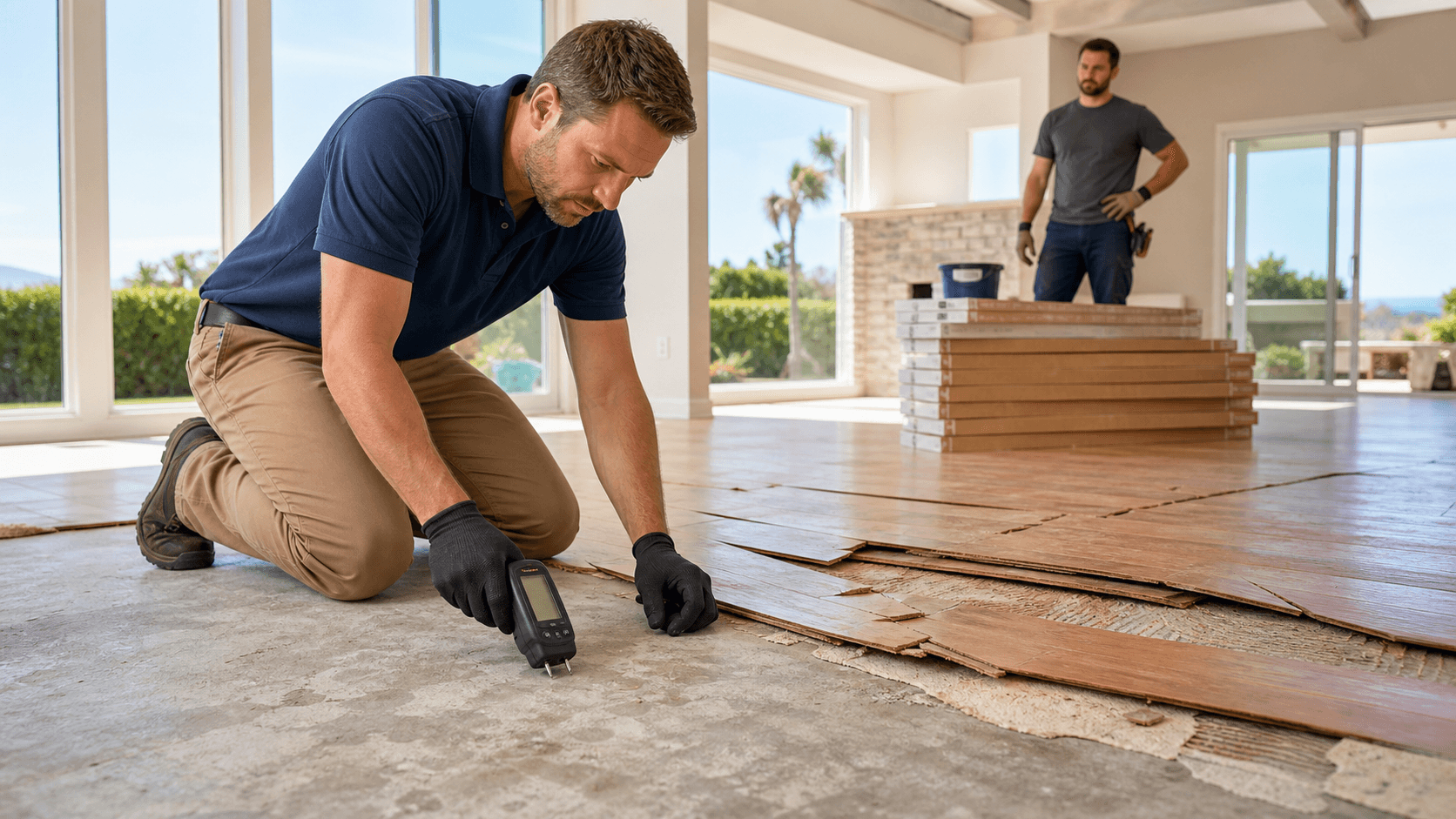
- Wet or damp subfloors create bonding issues and warping in materials like vinyl or laminate
- Using the wrong adhesive for the site conditions leads to tiles that lift or planks that shift
- Rushing the install without checking subfloor flatness or leveling can invite movement or creaking later
All of these start small. We often hear from property owners a few weeks or months in when corners begin to lift or something just doesn't feel sturdy. Many of those issues could've been caught with a check right after install.
What Inspectors Check and Why It Matters
We're checking more than the surface. A proper inspection looks at each step that affects the flooring's long-term hold, comfort, and appearance.
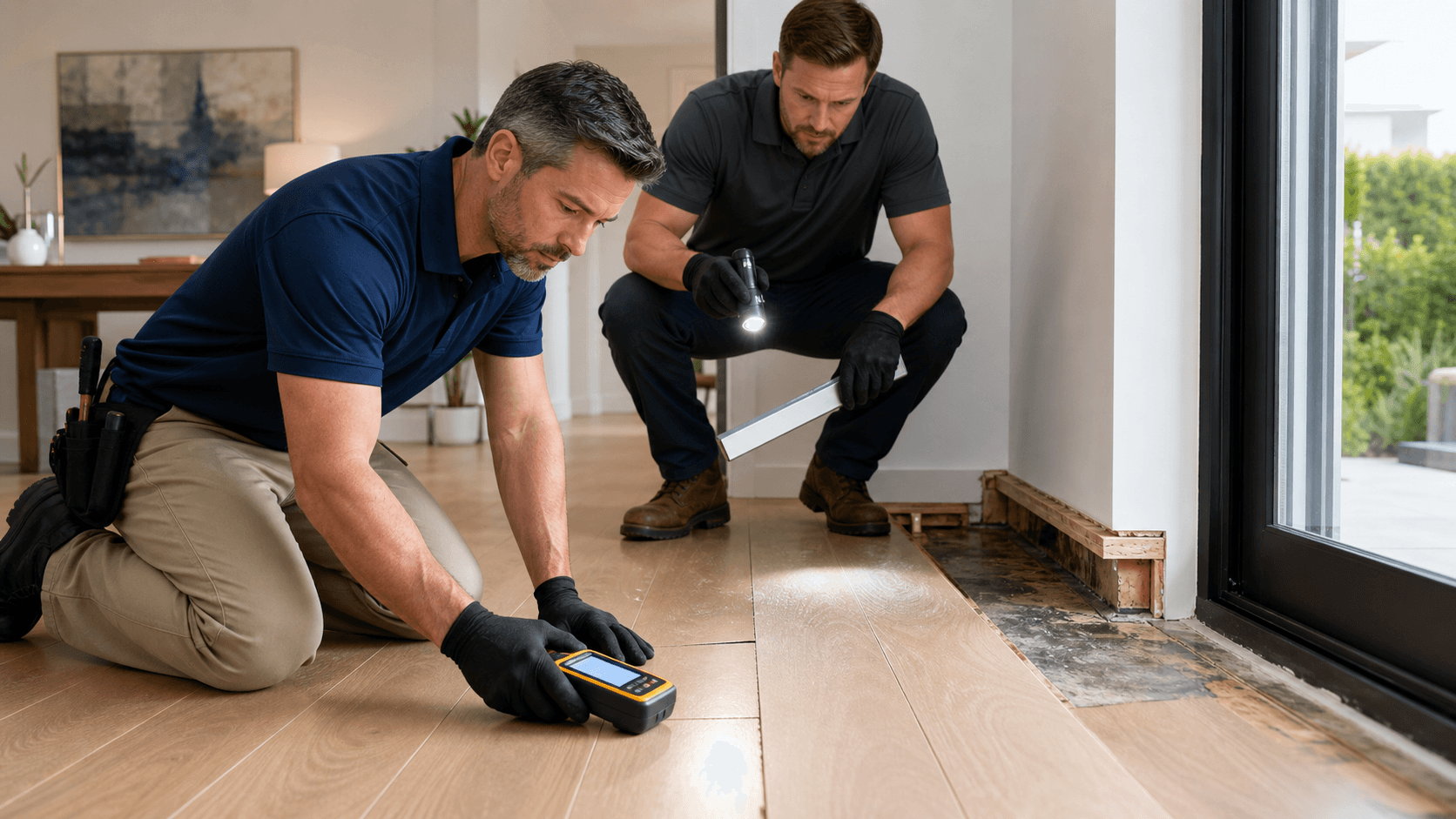
- Surface condition: any visible scratches, bubbles, glue seepage, lipping, or color variation
- Subfloor condition: signs of unevenness or poor bonding, moisture problems, or loose underlayment
- Moisture levels: we test concrete for humidity levels and wood for signs of imbalance
- Our expert reports can be used for builder documentation or property management records to ensure a reliable installation
Each inspection point acts like a guardrail. If we spot a problem early, there's usually a simple fix. Once time passes, those surface issues can turn into joint separation, mold below the floor, or full tile reattachments.
When to Schedule a Floor Inspection
Timing matters. The sooner we can inspect after the install, the better chance we have of making small moves before the floor sees full foot traffic. But we also get called in a few other typical moments.
- Within the first few days to two weeks after the floor is installed
- Before hosting events or adding furniture, especially in large spaces
- When something feels wrong, soft spots, bouncy areas, or slight shifts when walking on it
Since the glue and materials continue to cure in the first week or two, we often wait just long enough for regular use to reveal minor issues. Then we know what to focus on during the inspection.
Who Benefits from These Inspections
There's value in a post installation floor inspection for lots of people, not just homeowners. Whether it's for long-term durability or immediate safety, this extra check protects a wide range of needs.
- Homeowners get peace of mind knowing the install was clean, dry, and well bonded
- Contractors might want third-party confirmation that the floors were finished properly
- Property managers can document that units are move-in ready or safe for tenants
- Business owners may need a check before opening to confirm ADA or workplace floor conditions
- OC Flooring Inspection provides dispute resolution support, making the inspection valuable if there are later disagreements
A faulty floor isn't just a style problem. It can affect comfort, safety, resale value, and peace of mind. Getting eyes on the floor now can help avoid questions later.
Staying Ahead of Floor Problems from the Start
When you catch flooring problems within the first few weeks, repairs are usually quicker and more affordable. Waiting too long could mean pulling up sections or dealing with cosmetic issues tied to deeper flaws, like moisture or bad subfloor contact.
Floors installed in summer may look perfect while the glue cures in warm weather. But by early August, cooling evenings or an increase in foot traffic can start revealing whether anything didn't hold. We've seen small problems become large seasonal ones, especially heading into the fall. With a proper inspection this time of year, the floor has a better shot at staying solid into the next season and beyond.
Finding those issues early means a stronger, smoother floor later. Whether we're working in a busy home or a quiet office, that first walkthrough after an install tells us a lot. And that check helps us protect your flooring long after the last plank goes in.
At OC Flooring Inspection, we know how important it is for your new flooring in Orange County to stand the test of time. Scheduling a few simple checks early can prevent bigger problems as seasons change and foot traffic increases. From hardwood and vinyl to tile, a thorough review right after installation helps maximize your floor's durability. Discover what we focus on during a post installation floor inspection, and connect with us to book your appointment.