Introduction
Southern California summers can mean long, hot days and high humidity. For many homeowners in Orange County, these conditions don't just affect comfort levels, they can quietly impact what's happening underneath your floors. Concrete slabs, which serve as the base of most modern flooring systems, can trap moisture that becomes more active during warmer months. That upward moisture can lead to real problems over time.
This is where concrete moisture testing in Orange County becomes so important. Homeowners dealing with odd wood floor movement or tile lifting may not realize those issues often begin in the concrete sublayer. By checking for moisture early, especially in the summer, it's easier to prevent long-term floor damage before it has a chance to surface.
Understanding How Moisture Behaves in Concrete During Summer
Concrete naturally holds some amount of moisture, even after it's cured. During cooler times of the year, that moisture may sit quietly inside the slab. But during the summer, especially when outdoor humidity rises, that trapped moisture can start moving upwards. The result is an invisible problem that slowly builds pressure beneath your flooring.
Hot temperatures speed up vapor movement within concrete. When surface coatings like tile or engineered wood block evaporation, moisture just sits there, waiting. At the same time, higher humidity around the home can drive moisture back into the concrete, keeping it from drying the way it might during a mild spring season.
Summer drying conditions are unique compared to fall or winter. You might expect more evaporation when the weather's warm, but when high humidity combines with sealed surfaces, drying slows. That balance, between what tries to get out and what's pushed back in, is what makes summer testing so important.
What Homeowners Should Watch for in Hot Weather
Not all flooring problems show up at once. Often, small signs lead to bigger issues over time. Summer heat speeds things up, which is why noticing early changes in your floors can help catch moisture trouble before it spreads.
Some warning signs to watch for include:
- Wood floors that begin to cup or bend at the edges
- Tile or laminate that starts to lift without clear impact
- Soft spots or spongy areas that weren't there just a few weeks ago
Even if the floors look fine initially, any minor shifts could be your first clue that something beneath the surface isn't holding up to the heat. That's especially true if boards begin separating or feel like they've swollen in place. These issues rarely fix themselves, and once visible, the underlying moisture may already have caused damage.
How Concrete Moisture Testing Helps Prevent Long-Term Damage
Checking for moisture before damage appears is one of the most straightforward ways to save time and trouble later. Concrete moisture testing helps identify how much moisture is actually lingering inside the slab and how it's behaving during current seasonal conditions.
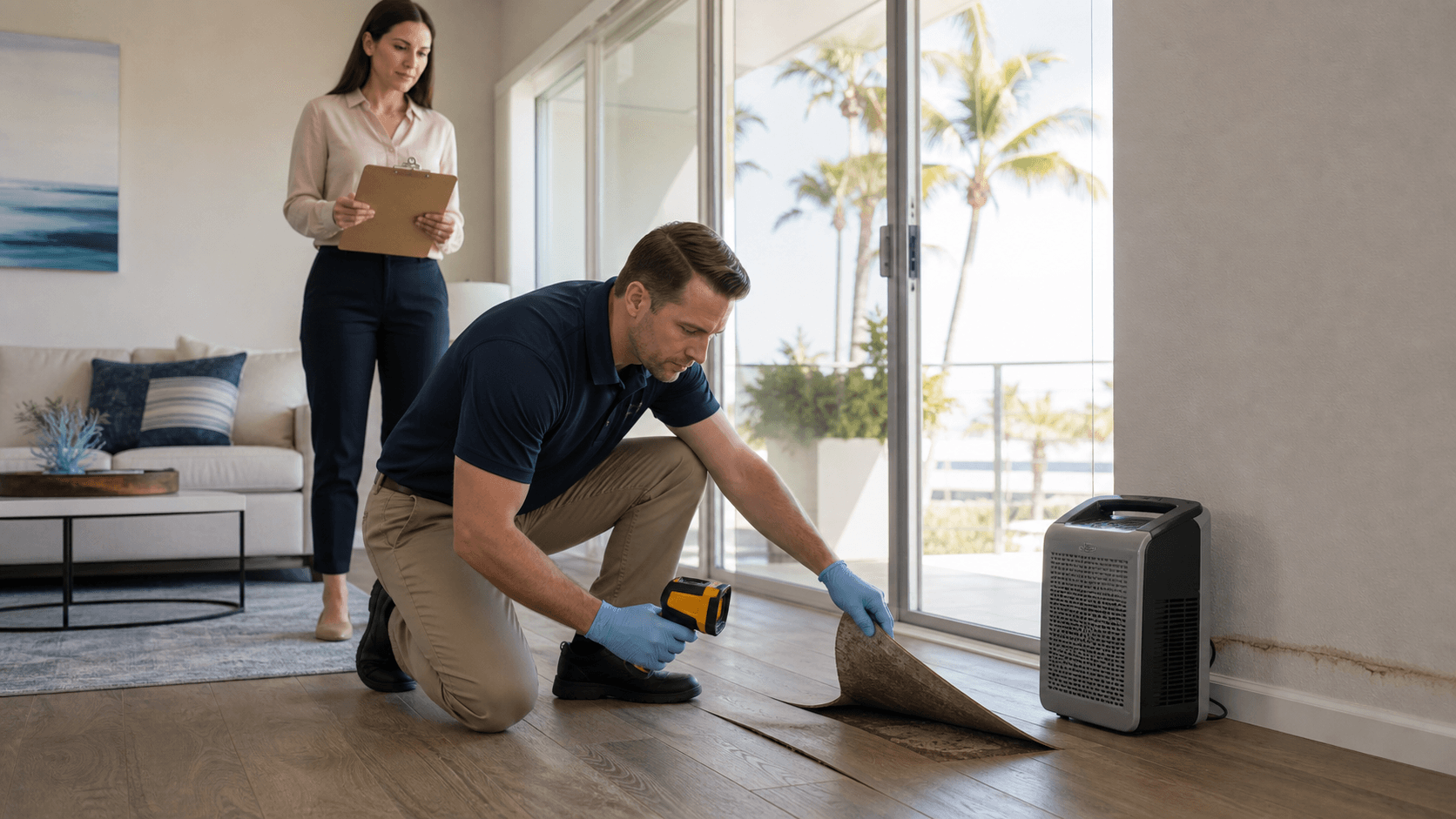
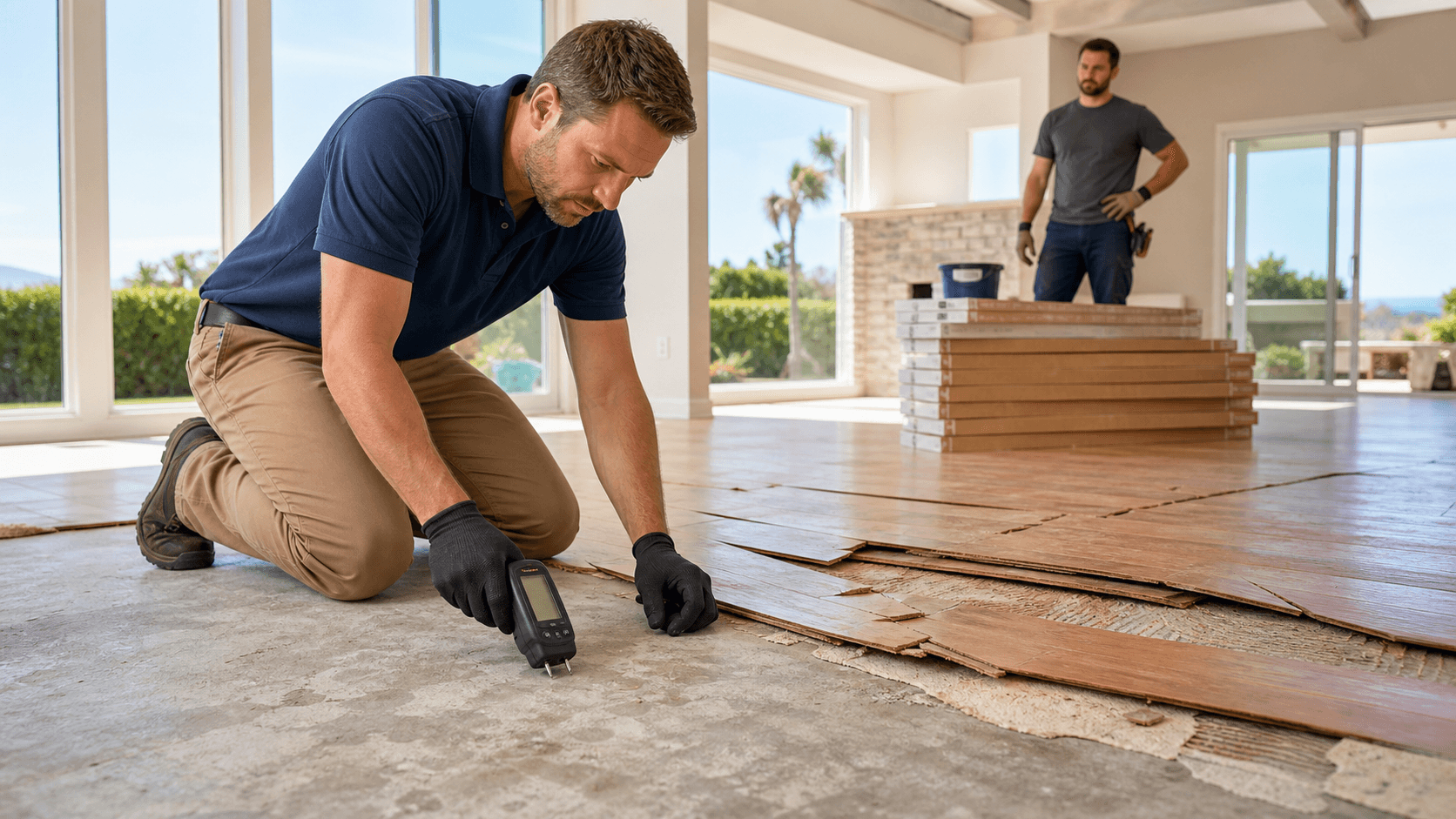
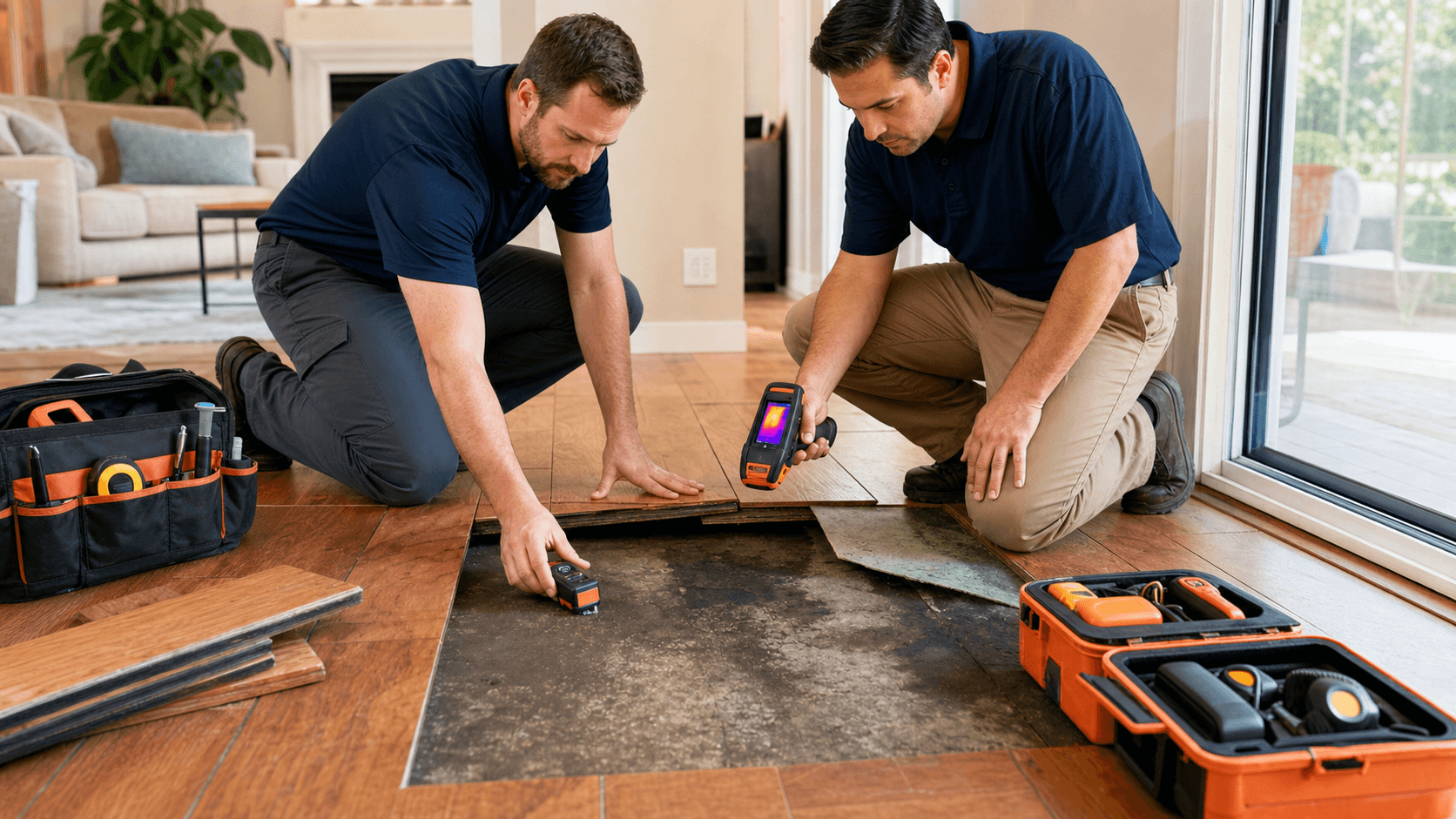
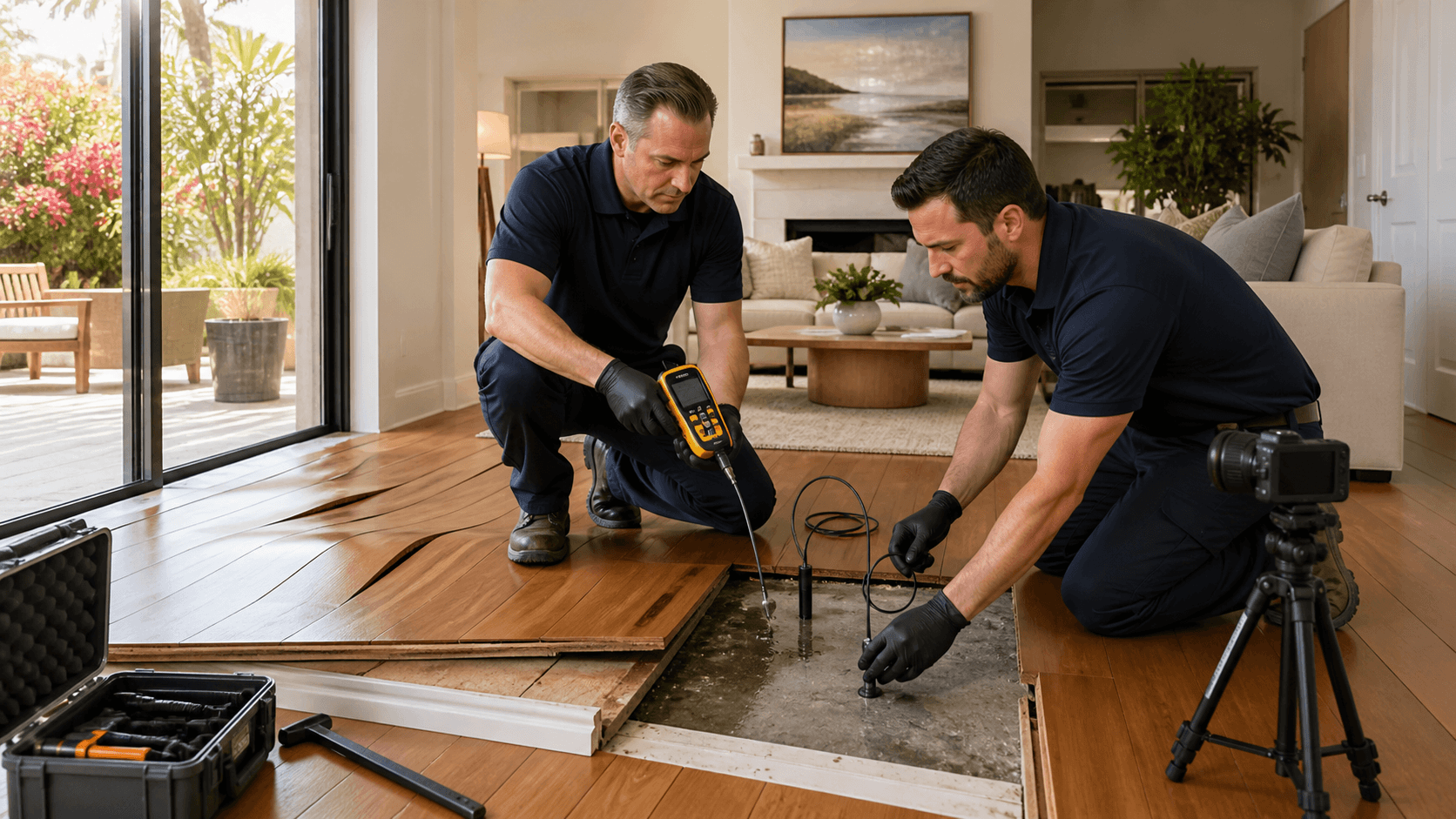
At OC Flooring Inspection, our certified professionals use industry-standard meters and probes to measure vapor emissions and relative humidity inside concrete slabs. These tools go beyond typical pin meters, delivering accurate readings at various slab depths, which is essential for seasonal monitoring.
Accurate readings help separate real issues from cosmetic ones. Instead of guessing where damage may come from, dependable test results set a clear course for what needs attention and what areas are fine. That kind of clarity is hard to get by eye alone, especially during a season when even "normal" behavior changes as heat builds inside homes.
Why Orange County Homes Are Especially at Risk
Orange County's coastal climate brings a tricky mix of warm temperatures and added moisture from the ocean air. While some areas get the dry inland heat, others deal with heavy marine layers that stick around well into the morning. That kind of blend puts added pressure on concrete slabs that are already holding moisture.
Many homes in the region are built on slabs that rest directly on soil. Without basement spaces or crawl areas, flooring systems sit just above ground. That leaves only a thin barrier between soil moisture and home interiors, especially when older construction skipped vapor protection beneath the slab.
We provide comprehensive written reports, often required for insurance, warranty, or legal claims, that detail the specific moisture risks identified in your home. This documentation supports homeowners, contractors, and attorneys in making informed decisions or resolving disputes related to moisture issues.
The mix of coastal humidity and direct ground contact means summertime is when slab moisture becomes its most unpredictable. Testing during these months gives the clearest read on how the environment might be affecting individual homes.
When is the Right Time to Schedule a Moisture Test?
Summer is the best time to get a solid understanding of how your concrete slab reacts to heat and humidity. By the end of July, California homes are deep into seasonal highs. That means moisture activity has peaked, allowing you to test under real stress conditions.
This timing also works well for anyone planning repair or renovation work after summer ends. Whether you're laying new flooring or checking a recent install, knowing your slab's current condition helps prevent new problems from forming under fresh materials.
Moisture testing is also smart to work into home maintenance schedules. If an AC system is struggling or humidity feels higher than usual, that shift often shows up first under your floors. Making it part of your seasonal plan helps avoid reactive fixes down the line.
Protect Your Floors with Professional Testing
Summer might bring sunshine, but for your floors, it can bring uncertainty if moisture gets out of hand. From subtle cupping to sudden changes in tile or laminate fit, the signs of hidden concrete trouble often begin when heat and humidity are at their strongest.
Staying alert during this part of the year gives your home a better shot at avoiding long-term flooring issues. Testing for moisture now lets you catch potential problems before they get worse, saving time, trouble, and unnecessary damage later on. Small steps like this early on can make a big difference in how your floors hold up year after year.
If you're noticing changes in your flooring this summer, it might be time to take a closer look at what's happening underneath. We've seen how temperature shifts and humidity in Orange County can quietly affect what goes on inside your concrete slab. Scheduling a test while the seasonal moisture is at its peak gives us the best chance to catch early signs of trouble. If you're unsure where your home stands, we can help you start with professional concrete moisture testing in Orange County. Contact OC Flooring Inspection to schedule an inspection today.