Introduction
Summer in Orange County is more than sunshine and longer days. For many businesses, it's also a good time to take care of repairs and upgrades while traffic slows just enough for scheduled work to happen without major disruption. Commercial flooring often takes a beating over the year and is one of the first things that shows signs of wear. Before choosing new materials or booking installation dates, a commercial flooring inspection can point out hidden damage that might change the plan.
We've worked with many businesses that start their summer upgrade process with a detailed look beneath their feet. The results often help make better choices, save money long-term, and avoid surprises during renovation. Here's how the inspection reveals what needs work and how to move forward with confidence.
Understanding What the Inspection Reveals
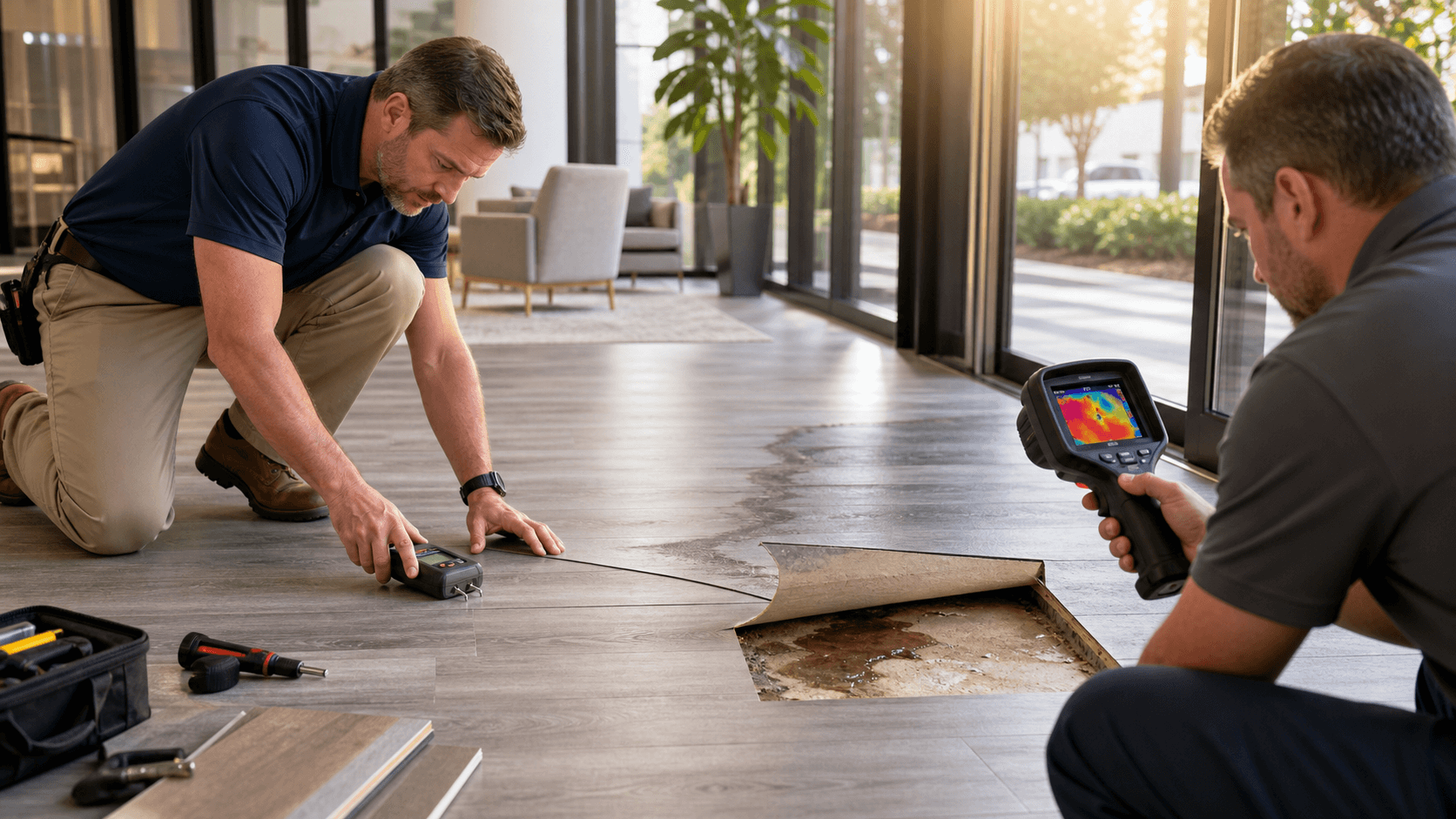
Floors can look fine at a glance but still have deeper issues caused by years of traffic, heavy equipment, or poor installation. A closer inspection gives us answers that visual checks can't.
- We look for cracks in the surface finish and uneven transitions between tiles or planks. These can signal movement underneath.
- We check for signs of water damage, even in dry areas. Spills, leaks, or old cleaning habits can create layers of hidden moisture.
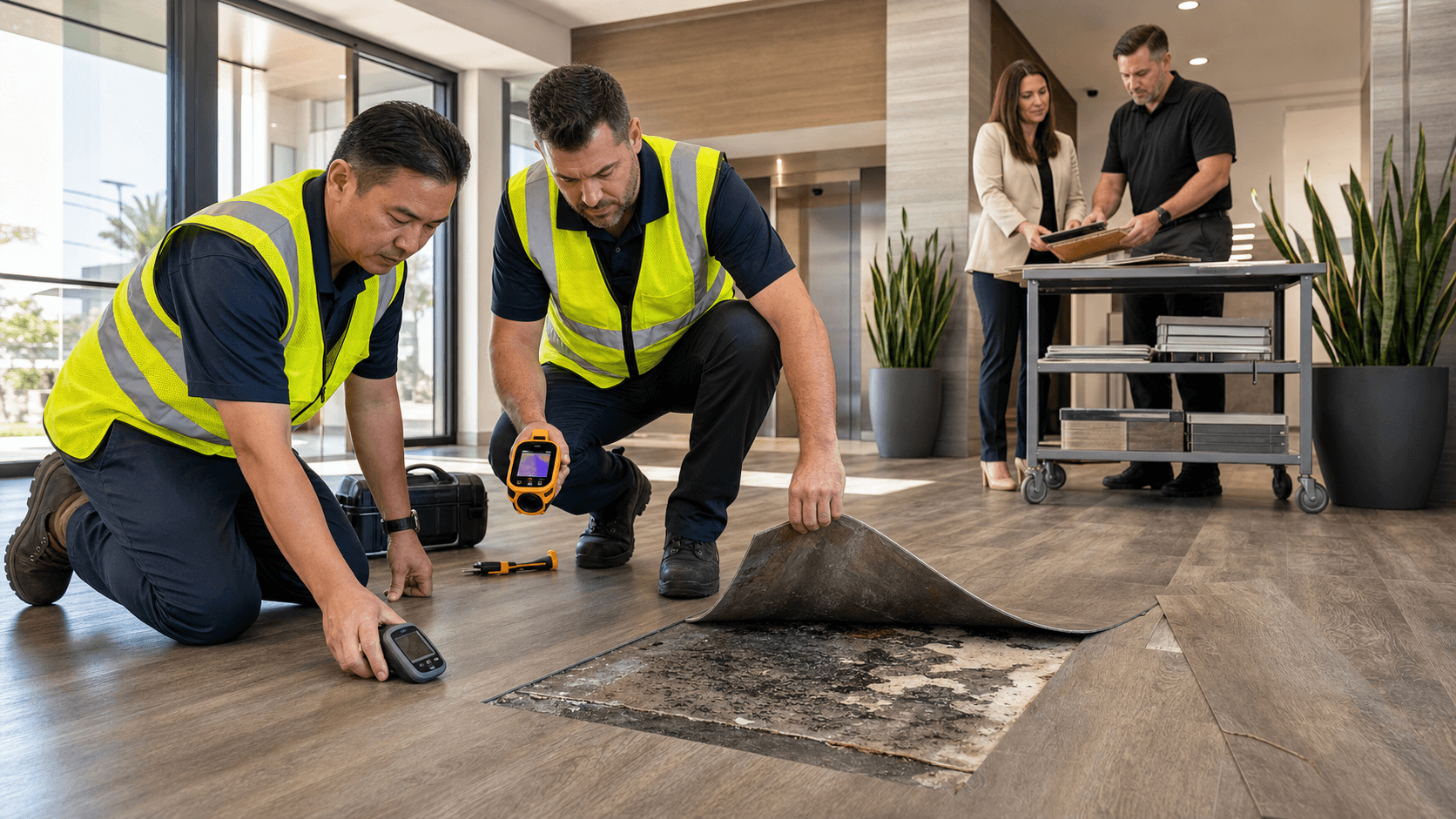
- Subfloor problems may include loose adhesive, swelling from past leaks, or weakening from vibration. These can be difficult to see without special tools.
Every commercial property is different. What we look for in an office might be completely different from what we find in a retail store or cafeteria. But uncovering what's beneath is the most reliable way to avoid repeat problems after renovations are done.
- At OC Flooring Inspection, our certified inspections are trusted by property managers, manufacturers, and attorneys throughout Orange County.
- We provide written reports and dispute resolution support that help businesses make confident upgrade decisions.
When to Upgrade Instead of Repair
It's tempting to patch and fix until things finally give way. But there's a point where the cost, mess, or time of constant repairs outweighs the benefit. We often help business owners decide where that line is.
- If your floor breaks down in the same spots again and again, replacing those materials won't be enough.
- Repairing one area can sometimes push stress into another, causing new problems to pop up later.
- Our inspection can show where surface wear is only part of a bigger pattern, suggesting it's better to change the material or layout altogether.
Reading damage clearly helps with timing too. If the results show fast-spreading issues, it's smarter to schedule a full upgrade soon rather than keep putting it off. Summer often gives the right window to do that work with fewer interruptions to your business.
Choosing the Right Flooring for Commercial Use
Once we know what's causing the trouble, it's easier to look at new materials that fit the space better. Commercial floors need more than just looks, they need to last.
- In busy spaces like lobbies or retail stores, we often recommend harder surfaces with clear slip ratings.
- In areas exposed to liquids or food (like kitchens or break rooms), cleanability matters just as much as durability.
- For office settings with rolling chairs and heavier tables, smooth, impact-resistant flooring holds up best.
Weather in Orange County plays a part too. Summer heat and humidity can change how some adhesives perform or how wood reacts over time. Picking materials that can handle seasonal swings reduces the need for extra maintenance in the months ahead.
In many buildings, traffic flow changes throughout the year. Flooring chosen without these seasonal changes in mind may not perform as intended. We recommend thinking about how your space is used during busy and slow times, not just what looks nice in a sample. This approach helps avoid quick wear and tear.
Some commercial properties may face additional requirements for sound dampening or specific hygiene needs. Considering these requirements early in the material selection phase keeps projects moving forward without costly changes later on. It also means fewer disruptions to your business as adjustments are minimized once installation begins.
Planning the Upgrade with Minimal Disruption
Any flooring job creates mess, noise, and a little chaos, but the right planning helps keep business running. We always help clients think through timing before anything starts.
- Try scheduling during slower business hours or holiday weekends to limit workflow disruption.
- Working out details with inspectors and contractors early can avoid delays once materials arrive.
- Old flooring should come up slowly and carefully. Rushing this step can tear the subfloor or cause new cracks to form around the edges.
If your operation runs year-round, it's possible to complete flooring work in phases. Breaking projects down by area allows business to continue without a full shutdown. We help plan these phases so each area gets the attention it needs while crews stay out of busy zones. This keeps staff and customers safe while the job progresses.
We've seen how skipping careful planning creates more frustration later. The time saved upfront often makes up for itself during cleanup and move-in.
Communication with all stakeholders before the upgrade starts can prevent last-minute confusion. Sharing the schedule with your staff, cleaning crews, and regular visitors sets clear expectations. This way, everyone knows what to expect and can plan around any changes. Simple awareness helps everyone adjust, making the whole process smoother.
Long-Term Payoff of Doing It Right
A clear inspection followed by thoughtful upgrades doesn't just fix today's issues. It makes the whole structure stronger for tomorrow.
- New floors installed on steady, moisture-free surfaces last longer, fewer trips back for fixes.
- Spaces feel safer too. Even surfaces and proper traction reduce slips and lower the chance of damage to items or equipment.
- Working from clear inspection data reduces the risk of wasting money on materials that don't fix the real problem.
If your new floors are based on accurate information about moisture levels, subfloor condition, and how the area is used, they're more likely to hold up over time. That means less hassle, less downtime, and more predictable costs well after the work ends. All of this makes life easier for owners and facility managers who are responsible for keeping things running.
Periodic checks after installation can help spot new issues before they become big problems. Creating a regular inspection habit, especially after major seasons, extends the life of your flooring investment. This process can uncover minor wear or damage before it grows, making future maintenance easier and more affordable.
The process is smoother when nobody has to backtrack or tear up new sections a few weeks later because something hidden was missed.
Smart Floors Start with a Closer Look
Upgrading commercial floors in Orange County is a big decision, and summer often brings the best timing to do it. But the smartest upgrades start with knowledge. A commercial flooring inspection lays the groundwork for everything that follows, knowing what's under the surface changes how we plan, what we pick, and when we move forward.
We've learned that successful flooring projects don't just depend on good materials, they start with better questions. When we take the time to understand what's really going on beneath our feet, we end up with better results above them too.
At OC Flooring Inspection, we know that having the right information leads to smarter decisions when improving business spaces in Orange County. Scheduling a commercial flooring inspection before ordering materials or starting a project allows us to find existing issues, check moisture levels, and understand what's happening beneath the surface. Planning a summer update? Give us a call and let's see exactly what your floor needs to support your business goals.